






Metabolic Boost Explained
Prolonged calorie restriction can trick your body into conserving energy, leading to a metabolic slowdown. This adaptation can manifest as increased hunger,
reduced energy, and waning motivation. A planned higher-calorie indulgence, or 'cheat meal,' can temporarily counteract these effects. Specifically, it can help to elevate levels of leptin, a crucial hormone that signals satiety and regulates energy expenditure. By preventing drastic drops in leptin, this strategic meal can help your body perceive the dieting phase as less of a threat, thus maintaining a healthier metabolic rate and keeping you feeling more energized and motivated towards your fat loss objectives. It's about creating a perceived abundance that reassures your system, making the overall process more efficient and less taxing.
Combating Diet Fatigue
Strict dietary regimes often foster a sense of restriction, which paradoxically amplifies cravings for forbidden foods. The more you deny yourself certain pleasures, the more intensely you might desire them, potentially leading to uncontrolled overeating or binge episodes. Introducing a planned cheat meal serves as a controlled release valve for these suppressed desires. By allowing yourself a specific, enjoyable indulgence at a predetermined time, you satisfy those cravings in a manageable way. This proactive approach significantly reduces the likelihood of impulsive, unhealthy eating that can derail your progress. It transforms the concept of restriction into one of balanced enjoyment, making the entire weight loss journey feel less like a deprivation and more like a sustainable lifestyle change.
Digestive Adaptability
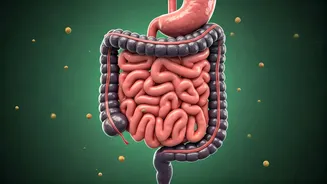
Adhering to an overly rigid eating pattern can, over time, sensitize your digestive system. This means your gut might become less resilient or more reactive to certain foods when you eventually reintroduce them. An occasional, carefully planned meal that deviates from strict norms can help maintain digestive flexibility. By incorporating a 'cheat meal' periodically, you expose your digestive tract to a wider variety of foods, preventing it from becoming overly specialized or sensitive. This keeps your gut more adaptable and robust, ensuring that enjoying a broader range of culinary experiences doesn't lead to significant digestive discomfort or disruptions. It's a way to keep your internal processes resilient without compromising your health goals.
The Crucial Rule
The effectiveness of a cheat meal hinges entirely on its definition: it must be a single meal, not an extended period of unrestricted eating. The temptation to expand this into an entire cheat day or even a whole weekend is a common pitfall that can negate all the calorie deficits painstakingly achieved throughout the week. Consuming multiple indulgent meals in succession can easily overwhelm the calorie balance you’ve worked hard to create, essentially undoing your progress. Therefore, the key to leveraging the benefits of a cheat meal lies in precise execution – one meal, thoughtfully planned and enjoyed, followed by a swift return to your regular healthy eating pattern. This distinction is vital for ensuring that the indulgence serves as a strategic tool rather than an obstacle.