

Festive Halwa Choices
As Easter approaches, considering a traditional Indian dessert like halwa offers a delightful and wholesome alternative to typical sweets. Two popular
options that grace festive tables are Khas Khas Halwa (Poppy Seed Halwa) and Walnut Halwa. Both are crafted to feel special, decadent, and are perfect for sharing with loved ones. While both are rich and flavourful, they originate from different primary ingredients, offering distinct culinary experiences and nutritional advantages. This exploration aims to guide you in choosing the ideal halwa to complement your Easter celebrations, focusing on their unique characteristics and how they can be prepared to be both indulgent and health-conscious.
Khas Khas Halwa: Creamy & Gentle
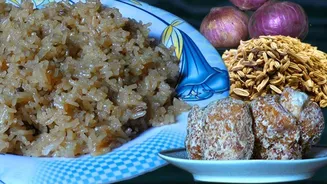
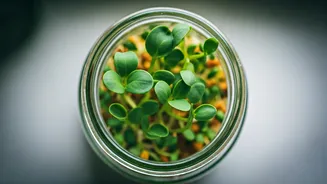
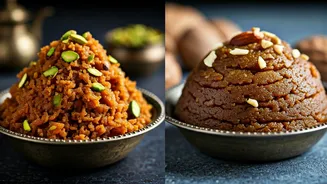
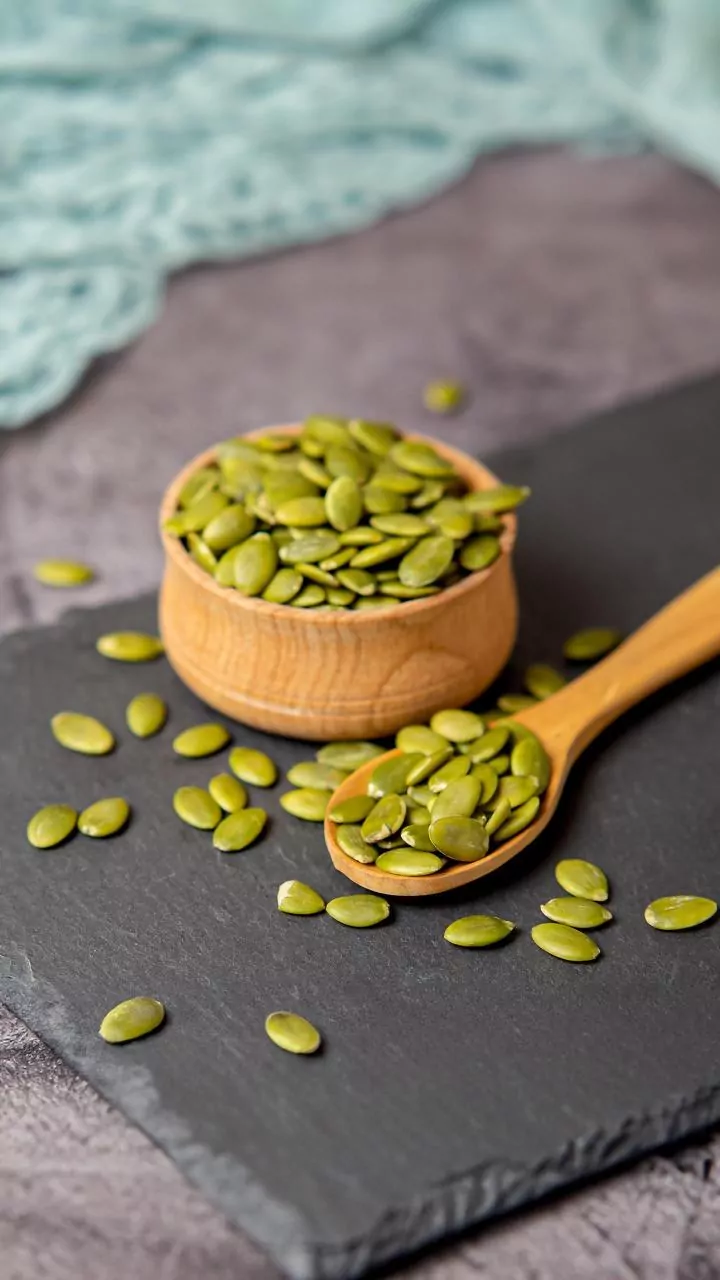
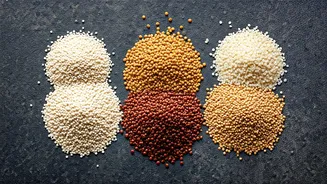
Khas Khas Ka Halwa, made from poppy seeds, is celebrated for its exceptionally smooth, creamy consistency and a subtle, delicate nutty essence that makes it a gentle yet satisfying sweet. Poppy seeds, the star ingredient, are not only foundational to its texture but also a powerhouse of nutrients. They are a remarkable source of calcium, vital for bone health, and iron, crucial for energy levels and preventing anemia. Furthermore, poppy seeds contain beneficial dietary fiber, aiding digestion, and contribute healthy fats. When preparing this halwa, a common method involves soaking the poppy seeds for several hours, then grinding them into a fine paste, often with a small amount of milk. This paste is then cooked with ghee and milk until it thickens. To enhance its sweetness and nutritional profile without refined sugar, natural sweeteners like jaggery powder or dates are frequently incorporated, along with aromatic cardamom powder. Garnish with chopped almonds or pistachios adds a delightful textural contrast and additional nutritional benefits. This halwa’s mild flavour profile makes it an excellent choice for those who prefer less assertive tastes, and it’s often considered a comforting option for children.
Walnut Halwa: Bold & Hearty
Walnut Halwa presents a more robust and distinct flavor profile, characterized by the rich, earthy notes of walnuts and a slightly coarser, more textured mouthfeel compared to its poppy seed counterpart. Walnuts themselves are lauded for their significant health benefits, particularly their high content of omega-3 fatty acids, which are renowned for their cardiovascular advantages and anti-inflammatory properties. They also provide plant-based protein and antioxidants that support overall well-being. Preparing Walnut Halwa typically involves soaking walnuts to soften them, followed by grinding them into a coarse paste, often blended with a little milk. This paste is then carefully cooked in ghee until its raw aroma dissipates. The addition of milk helps create a luscious, thick consistency. Natural sweetness is often introduced through chopped dates, which melt into the halwa, imparting their inherent sugars and a touch of iron, while also contributing to the dessert’s richness. Cardamom powder is a common addition for its fragrance, and the halwa is cooked until it thickens and begins to pull away from the sides of the pan. Garnishing with chopped pistachios enhances both its visual appeal and nutritional value. Walnut halwa is a fantastic option for those who appreciate a more pronounced nutty taste and a satisfyingly substantial texture in their sweets.
Healthier Preparations
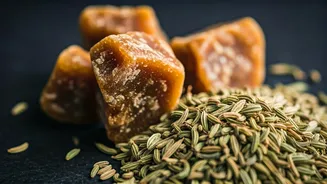
Both Khas Khas Halwa and Walnut Halwa can be transformed into lighter, healthier versions without sacrificing their delightful taste and texture, making them ideal for conscious indulgence during festive occasions. The key lies in mindful ingredient selection and preparation techniques. Reducing the amount of ghee used is a primary step, as ghee, while contributing to flavor and texture, is calorie-dense. Opting for low-fat milk instead of full-fat milk also significantly cuts down on saturated fats and calories. Furthermore, replacing refined sugar with natural sweeteners is a widely adopted and beneficial practice. Dates are an excellent choice, providing natural sweetness along with essential minerals like iron and fiber. Jaggery powder is another fantastic alternative; it's less processed than white sugar and retains some of the molasses' nutrients, including iron and magnesium. Coconut sugar can also be used. These adjustments ensure that the halwa remains rich and satisfying while offering enhanced nutritional benefits, making them more suitable for everyday enjoyment or as a guilt-free festive treat.