





Turmeric's Anti-Inflammatory Power
Turmeric, a spice popular in Indian cuisine, is packed with curcumin, a compound known for its strong anti-inflammatory properties. Curcumin acts as a potent
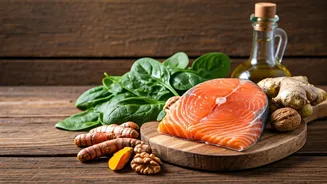
antioxidant, neutralizing harmful free radicals that contribute to inflammation. Studies suggest that turmeric can help alleviate symptoms of conditions like arthritis. To incorporate turmeric, consider adding it to curries, stews, or smoothies. Combining turmeric with black pepper enhances curcumin absorption, making it even more effective. Additionally, turmeric supplements are available, but always consult a healthcare professional before starting any new supplement regimen. Remember that consistency is key; regular consumption can lead to noticeable improvements over time. Using turmeric not only adds a warm, earthy flavor to your dishes but also promotes overall wellness by combating internal inflammation, crucial for maintaining optimal health.
Ginger's Soothing Effect
Ginger, another common spice, offers significant anti-inflammatory benefits. It contains gingerol, a compound with potent antioxidant and anti-inflammatory properties. Ginger can help reduce pain and inflammation associated with conditions such as osteoarthritis and muscle soreness. To harness ginger's benefits, include it in various forms, such as fresh ginger root, ginger powder, or ginger tea. Fresh ginger can be grated into stir-fries, soups, or even infused in hot water for a refreshing beverage. Ginger supplements are also available. Regular ginger consumption can improve digestion and reduce nausea, enhancing overall well-being. By integrating ginger into your diet, you provide your body with a natural remedy that addresses inflammation, contributing to a healthier and more comfortable lifestyle.
Leafy Greens' Nutritional Boost
Leafy greens, like spinach, kale, and collard greens, are packed with vitamins, minerals, and antioxidants that help reduce inflammation. These vegetables are rich in vitamin K, which plays a crucial role in reducing inflammation. They also contain antioxidants that fight against free radicals, protecting cells from damage. Incorporate these greens into salads, smoothies, or sautéed dishes. Their versatility makes them easy to include in any meal. Regular consumption of leafy greens supports overall health by providing essential nutrients and helping to combat inflammatory responses. By making leafy greens a staple in your diet, you provide your body with the building blocks it needs to function optimally and reduce the risk of chronic diseases linked to inflammation. Choosing a variety of leafy greens ensures a broad spectrum of nutrients for comprehensive health benefits.
Fatty Fish's Omega-3 Benefits
Fatty fish, such as salmon, mackerel, and sardines, are excellent sources of omega-3 fatty acids, which are potent anti-inflammatory agents. Omega-3s help reduce inflammation by interfering with inflammatory pathways in the body. They are particularly beneficial for heart health and can reduce the risk of chronic diseases. Aim to consume fatty fish at least twice a week. You can bake, grill, or pan-fry these fish for delicious and healthy meals. Omega-3s support brain function and promote overall cardiovascular health, making fatty fish a vital part of an anti-inflammatory diet. Ensuring a regular intake of fatty fish is an effective strategy for managing inflammation and enhancing your overall health, offering multiple health benefits, including improved mental clarity and reduced risk of heart disease. Regular consumption provides sustained improvements.
Walnuts' Nutrient Power
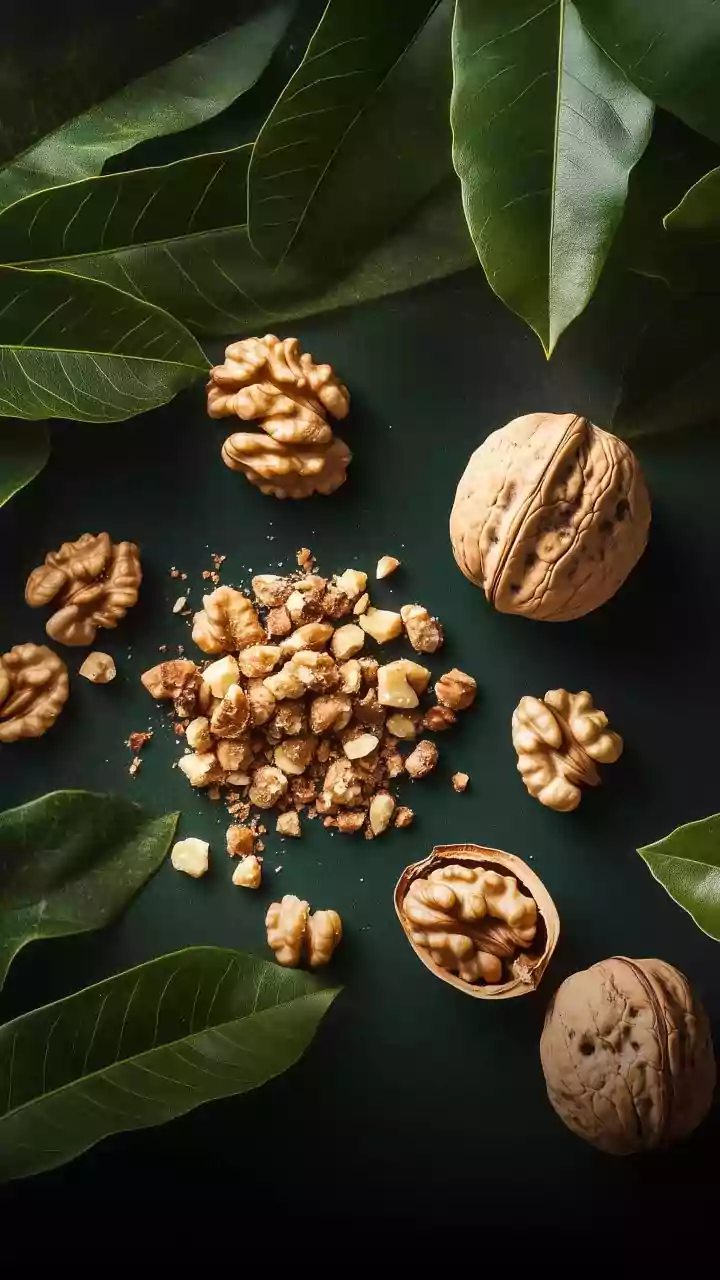
Walnuts are rich in omega-3 fatty acids, antioxidants, and other nutrients that contribute to reducing inflammation. They contain alpha-linolenic acid (ALA), a type of omega-3 that the body converts into other beneficial omega-3s. Walnuts also provide important nutrients like magnesium and arginine, which help regulate inflammatory processes. Include a handful of walnuts in your daily diet. They can be added to salads, oatmeal, or enjoyed as a snack. Opting for raw walnuts without added salt or flavors is best. Their inclusion in your diet improves cardiovascular health and helps manage inflammatory responses. Consistent walnut consumption contributes significantly to overall well-being by reducing inflammation and supporting numerous bodily functions. Enjoying walnuts regularly enhances your diet and promotes long-term health.
Olive Oil's Anti-Inflammatory Role
Extra virgin olive oil (EVOO) is a cornerstone of the Mediterranean diet and a powerful anti-inflammatory food. It is rich in oleocanthal, a compound with similar anti-inflammatory properties to ibuprofen. EVOO helps reduce inflammation and is associated with a lower risk of chronic diseases. Use EVOO as a cooking oil, salad dressing, or drizzle it over vegetables. Choosing high-quality, extra virgin olive oil is crucial. Its antioxidants further enhance the anti-inflammatory effects. Incorporating EVOO regularly into your diet supports heart health, improves cholesterol levels, and helps reduce inflammation throughout the body. Using olive oil provides a tasty way to improve your health while adding a rich flavor to your meals. By making it a daily part of your diet, you can significantly enhance your health and well-being.