





Litti Chokha's Rise
Originating in the rural heartlands of Bihar and eastern Uttar Pradesh, Litti Chokha was a cornerstone of sustenance for farmers and labourers. This humble
dish, featuring wheat balls stuffed with sattu and roasted over open fires, traditionally accompanied by mashed roasted eggplant or potatoes, offered pure nourishment with a distinct smoky aroma. Today, this rustic preparation has found its way into metropolitan dining establishments, where it's lavishly enriched with ghee and artfully presented on polished platters. The natural smokiness, once a byproduct of wood-fired cooking, is now a marketed feature, lauded as an authentic artisanal flavour, showcasing its remarkable transition from necessity to a gourmet experience.
Dal Makhani's Luxury
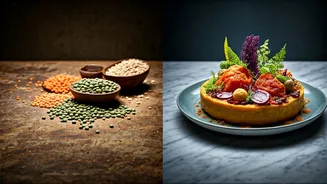
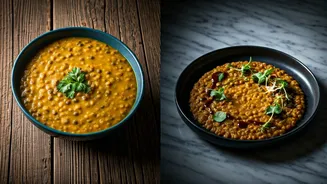
Dal Makhani, a staple in North Indian restaurants, boasts a history far more grounded than its current opulent status suggests. Initially, it was a nourishing meal for hardworking families, slow-cooked overnight using whole urad dal and rajma to maximize protein. The dish's transformation into a luxurious comfort food occurred within Delhi's evolving restaurant scene, where generous additions of butter and cream elevated its richness. Now, often advertised as '12-hour slow-cooked,' Dal Makhani has transcended its frugal beginnings to become a symbol of indulgence and refined palates, far removed from its original simple origins.
Khichdi's Reinvention
For a considerable period, Khichdi laboured under the perception of being merely 'food for the sick.' This straightforward preparation of rice and lentils, seasoned minimally with turmeric and salt, was the epitome of pure comfort food. However, in the age of wellness trends, Khichdi has been revitalized, rebranded as a 'detox meal' and a 'one-pot nutrition bowl.' Upscale eateries now adorn it with truffle oil, exotic vegetables, and a delicate drizzle of ghee, often commanding prices that contrast sharply with the modest households where it first gained popularity, highlighting its significant gastronomic elevation.
Ragi Mudde's Supergrain Status
In Karnataka, Ragi Mudde once served as the primary energy source for agricultural communities and labourers. Its affordability, filling nature, and high nutritional content made it a daily staple in many households. With a growing emphasis on millets and crops resilient to climate change, ragi has been repositioned as a 'supergrain.' Contemporary urban cafes now promote ragi-based dishes as calcium-rich and gluten-free alternatives, effectively placing this once-humble grain at the forefront of India's burgeoning health food movement, a testament to its newfound premium appeal.
Sarson ka Saag Makeover
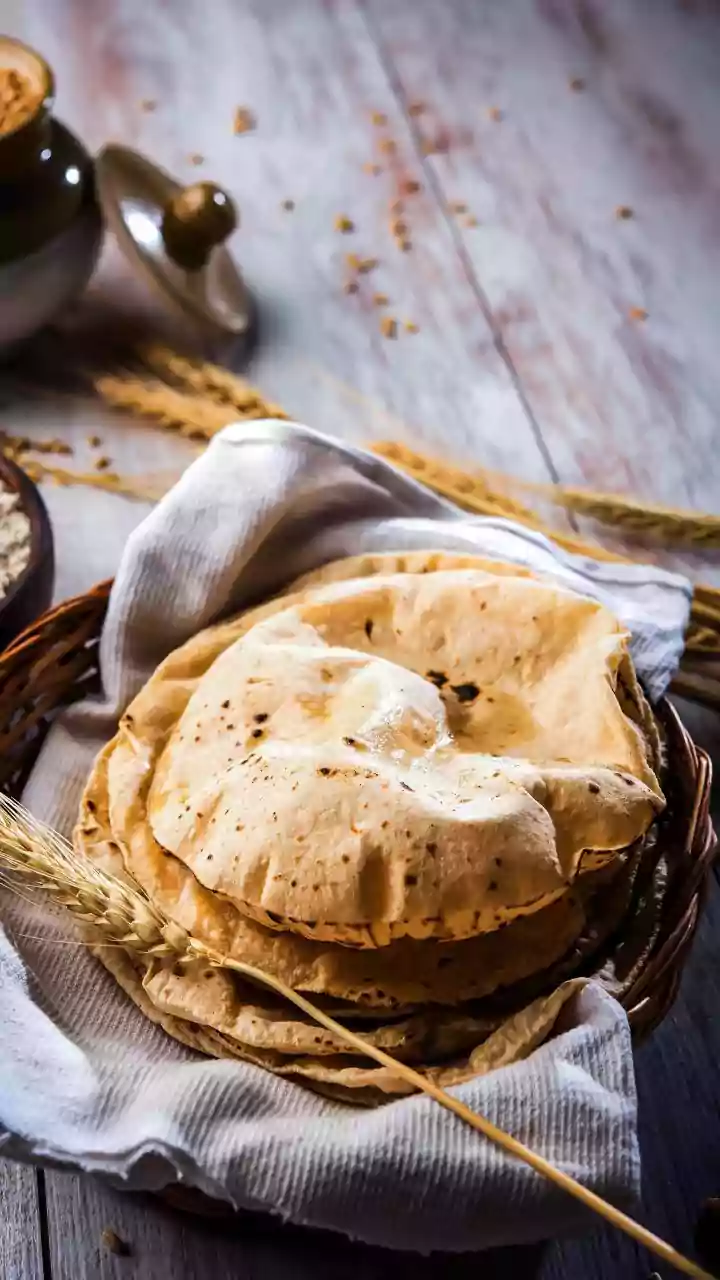
A cherished winter dish in Punjabi homes, Sarson ka Saag accompanied by Makki di Roti was traditionally a seasonal, home-cooked meal crafted from fresh mustard greens and hand-rolled corn flour flatbreads. The dish’s evolution has seen it presented in high-end restaurants as a premium offering, generously topped with dollops of white butter and styled to evoke a sense of rustic nostalgia. What was once a simple, everyday meal, taken for granted for its wholesome goodness, has now become its most powerful and marketable attribute in the gourmet sphere.
Pakhala Bhata's Health Appeal
In Odisha, Pakhala Bhata offered a practical solution for beating the summer heat: leftover rice softened in water and allowed to ferment gently. This dish required no refrigeration and relied solely on traditional culinary wisdom passed down through generations. With the increasing public awareness regarding probiotics and gut health, Pakhala Bhata is now celebrated as a fermented rice bowl packed with natural benefits. What was once a simple necessity for survival has transformed into a subject of nutritional discussion and culinary appreciation.
Misal Pav's Gourmet Spin
Misal Pav initially emerged as an accessible and spicy breakfast option for the working class and students in Maharashtra. This flavourful preparation of sprouted lentils in a fiery gravy, topped with crunchy farsan and served with soft pav, provided a hearty and filling meal. The dish is now sophisticatedly marketed through distinct city-specific branding like Kolhapuri and Puneri, featuring carefully curated 'spice level experiences' and gourmet adaptations that are redefining its identity for a more discerning clientele.
Kanji Vada's Revival
Traditionally prepared during festivals in certain parts of North India, Kanji Vada comprised lentil dumplings immersed in fermented mustard water, offering a unique seasonal delicacy that could be stored without refrigeration. Amidst a resurgence of interest in fermented foods, this dish has reappeared at food festivals and curated dining events, where it's lauded for its probiotic qualities. This re-emergence highlights a renewed appreciation for traditional fermented preparations and their potential health benefits.
Bajra Roti's Conscious Choice
In the arid terrains of Rajasthan and Gujarat, Bajra Roti was a daily staple, a resilient grain that thrived with minimal water and paired perfectly with simple accompaniments. As discussions around sustainability and climate-resilient agriculture gain prominence, bajra has earned a distinguished place on upscale millet-focused menus. What once symbolized survival in challenging dry landscapes is now actively promoted as a conscious and highly nutritious dietary choice, reflecting a significant shift in its perceived value and market positioning.