
FDI Set to Soar
India's economic outlook for 2026 anticipates a substantial surge in foreign direct investment (FDI), fueled by key drivers and strategic investments.
This inflow of capital is expected to significantly boost the nation's economic growth. The anticipation around the growth points to a favorable investment climate, with initiatives designed to attract global investors. This trend reflects the country's rising prominence in the global economic landscape and its potential to become a major hub for international investment. The government's policies play a crucial role in creating a conducive environment for FDI, encouraging sectors like infrastructure, technology, and manufacturing. This influx of capital supports job creation, technological advancements, and overall economic expansion.
Small Business Credit
The small business sector in India continues to gain momentum, with credit extended to these businesses reaching an impressive Rs 46 lakh crore. This signifies the crucial role small and medium enterprises (SMEs) play in the economy, particularly in generating employment and driving economic development. The government's initiatives to support SMEs, such as easier access to credit, tax benefits, and skill development programs, are critical. This boost in credit availability provides these enterprises with the necessary funds for expansion, technological upgrades, and the capacity to meet increased market demands. This trend highlights the government's commitment to supporting this vital sector for inclusive economic growth, fostering entrepreneurship, and creating a more robust and diversified economy.
Infrastructure Transformation
The Rapid Rail Transit System (RRTS) is set to reshape urban mobility and foster economic growth. This ambitious project aims to modernize transportation networks, reduce travel times, and improve connectivity between major cities. The RRTS will enhance accessibility, reduce congestion, and drive economic expansion by creating new avenues for commerce and employment. The project's impact will be felt across multiple sectors, including construction, transportation, and real estate, leading to increased investments and job opportunities. This infrastructural push supports the country's long-term growth by improving productivity, enhancing living standards, and positioning India as a global leader in infrastructure development. Furthermore, these advancements demonstrate a commitment to sustainable and inclusive development that benefits all residents.
Market Fluctuations Noted
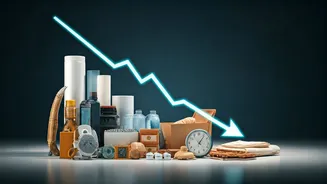
The financial markets displayed volatility, with the Sensex experiencing a fall of 367 points due to foreign fund outflows. Despite this, there were indications of overall economic resilience, with certain sectors showing robust performance. The market's reaction can be attributed to several factors, including global economic trends and investor sentiment. While market fluctuations can trigger uncertainties, they also present opportunities for savvy investors. Monitoring these developments closely is essential to understanding the broader financial landscape and making informed decisions. The fluctuations are a natural part of any economy, reflecting dynamic shifts and responses to various internal and external events.
Sector-Specific Highlights
Several sectors witnessed notable developments. The cotton seed oil futures saw a slip, while guar seed futures experienced an increase. Copper and aluminum prices hit record highs in futures trading, indicating shifting demands and market dynamics. These movements indicate the complex interplay of various factors that influence commodity markets, including global demand, supply chain issues, and economic forecasts. Investors and market analysts closely monitor commodity prices as key indicators of economic health. Increased prices in certain sectors signal increased demand, while dips in others might suggest weakening activity. These diverse market movements offer opportunities for strategic investment and risk management.