






The Synthetic Trap
Many garments today are made from synthetic materials like polyester, nylon, and acrylic, which are essentially plastics derived from fossil fuels. While
these fabrics offer advantages in performance wear, such as water resistance and stretch for activities like running or in rainy conditions, they fall short for everyday use. They tend to trap heat and prevent the skin from breathing effectively. Furthermore, their environmental impact is significant; synthetics can take anywhere from 20 to 200 years to decompose in landfills. A more alarming issue is the shedding of microplastics during washing, which can escape water filtration systems and pollute oceans. This makes them a less desirable choice for daily wear when considering sustainability and comfort.
Tencel: The Modern Marvel
Tencel, also known as Lyocell, represents a superior class of semi-synthetic fabrics, ingeniously crafted from dissolved wood pulp, commonly eucalyptus. It strikes an excellent balance between luxury and sustainability. Its texture is exceptionally soft, often likened to silk, and it possesses a beautiful drape, making it ideal for elegant dresses or comfortable bedding. The production process is a key highlight, employing a 'closed-loop' system where approximately 99% of the water and chemical solvents used in converting wood into fiber are captured and recycled. This method significantly reduces the environmental footprint compared to conventional cotton farming, which is known for its high water and land requirements. Tencel's efficient resource utilization positions it as an environmentally conscious choice.
Linen: The Ancient Champion
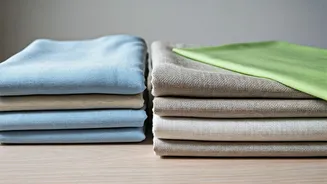
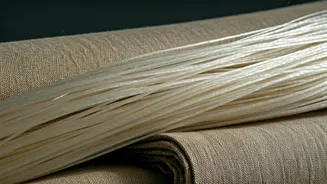
Linen, derived from the flax plant, is a fabric with a long and distinguished history, valued for its remarkable properties. Flax is a hardy plant that thrives in less-than-ideal soil conditions, relying on natural rainfall rather than extensive irrigation, and requiring minimal pesticides. While linen lacks elasticity, leading to its characteristic wrinkling, these creases are often seen as a mark of its natural origin. It stands out as one of the most breathable fabrics available, making it an essential material for warm climates. Linen is also fully biodegradable, meaning that at the end of its long lifespan, it decomposes naturally without leaving harmful residues behind. Its inherent strength ensures durability, contributing to a more sustainable wardrobe.
Pima Cotton: Built to Last
While cotton is a beloved natural fiber, conventional varieties often come with a high environmental cost due to water consumption and pesticide use. Pima cotton, also known as Supima, addresses these concerns through its classification as an Extra-Long Staple (ELS) cotton. Its significantly longer fibers result in a fabric that is not only softer and more robust than standard cotton but also retains color more effectively over time. The sustainability argument for Pima cotton centers on its exceptional durability; a Pima cotton garment can endure approximately 50% longer than one made from regular cotton. Its resistance to tearing and pilling means it holds up better to frequent wear and washing. Choosing Pima cotton embodies the principle of 'buy less, choose better,' prioritizing quality and longevity over disposability.
Making the Right Choice
When selecting clothing, paying attention to the fabric composition on the label is increasingly important for making environmentally conscious decisions. For specialized athletic wear where performance characteristics like water resistance and elasticity are paramount, synthetic materials still have a defined role. However, for everyday apparel, natural and semi-synthetic options offer superior comfort and a reduced environmental impact. Linen is an excellent choice for staying cool in hot weather due to its exceptional breathability. Tencel provides a luxurious feel and beautiful drape, making it versatile for various garments and home textiles. Pima cotton is the go-to for durable, long-lasting pieces that you intend to cherish for many years, reducing the need for frequent replacements. Embracing these fabrics benefits both your personal comfort and the health of the planet.