



The Roasting Revelation
Transforming eggplant from its sometimes intimidating reputation into a culinary star is remarkably simple through roasting. This high-heat method ensures
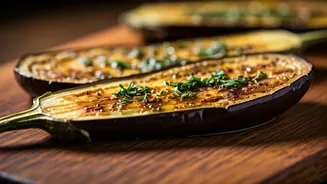
the vegetable becomes exquisitely tender and develops a delightful, subtle caramelization, offering a deeply savory profile. It’s an ideal, fuss-free addition to any meal, especially those drawing inspiration from Mediterranean flavors, making weeknight dinners a breeze. The key lies in achieving optimal moisture evaporation while simultaneously encouraging a beautiful golden-brown exterior. This process is so effective that it makes eggplant one of the easiest vegetables to prepare, showcasing its natural goodness with a straightforward seasoning approach.
Why This Method Shines
Several crucial elements contribute to the success of this roasted eggplant recipe. Employing a high oven temperature, specifically 450 degrees Fahrenheit, is paramount as it promotes browning rather than steaming, which is a common pitfall. Cutting the eggplant into uniformly sized cubes ensures that all pieces cook at the same rate, leading to consistent tenderness and texture throughout. The liberal application of olive oil is vital; it not only imparts flavor but also prevents the eggplant from drying out during the cooking process. Flipping the eggplant pieces once midway through roasting is a simple yet effective technique to guarantee even coloration and a desirable texture on all sides. Finally, introducing fresh herbs only at the very end of the cooking process preserves their clean, bright flavor, adding a burst of freshness that perfectly complements the savory roasted eggplant.
Core Ingredients Explained
The foundation of this exceptional roasted eggplant dish lies in a few key, accessible ingredients. Medium-sized eggplants are the preferred choice, and importantly, leaving the skin intact is highly recommended. This is not merely a suggestion; the skin plays a crucial role in helping the eggplant retain its structural integrity as it cooks, while also contributing a pleasing textural element. Olive oil is indispensable; its richness provides essential lubrication, preventing dryness, and actively aids in achieving that sought-after golden-brown hue. Standard salt and pepper are your essential seasoning partners, meticulously applied to enhance the eggplant's inherent savory notes. For a final touch of vibrancy and a herbaceous finish, fresh parsley is an excellent optional garnish, though other fresh herbs can certainly be substituted to suit your preference.
Crafting Your Roasted Eggplant
The preparation process is refreshingly simple and efficient. Begin by preheating your oven to a robust 450 degrees Fahrenheit. While the oven heats, place your cubed eggplant into a large bowl. Drizzle generously with olive oil, then season with approximately ½ teaspoon of salt and ¼ teaspoon of pepper. Toss everything together thoroughly to ensure each piece of eggplant is evenly coated with the oil and seasonings. Next, spread the seasoned eggplant in a single, even layer across a baking sheet, making sure there's a bit of space between the cubes to allow for proper air circulation and browning. Roast for about 30 minutes, and remember to flip or stir the eggplant pieces roughly 20 minutes into the cooking time. This action is key to promoting uniform browning and achieving that ideal tender texture. Once removed from the oven, you can garnish with fresh parsley, if desired, for an added layer of freshness.
Tips and Flavor Twists
This recipe yields approximately 2 cups of delicious roasted eggplant, serving about 4 people as a side dish (0.5 cup each). For maximum browning, ensure the eggplant pieces are spread out in a single layer on the baking sheet, with ample space between them; overcrowding can lead to steaming. To elevate the flavor profile before roasting, consider adding a pinch of garlic powder, a dash of smoked paprika for a hint of smokiness, or some cumin for an earthy depth. If parsley isn't your favorite, feel free to experiment with other fresh herbs like basil, cilantro, or thyme as alternatives. Roasted eggplant is incredibly versatile: serve it alongside grilled meats, incorporate it into hearty grain bowls, or toss it with pasta for a delightful Mediterranean twist. For an extra Mediterranean flourish, finish with a bright squeeze of fresh lemon juice or a sprinkle of crumbled feta cheese just before serving.
Storing and Reheating
Leftover roasted eggplant can be stored effectively in an airtight container in the refrigerator for up to 4 days, maintaining its quality. When you're ready to enjoy it again, reheating is key to recapturing that desirable texture. The best methods involve either a quick stint in the oven or a sauté in a skillet. These techniques help to re-crisp any edges and restore tenderness, preventing a soggy outcome. Roasted eggplant is a superb accompaniment to dishes like Greek meatballs and lemon rice pilaf, further enhancing its Mediterranean appeal. This simple preparation makes it an excellent candidate for meal prepping, providing a healthy and flavorful side dish option throughout the week.