


A Nutritional Makeover
Scientists in Thiruvananthapuram have engineered a revolutionary type of rice, scientifically modified through advanced food-processing techniques to significantly
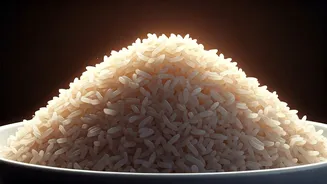
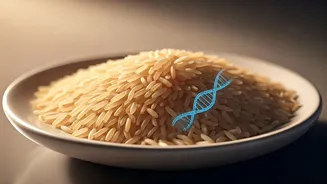
enhance its nutritional profile. Unlike conventional rice, which is predominantly starch and can rapidly convert to sugar in the body, this new 'designer rice' undergoes a transformation to become a nutrient-dense powerhouse. The goal is to address widespread malnutrition and provide a healthier alternative for staple food consumption across India. This innovation transforms broken rice, typically sold at a lower price, by deconstructing it into its core components – starch, protein, and fiber – and then precisely reassembling them with added micronutrients. The result is a grain that retains the familiar taste and cooking characteristics of regular rice but offers a superior nutritional advantage, particularly for metabolic health.
Combating Diabetes Naturally
This 'designer rice' is specifically formulated to tackle the challenges posed by Type 2 diabetes, a growing concern linked to the high starch content in traditional white rice. By significantly reducing the starch and increasing protein levels, the grain achieves a low glycemic index (GI) of below 55. This means it releases energy into the bloodstream much more slowly, preventing the sharp sugar spikes that are detrimental for individuals managing diabetes. The process involves taking broken rice, grinding it into flour, and then blending it with protein and essential micronutrients like iron, folic acid, and vitamin B12. This fortified mixture is then reformed into grains that are indistinguishable from regular rice in appearance, texture, and taste, offering a proactive, structural solution for better metabolic management without requiring drastic dietary changes.
Protein Powerhouse & Fortification
The most significant advancement in this 'designer rice' is its dramatically increased protein content. While normal rice typically contains only about 6–8% protein, this specially developed grain boasts over 20% protein. This substantial boost can play a crucial role in bridging nutritional gaps, especially in regions where rice is a primary dietary staple. Furthermore, the rice is fortified with vital micronutrients, including iron, folic acid, and vitamin B12, directly integrated into its structure. This fortification helps combat common deficiencies like anemia, providing a dual benefit of increased protein intake and essential vitamin and mineral supplementation. The scientists emphasize that this isn't merely a surface coating of nutrients; it's a fundamental re-architecture of the grain itself.
Cultural Integration & Accessibility
A key aspect of this innovation is its seamless integration into existing cultural dietary habits. Dr. C. Anandharamakrishnan, the project visionary, highlights that people don't need to abandon their beloved rice for less familiar or more expensive alternatives like quinoa or salads. This 'designer rice' allows individuals to continue consuming their staple food but with significantly enhanced nutritional value. The technology has been transferred to major industry players like Consumer Products Limited, paving the way for its commercialization and availability in local grocery stores. This move ensures that the benefits of this protein-rich, low-GI rice can reach a wide population, making healthier eating accessible and culturally appropriate, rather than requiring a complete overhaul of traditional diets.