






Interpreting Your Readings
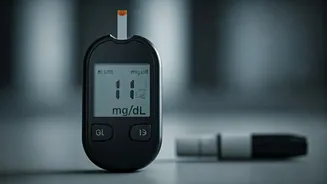
A fasting blood sugar level exceeding 100 mg/dL warrants attention. Specifically, a reading of 111 mg/dL, while not indicating diabetes, typically falls
into the category of impaired fasting glucose, commonly known as prediabetes. This suggests that your body might be beginning to exhibit signs of insulin resistance. However, it's important to consider your HbA1c result alongside this. An HbA1c of 5.5% is well within the normal threshold (below 5.7%), indicating that your average blood sugar control over the past two to three months has been stable and healthy. This contrast between a single high fasting reading and a good long-term average is not uncommon and can be influenced by various short-term factors.
Factors Influencing Readings
A solitary fasting blood glucose measurement can be surprisingly volatile, influenced by a multitude of transient factors that don't necessarily reflect your overall health. These can include insufficient sleep the night before, heightened stress levels, consuming a late-night meal, or even experiencing a minor bout of illness. These temporary disruptions can elevate your blood sugar temporarily, leading to a reading that appears higher than your usual baseline. In contrast, the HbA1c test provides a more comprehensive and averaged view of your glucose control, smoothing out these day-to-day fluctuations and offering a reliable picture of your health over a longer period.
Proactive Lifestyle Adjustments
Instead of immediate concern, this situation presents a valuable opportunity for proactive health management. The primary focus should be on enhancing your lifestyle choices rather than resorting to medication. Engaging in regular physical activity, such as aiming for at least 30 to 45 minutes of brisk walking or equivalent exercise most days of the week, can significantly boost your body's insulin sensitivity. Equally crucial is your dietary approach. Reducing the intake of refined carbohydrates, being mindful of portion sizes, and increasing your consumption of fibre-rich foods like vegetables, whole grains, and pulses will help stabilize your blood sugar levels effectively. Beyond diet and exercise, prioritizing sufficient sleep and actively managing stress are fundamental, though often overlooked, components of maintaining metabolic health.
Next Steps and Monitoring
To gain further clarity, it is advisable to re-evaluate your fasting glucose level after a few weeks, ensuring optimal conditions such as adequate sleep and proper fasting practices. If subsequent readings continue to remain elevated, consulting with a qualified healthcare professional is the recommended course of action. In some instances, they might suggest further diagnostic tests, like a post-meal blood sugar check or an oral glucose tolerance test, to provide a more definitive assessment of your glucose metabolism. Embracing these small, consistent lifestyle modifications now is a powerful strategy for significantly reducing your future risk of developing diabetes.