






The Invisible Queue
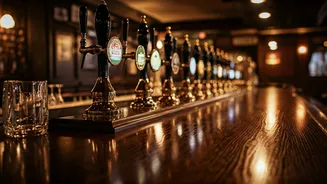
Stepping into a bustling British pub, especially on a busy evening, can seem like a chaotic free-for-all. However, beneath the surface lies a carefully
orchestrated system that relies on unspoken understanding. Bartenders and regulars alike often keep a mental tally of who arrived when, creating an invisible queue. Your primary role is to discern your place within this order, patiently await your turn, and be ready to order when it's your moment. Projecting confidence without arrogance is key; make eye contact with the bar staff and know your drink choice in advance. If ordering a Guinness, state it upfront as its preparation takes time. Respecting those who arrived before you is fundamental to maintaining this delicate social balance. Subtle cues like a gentle smile or an eyebrow raise can also help catch the bartender's attention. Remember, patience and a respectful approach towards fellow patrons and staff are the cornerstones of this unwritten rule.
Bar Service Only
In most traditional British pubs, the protocol for ordering is straightforward: head to the bar. Unlike some international customs where table service is the norm, the default setting in the UK is to approach the counter directly, even if you're seated. This applies even if the establishment serves food. Unless a staff member explicitly informs you that table service is available, it's best to assume it isn't. Waiting to be served at your table could lead to a prolonged wait. While some modern establishments, like gastropubs or airport venues, might offer table ordering, often facilitated by QR codes, classic pubs stick to the bar as the central hub of activity. Observing what others are doing is a reliable indicator; if everyone else is making their way to the bar, you should do the same to avoid confusion and appearing out of place.
The Art of the Round
The concept of 'buying rounds' is perhaps one of the most distinctive and sometimes perplexing British pub customs for visitors. This practice involves one person purchasing drinks for the entire group, with the expectation that another person will reciprocate later. Round-buying is deeply ingrained in pub culture, fostering a sense of camaraderie and shared responsibility. It streamlines the ordering process by reducing the frequency of individuals making solo trips to the bar, thereby easing congestion. However, participating in rounds also carries social implications. Being the first to buy might mean you're expected to purchase more expensive drinks later in the evening, while being slow to reciprocate can lead to being perceived as stingy. It's important to note that in larger groups, it's perfectly acceptable to opt out of a round if you feel pressured to drink more than you'd like. Similarly, if you plan to leave early, communicating this beforehand is considerate. The aim is to foster a positive social experience, not one tinged with obligation or regret.
Tipping and Tabs
When it comes to payment in British pubs, the established norms differ significantly from practices in many other countries. Unlike bars where flashing cash or a credit card might be used to catch a bartender's eye for expedited service, this approach is generally frowned upon in UK pubs. The expectation is that you order and pay for your drinks immediately. The concept of running a 'tab' is not common in most traditional pubs and might elicit a puzzled reaction. While direct tipping to expedite service isn't the custom, appreciation for good service can be shown in subtle ways. This might include rounding up the bill ('keep the change') or occasionally buying the bartender a drink for themselves, often phrased as 'and one for yourself' after your order. These gestures are considered polite and appreciated, particularly given the financial pressures many hospitality staff face, but they are not obligatory.
More Than Just Drinks
A British pub often transcends its role as merely a venue for alcoholic beverages; it functions as a vital community hub. For many, it serves as an extended living room, a place for social interaction, relaxation, and refuge. This communal aspect influences behaviour within the pub. Conversations are often conducted at a moderate volume, and loud noises or excessive shouting are generally discouraged by regulars. It’s advisable to keep phone notifications on silent and to engage in conversations respectfully, akin to being in a community hall or a private home. Pay attention to subtle social cues. For instance, if a table appears unoccupied but has a drink or a beer mat on it, it's likely that the patron has temporarily stepped away. Respecting these unwritten rules helps maintain the convivial and communal atmosphere that is so central to the British pub experience.
Pub Snacks Unveiled
The world of pub snacks also operates under a set of informal guidelines. When snacks are placed in the centre of a table, it's generally understood that they are meant for sharing. This applies to items like crisp packets, which are typically opened and presented communally, and bags of salted peanuts, a popular accompaniment that can encourage further drinking due to their saltiness. There's a distinct preference for retro snacks in many traditional pubs. Popular choices include pork scratchings (crispy fried pork skin) and Scampi Fries, which have a distinct seafood and lemon flavour. More substantial options often found at the counter include Scotch eggs and pork pies, which are customarily eaten by hand. Understanding these snacking traditions adds another layer to the authentic pub experience.
Last Orders and Departure
Pubs, despite their often relaxed atmosphere, operate within specific timeframes. A key indicator that the evening is drawing to a close is the 'last orders' bell, typically rung about 15 minutes before the pub's closing time, usually around 11 PM on weekdays and midnight on weekends. This signals the final opportunity to place an order for drinks. Following this, a second ringing of the bell confirms that no further service will be provided, and patrons are expected to finish their drinks and depart promptly. It's important to respect this final call and avoid negotiating with staff or lingering unnecessarily. Leaving considerately ensures that bar staff can conclude their duties and have their well-deserved rest, maintaining a positive end to the pub experience for everyone involved.