








The Humble Lemon Peel
Most home cooks discard lemon peels after extracting their juice, a common practice that overlooks a valuable culinary resource. These seemingly discarded
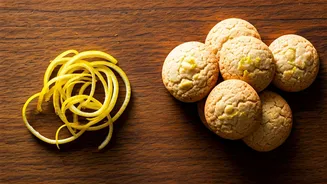
peels are packed with potent natural citrus oils, capable of infusing baked goods with an intense, authentic lemon flavor. Instead of contributing to food waste, these peels can be the star ingredient in a surprisingly simple yet incredibly rewarding baking project. Italian creator Angelo Coassin has popularized a method that champions this sustainable approach, demonstrating how these scraps can be given a delicious new life. This innovative technique not only reduces waste but also yields cookies that are bursting with natural lemon brightness, a testament to the power of rethinking everyday kitchen byproducts.
Flavorful Cookie Creations
The magic of using lemon peels lies in the concentrated flavor they impart. These cookies are designed to be intensely lemony, buttery, and pleasantly sweet, all thanks to the natural oils released from the peel. You won't find any artificial flavorings here, just pure citrus zest. This recipe offers remarkable versatility, allowing you to craft two distinct cookie experiences. For those who prefer a satisfying crunch, a shortbread-style cookie is achievable. Alternatively, for a softer, chewier bite with an even more pronounced lemon kick, the recipe can be adapted by incorporating additional eggs or lemon juice. This adaptability ensures that whether you're craving a delicate crisp or a tender chew, there's a lemon cookie variation perfectly suited to your preference.
Gathering Your Ingredients
To embark on this delightful baking journey, you'll need a few key components. Start with the leftover scraps from one lemon, ensuring they are thoroughly cleaned. The foundational ingredients include 200 grams of sugar for sweetness, 85 grams of olive oil for richness and moisture, and 280 grams of all-purpose flour to form the dough. A teaspoon of baking powder is essential for leavening, along with a pinch of salt to balance the flavors. For a beautiful finish, have some icing sugar on hand for rolling the cookies. To achieve the softer, chewier texture, you have two options: either add two whole eggs or combine one egg with 60 ml of fresh lemon juice. This latter option enhances the citrus intensity even further, offering a deeper lemon experience for those who desire it.
Simple Baking Method
The preparation process is straightforward, beginning with your collected lemon scraps. First, boil the lemon scraps for approximately 15 minutes. Once boiled, drain them thoroughly and allow them to cool down slightly. In a blender or food processor, combine these softened lemon scraps with the sugar and olive oil. Blend this mixture until it achieves a smooth consistency. If you are opting for the chewy cookie variation, this is the stage to introduce either the two eggs or the single egg and lemon juice combination. Pulse again until everything is well incorporated. Next, transfer this wet mixture to a bowl and add the all-purpose flour, baking powder, and salt. Mix everything together until a soft, manageable dough forms. Shape small portions of the dough into balls and then roll each one generously in icing sugar. Place these coated balls onto a baking tray lined with parchment paper. Bake in a preheated oven at 180 degrees Celsius (360 degrees Fahrenheit) for 15 to 20 minutes, or until golden. Allow the cookies to cool slightly on the tray before transferring them to a wire rack to cool completely.