




Why Clean Feeders Matter
Maintaining a clean bird feeder is crucial for the well-being of your avian visitors. Neglected feeders can become breeding grounds for harmful mold, bacteria,
and parasites, which can easily spread diseases throughout the bird population. Beyond preventing illness, regular cleaning ensures that the bird seed remains fresh and appealing, which in turn encourages natural foraging behaviors and provides a safer, more enjoyable dining experience for all the wild birds that visit your garden. A clean feeder isn't just about aesthetics; it's a vital step in supporting a healthy local ecosystem and protecting vulnerable bird species from preventable health issues. The effort invested in a clean feeding station directly translates to healthier, happier birds.
Vinegar: The Natural Cleaner
The secret to a sparkling and safe bird feeder lies in a readily available, inexpensive pantry staple: distilled white vinegar. Unlike harsh chemical cleaners that can leave toxic residues harmful to birds, vinegar offers a safe and effective natural disinfectant. When used correctly, it's a powerful agent capable of eradicating a wide range of bacteria and fungi. This eco-friendly option provides a thorough clean, breaking down grime and sanitizing surfaces without posing any risk to the birds or the environment. Its non-toxic nature makes it the ideal choice for anyone looking to maintain a healthy feeding station for their feathered friends using natural solutions.
Vinegar Cleaning Steps
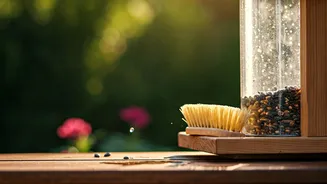
To give your bird feeder a thorough cleaning using vinegar, begin by emptying it completely, removing all old food, droppings, and debris. Next, meticulously inspect the feeder for any signs of damage, such as cracks that might compromise its integrity or persistent mold growth; if the damage is severe, it’s best to replace the feeder. Disassemble the feeder into its individual parts to ensure you can reach every surface for deep cleaning. Use warm, soapy water and a brush to scrub away any solid grime from all components. Then, prepare a solution of equal parts distilled white vinegar and water in a large container. Submerge the disassembled parts in this solution for up to an hour, occasionally agitating them to help loosen stubborn dirt. After soaking, rinse each part thoroughly under warm running water to eliminate any vinegar scent or residue. Finally, allow all components to air dry completely on a clean towel or rack before reassembling, as residual moisture can encourage mold growth.
Maintaining Cleanliness
To keep your bird feeders in prime condition consistently, adhere to a regular cleaning schedule, aiming for at least every two weeks. Increase the frequency to weekly if you notice heavy bird traffic or experience wet weather, as these conditions can accelerate the buildup of contaminants. It's also important to clean the area directly beneath the feeder, removing fallen seed hulls and droppings to prevent pest attraction and disease spread. Always use the right tools, like a dedicated brush, to scrub all parts, including feeding ports and perches, and rinse thoroughly. Crucially, ensure the feeder is completely dry before refilling; moisture is a breeding ground for mold and bacteria. Consider having multiple feeders available to allow ample drying and cleaning time for each. Proper storage of bird seed in sealed containers also prevents contamination and keeps the food fresh.