



The Rise of Quiet Escapes
As popular European destinations grapple with the challenges of overtourism, a growing number of travelers are actively seeking out places that offer a genuine
sense of space, natural splendor, and a more relaxed pace of life. Recent studies are now spotlighting these quieter corners of the continent, with a particular focus on remote archipelagos that provide an unparalleled escape. These destinations are redefining vacationing by prioritizing environmental preservation and authentic experiences over mass tourism. This shift signals a broader trend towards 'coolcations,' where cooler climates and less frequented locales are becoming increasingly desirable, moving away from the typical sun-drenched beach holidays that often come with overwhelming crowds. The focus is on destinations that offer a unique connection with nature and a chance to disconnect from the hustle and bustle of modern life.
Svalbard: Arctic's Quietest Gem
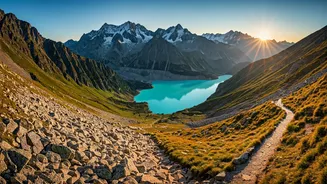
Leading the charge in this tranquil travel movement is Svalbard, a Norwegian archipelago situated far above the Arctic Circle. This remote destination has been identified as the least crowded island in all of Europe, a distinction based on a comprehensive study analyzing tourism patterns. The research, which utilized data from the European Commission on overnight tourist stays per square kilometer, revealed that Svalbard records an astonishingly low figure of just 2.4 overnight stays. Its location, roughly equidistant between mainland Norway and the North Pole, belies its accessibility via flights from Oslo or Tromsø. The islands are characterized by dramatic landscapes of glaciers, deep fjords, and vast expanses of tundra, punctuated only by a few small settlements. Svalbard's appeal is amplified by its status as a premier 'coolcation' destination, attracting those who prefer cooler, uncrowded environments to traditional warm-weather getaways.
Untamed Wilderness & Wildlife
A significant portion of Svalbard, over two-thirds of its landmass, is dedicated to protected national parks and nature reserves, underscoring a deep commitment to conservation. This untouched wilderness is teeming with unique Arctic wildlife, including polar bears, Arctic foxes, walruses, and reindeer, which roam freely across the islands. Strict regulations are in place to ensure the protection of both these magnificent animals and the delicate Arctic ecosystem. Consequently, development in Svalbard is intentionally kept to a minimum, with excursions into the surrounding wilderness typically led by experienced guides. This approach ensures that visitors can witness the raw beauty of the Arctic responsibly, respecting its fragile environment and its inhabitants. The minimal infrastructure further contributes to the island's serene and unspoiled character.
Seasons of Extremes
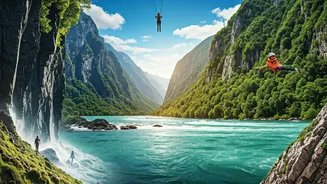
The travel experience in Svalbard is profoundly shaped by its extreme seasons. From late April through August, the archipelago basks in the phenomenon of the midnight sun, where daylight persists for approximately four months, offering continuous light. This period is understandably the busiest, as visitors take advantage of the extended daylight for a variety of outdoor pursuits, such as hiking and kayaking through the majestic glacier-lined fjords. Conversely, winter brings months of darkness and sub-zero temperatures. For those willing to embrace the cold, this dark season presents an unparalleled opportunity to witness the awe-inspiring Northern Lights, which frequently dance across the Arctic sky. Each season offers a distinct yet equally captivating experience of this remote Arctic paradise.
Longyearbyen: The Hub
The primary settlement and tourism hub in Svalbard is Longyearbyen, the archipelago's main base for most visitors. This compact town serves as the administrative center and offers essential amenities for travelers. Within its charming confines, visitors can find a select number of restaurants, cozy cafes, and cultural points of interest, such as the informative Svalbard Museum. While Longyearbyen provides a comfortable starting point for exploration, it maintains a low-key atmosphere that complements the overall tranquility of the islands. It's the gateway to understanding the unique human presence in this otherwise wild and remote landscape, offering a glimpse into life above the Arctic Circle.
Other Tranquil European Islands
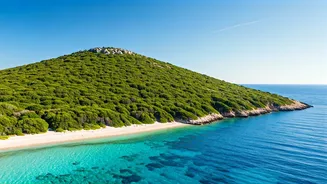
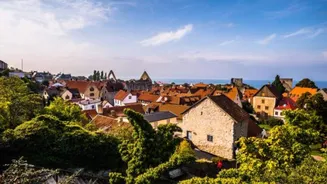
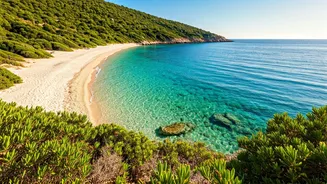
Beyond Svalbard, the study highlighted several other European islands where travelers can still find peace and quiet away from the throngs of tourists. Finland's Åland Islands offer a serene archipelago experience with picturesque landscapes and a relaxed pace. Sweden's Gotland provides a blend of historical charm and natural beauty, with fewer visitors than many mainland destinations. Greece's Chios, often overlooked in favor of its more famous counterparts, presents a rich cultural heritage and stunning coastlines without the overwhelming crowds. These islands, like Svalbard, represent a growing movement towards mindful travel, encouraging exploration that respects local environments and communities while offering deeply rewarding personal experiences for those seeking to slow down and truly connect with their surroundings.
Top 10 Least Crowded Destinations
According to research compiled by BookRetreats.com, the following islands stand out as the premier choices for travelers seeking to avoid overtourism and embrace a more serene European island experience. The list, ranked by low tourist density, includes: 1. Svalbard, Norway, renowned for its extreme remoteness and Arctic wonders. 2. Åland, Finland, an idyllic Baltic archipelago. 3. Gotland, Sweden, offering medieval history and coastal beauty. 4. Chios, Greece, a lesser-known gem in the Aegean. 5. Euboea (Evia), Greece, one of Greece's largest islands with diverse landscapes. 6. North Aegean Islands (Lesvos, Limnos), Greece, a cluster of islands rich in culture and nature. 7. El Hierro, Spain, the westernmost Canary Island, celebrated for its conservation efforts. 8. Funen, Denmark, the birthplace of Hans Christian Andersen, known for its fairy-tale charm. 9. Azores, Portugal, volcanic islands in the Atlantic offering dramatic scenery. 10. Bornholm, Denmark, a Baltic island with unique rock formations and sandy beaches.