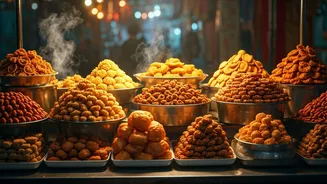







A Culinary Heritage
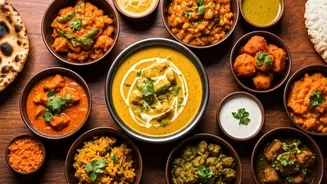
India's culinary heritage is a rich mosaic, shaped by centuries of cultural exchange and regional variations. Each state boasts a unique cuisine, reflecting
the local produce, climate, and traditions. For instance, South Indian food is known for its use of rice, lentils, and coconut, while North Indian cuisine often features wheat-based dishes and creamy gravies. The availability of fresh ingredients plays a crucial role. This diversity ensures a wide spectrum of flavors and textures, making Indian food a delight for the senses. Moreover, the historical trade routes and the movement of people have significantly influenced the dishes and cooking methods across the country, leading to a vibrant exchange of culinary practices.
The Global Influence
Globalization has significantly impacted India's food scene, introducing new flavors and dining experiences. Western fast-food chains have become increasingly popular, especially among the younger generation in urban areas, leading to a fusion of Indian and international cuisines. Restaurants are experimenting with innovative dishes that blend Indian spices and cooking techniques with global flavors. This cross-cultural culinary exchange is transforming the dining landscape, with chefs exploring novel combinations and adapting traditional recipes. Additionally, the rise of food blogging and social media has exposed Indian consumers to a wider range of global cuisines and cooking styles, further fueling the trend of culinary experimentation.
Health and Wellness
The growing awareness of health and wellness is driving significant changes in Indian eating habits. Consumers are now more conscious of the ingredients and nutritional value of their food, leading to a rise in demand for healthy options. Traditional Indian diets, often rich in vegetables, lentils, and whole grains, are gaining popularity, as people recognize their health benefits. Restaurants and food businesses are responding to this trend by offering healthier versions of classic Indian dishes, with reduced oil, sugar, and salt content. The focus on organic, locally sourced ingredients is also growing, as consumers seek fresher and more sustainable food choices. This shift towards healthier eating habits reflects a broader trend of prioritizing well-being and making informed food choices.
Street Food Delights
Indian street food continues to be an integral part of the country's food culture, offering a diverse array of affordable and flavorful options. From the spicy chaats of Delhi to the savory dosas of Chennai, street food showcases regional specialties and culinary skills. It's a key part of the experience for both locals and tourists. The popularity of street food is driven by its accessibility, taste, and affordability, with vendors adapting to changing consumer preferences while retaining traditional recipes. However, concerns regarding food safety and hygiene have led to regulatory measures and improvements in food handling practices. This ensures that the street food sector remains vibrant while promoting better health standards.
The Future Trends
The future of Indian food is likely to be shaped by continued innovation, sustainability, and a fusion of flavors. The integration of technology, like online food delivery platforms and digital ordering systems, is transforming the way people access and experience food. The emphasis on locally sourced and sustainable ingredients will increase, reflecting a growing consumer awareness of environmental concerns. Furthermore, the interest in plant-based diets and vegetarian options will continue to rise. This will drive new innovations in the food industry. Overall, the Indian food scene is dynamic, and prepared for even more changes, reflecting India's cultural richness, evolving tastes, and global connections.