



Rind's Hidden Treasures
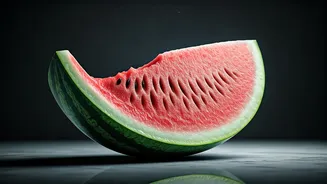
Often dismissed as waste, the green skin and white flesh of a watermelon are actually a treasure trove of essential nutrients. Nutritionist Lovneet Batra
highlights that this commonly discarded part of the fruit holds significant value, particularly for maintaining a healthy cardiovascular system. While the sweet, juicy interior is usually savored, Batra points out that the rind itself is rich in a compound called L-citrulline. This amino acid plays a crucial role in the body by converting into arginine, which then helps in the production of nitric oxide. Nitric oxide is vital for ensuring blood vessels remain healthy and flexible, thereby promoting better blood flow throughout the body. By not throwing away the rind, you're tapping into a readily available source that supports your circulatory system and contributes to overall heart wellness. This overlooked component offers more than just hydration; it's a functional food that actively benefits your internal health mechanisms, making it a truly remarkable part of the watermelon.
Nutrient-Rich Profile
Beyond the superstar L-citrulline, watermelon rind boasts a diverse array of beneficial nutrients. According to nutritionist Lovneet Batra, this often-discarded portion is replete with dietary fibre, essential vitamins such as C and B6, riboflavin, and precursors to vitamin A. These components collectively contribute to a robust nutritional profile. The L-citrulline, in particular, is lauded for its ability to enhance blood circulation, assist in the relaxation of blood vessels, and improve overall vascular functionality. This makes the rind a potent ally for maintaining a healthy heart. Furthermore, the fibre content aids in digestive regularity and can contribute to a more balanced metabolism. The presence of various phytonutrients also adds to its health-promoting properties, making the entire structure of the watermelon, including its rind, a beneficial part of a healthy diet.
Culinary Creativity
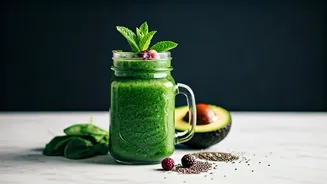
Embracing the watermelon rind in your diet is simpler and more versatile than you might imagine. Instead of consigning it to the compost bin, consider these creative culinary applications suggested by nutritionist Lovneet Batra. One easy method is to blend it into your favorite smoothies, adding a nutritional boost without significantly altering the taste. For those who enjoy Indian flavors, transforming the rind into a tangy chutney is an excellent option; the slightly bitter notes of the rind can be balanced with spices and sweeteners. Stir-frying thinly sliced rind with a medley of spices offers a unique texture and taste to your meals. Alternatively, pickling the rind provides a zesty, preserved treat that can accompany various dishes. These straightforward preparations allow you to harness the rind's nutritional benefits while adding interesting new dimensions to your everyday cooking, proving that what might seem like waste can be a valuable culinary ingredient.
Broader Health Impacts
The advantages of consuming watermelon rind extend to several key areas of health, as supported by health insights from platforms like Healthline. The L-citrulline present in the rind has been associated with potential improvements in mild to moderate erectile dysfunction and may contribute to enhanced athletic endurance, although these effects are largely based on anecdotal evidence and ongoing research. Furthermore, studies suggest that watermelon extract supplements, which would include components from the rind, can aid obese adults in managing blood pressure levels. Acting as a natural diuretic, the rind may also offer benefits to individuals monitoring hypertension. The significant fibre content is another major plus, promoting better digestion and regularity, potentially assisting in lowering cholesterol, stabilizing blood sugar levels, and increasing feelings of fullness, thereby supporting healthy weight management. Thus, the rind plays a multifaceted role in promoting holistic well-being.