


Mango's Sweet Deception
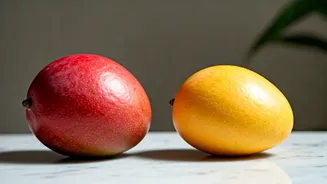
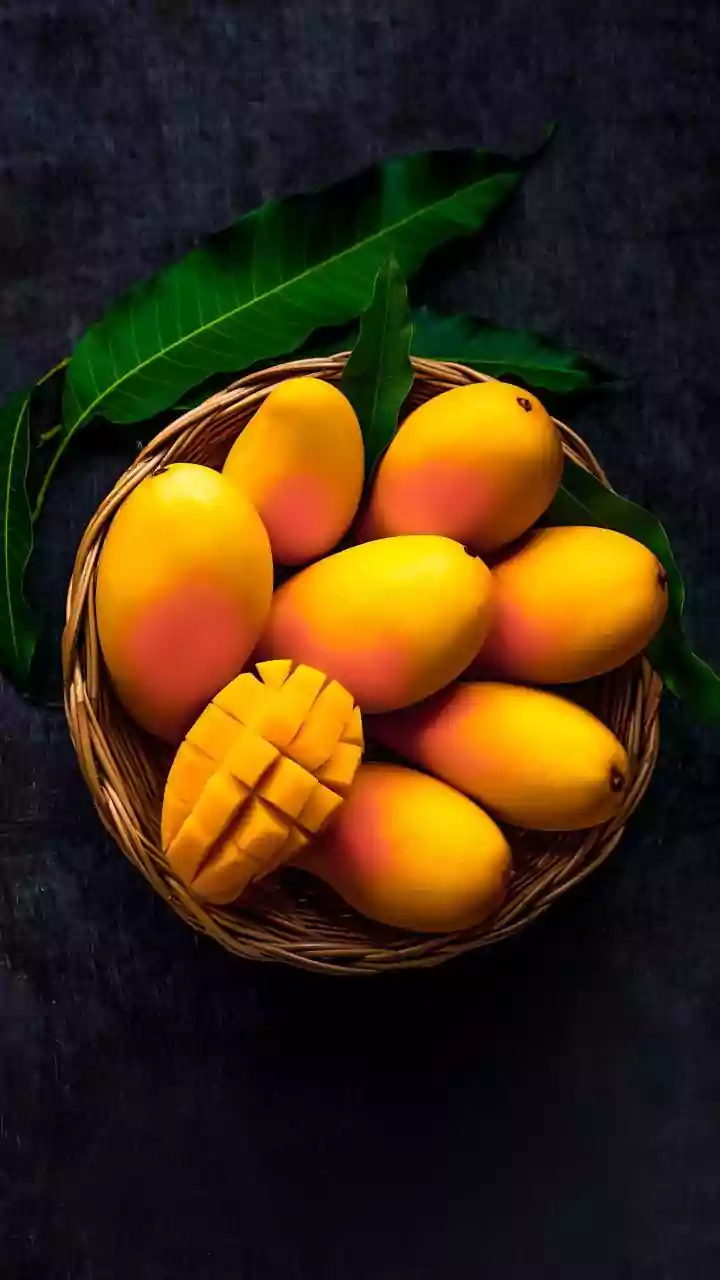
Mangoes, a beloved tropical delight, can sometimes be artificially ripened using chemicals such as calcium carbide. This chemical, while speeding up the
ripening process, can leave behind potentially toxic residues. To mitigate this, a simple yet effective method is to soak mangoes in water for approximately 30 minutes before consumption. This helps to wash away any surface contaminants. Furthermore, when selecting mangoes, pay attention to their natural, sweet aroma, which is a good indicator of natural ripeness, and opt for fruits that exhibit a rich, appealing colour without looking unnaturally bright. Avoiding overly firm or unusually colored mangoes can also be a good strategy to ensure you're enjoying a fruit that has ripened naturally.
Watermelon's Red Illusion
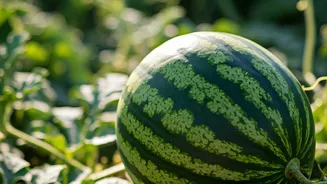
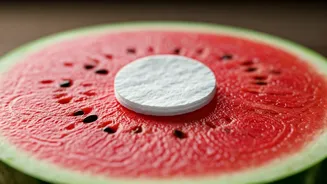
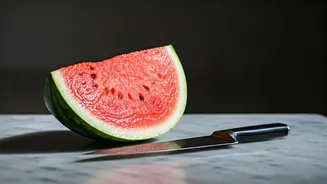
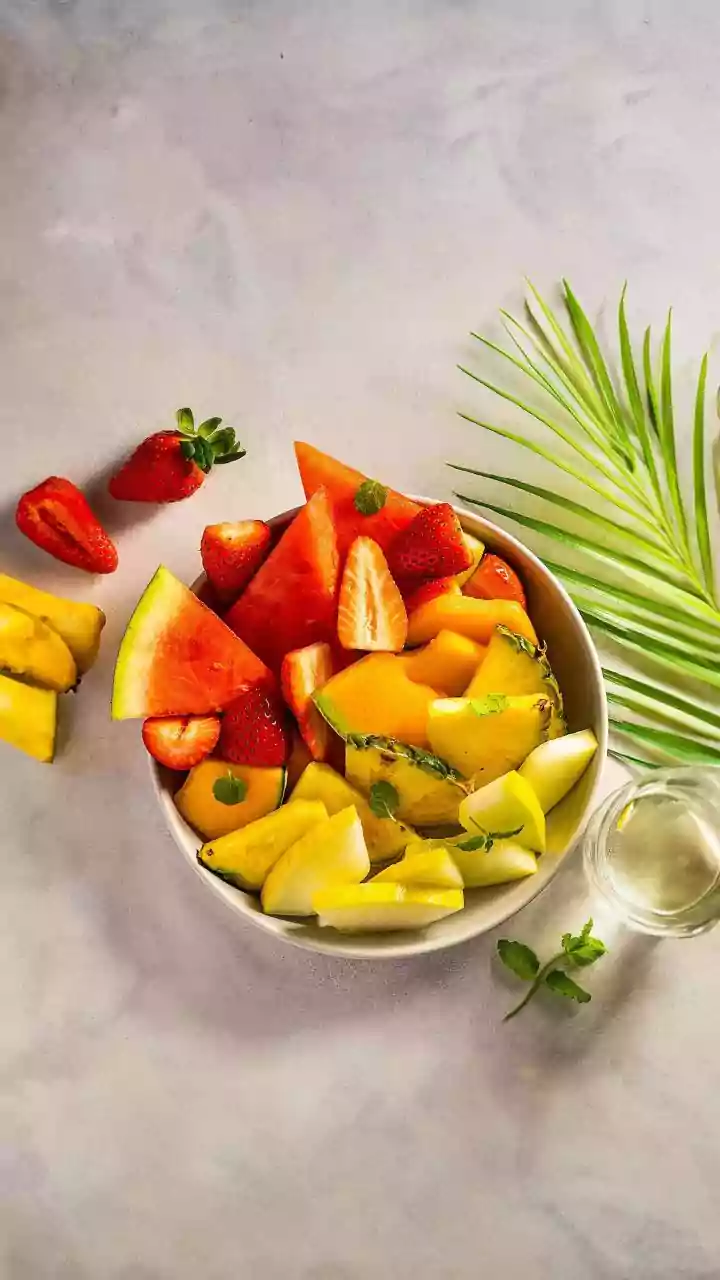
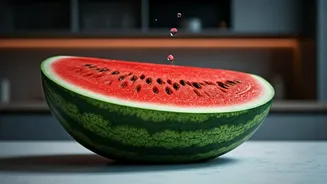
The vibrant red of a watermelon's flesh, a sign of refreshing juiciness, can sometimes be artificially enhanced. Some vendors may inject artificial dyes into the fruit to make it appear more intensely red, especially if the natural color isn't as striking. To avoid this potential deception, it's generally advisable to purchase whole watermelons rather than pre-cut slices. Whole fruits are less likely to have been tampered with. Inspecting the rind for any unusual marks or inconsistencies can also be helpful. Choosing a watermelon that feels heavy for its size often indicates good hydration and ripeness, contributing to a naturally appealing color.
Grapes' Shiny Facade
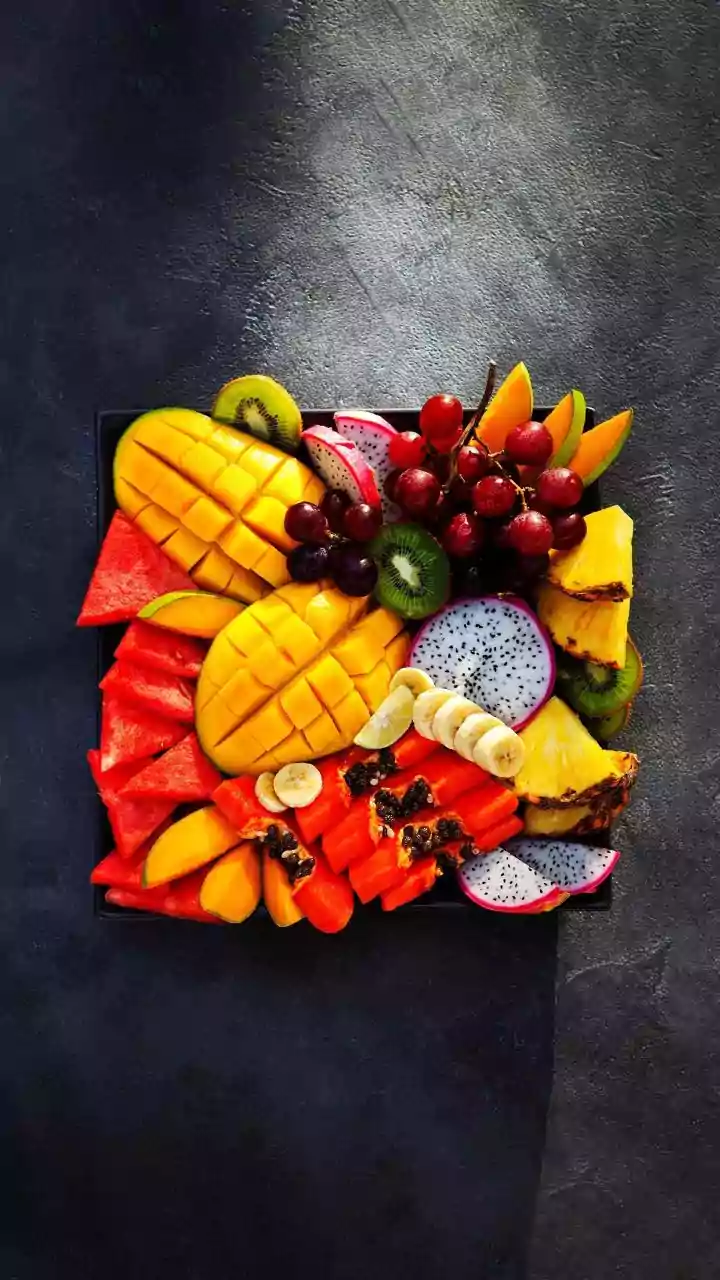
Grapes, often enjoyed for their sweet burst of flavor, can sometimes present challenges regarding pesticide residues or an artificial sheen. To address these concerns, a highly effective method is to prepare your grapes using a simple soak. Combine water with a small amount of baking soda in a bowl, submerge the grapes, and allow them to soak for a period. Following the soak, rinse the grapes thoroughly under running water. This dual-action cleaning process helps to break down and wash away a significant portion of any residual pesticides or artificial coatings, ensuring a cleaner, safer fruit for your enjoyment. Always opt for grapes that appear naturally matte rather than excessively glossy.
Pomegranate's Fresh Guise
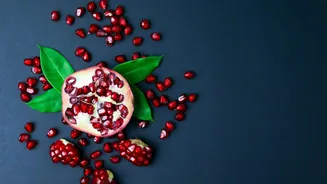
Pomegranates, known for their jewel-like seeds, may sometimes undergo treatments to appear fresher than they are. This can involve polishing to enhance shine or even dyeing to deepen their color. When selecting pomegranates, aim for fruits that display a slightly rough, natural-looking rind. This texture is often a sign that the fruit has not been artificially treated for appearance. The weight of the fruit can also be an indicator; a heavier pomegranate usually means it's juicier. Avoid those with an overly smooth or unnaturally glossy skin, which could suggest artificial enhancement.
Banana's Quick Yellow
Bananas are a staple fruit, and their rapid transformation from green to yellow is often facilitated by ripening agents. These substances are used to accelerate the natural ripening process, making them ready for sale more quickly. Naturally ripened bananas typically exhibit small brown speckles scattered across their peel, a hallmark of sweetness and maturity. They also tend to have a more consistent and satisfying sweetness compared to those ripened artificially. If you're aiming for the best flavor and natural goodness, look for these subtle signs of organic ripening rather than an overly uniform yellow hue.
Apple's Waxed Sheen
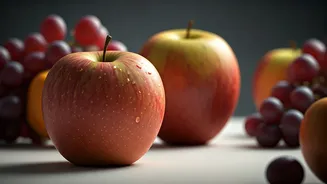
Apples are frequently coated with a thin layer of wax. This coating serves a dual purpose: to enhance their visual appeal by giving them a shiny gloss and to prolong their shelf life by reducing moisture loss. While generally considered safe in small amounts, it's always a good practice to thoroughly clean your apples before eating. Washing them with warm water and then rubbing the skin vigorously can help to remove most of the wax. For an extra measure, consider peeling the apple if you prefer to be absolutely certain, though thorough washing is usually sufficient for enjoying the fruit's natural crispness and flavor.
Papaya's Accelerated Ripening
The process of ripening papayas can be significantly sped up to meet market demands. To achieve this, artificial ripening methods are sometimes employed, leading to fruit that appears ready for sale much sooner than nature intended. A key recommendation for enjoying papayas is to purchase them when they are still firm and allow them to ripen naturally at home. As they mature, they will soften to the touch and develop a characteristic sweet aroma. This natural ripening ensures a superior texture and a more authentic, delightful flavor profile that artificial methods often cannot replicate.
Orange's Vibrant Hue
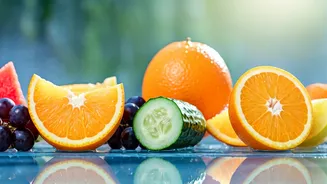
Oranges, especially when they are not fully ripe, might have their color artificially enhanced through dyeing. This practice can make green or partly colored oranges appear a vibrant, appealing orange, potentially misleading consumers. To make a wise choice, trust your senses: focus on a fresh, distinct citrus aroma, which is a strong indicator of ripeness. Also, examine the peel; it should feel natural rather than excessively smooth or polished. A natural-looking peel, even if slightly imperfect, is often a better sign of an organically ripened and naturally flavored orange.