





Gratitude and a Glimpse
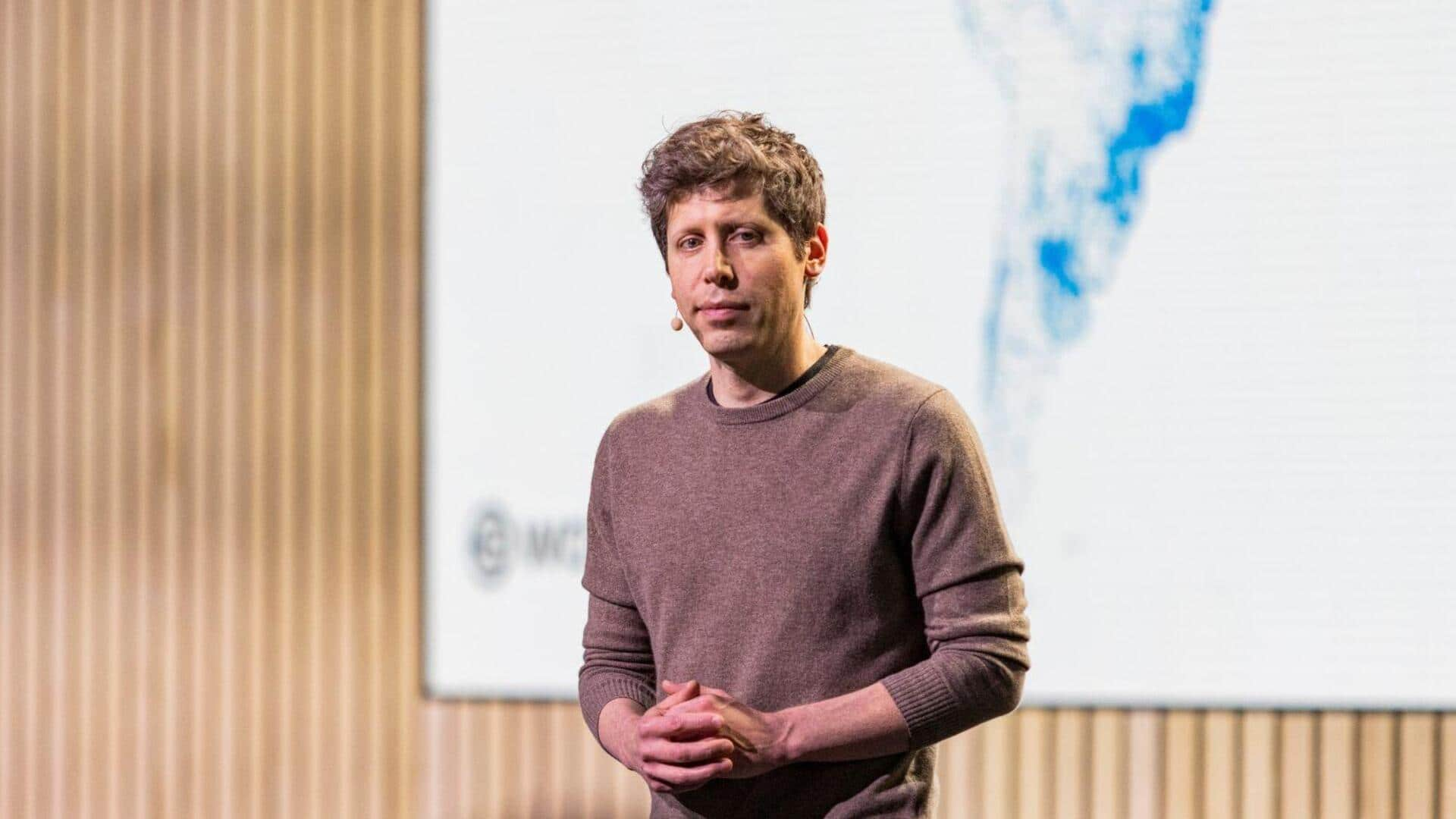
In a recent social media post, OpenAI CEO Sam Altman extended a message of appreciation to software engineers who dedicated themselves to crafting intricate
systems, often line by line, before the widespread adoption of artificial intelligence. He acknowledged the immense effort and dedication involved in this meticulous process, stating, 'I have so much gratitude to people who wrote extremely complex software character-by-character. It already feels difficult to remember how much effort it really took.' Altman's sentiment, 'Thank you for getting us to this point,' underscored the foundational work performed by these professionals in paving the way for current technological advancements. This thoughtful expression, however, has inadvertently opened a Pandora's Box of discussions regarding the future trajectory of the software engineering field, prompting contemplation on how AI's increasing capabilities might redefine traditional coding roles.
The Irony of Automation
Altman's seemingly appreciative message has been met with significant user commentary, highlighting a perceived irony in thanking individuals whose roles might be directly impacted by the very AI tools being developed. Many interpreted his words as a veiled intimation of job displacement, with one user pointedly remarking, 'Nothing says "you're being replaced" quite like a heartfelt thank you from the guy doing the replacing.' Another echoed this sentiment, stating, 'You're welcome. Nice to know that our reward is our jobs being taken away.' The emotional impact on engineers was palpable, with one commenter expressing a sense of loss for the joy derived from the meticulous process of coding, now threatened by the notion that AI could render such efforts obsolete. The discussion also touched upon the broader societal perception of coding, with some feeling that the narrative is shifting to view it as a laborious, undesirable task, a sentiment antithetical to the passion many developers hold for their craft.
Industry Shifts and AI's Reach
This conversation unfolds against a backdrop of increasing automation across various industries, including technology. Block Inc. recently announced significant workforce reductions, citing increased automation, while Atlassian, another software company, has also implemented job cuts while simultaneously boosting its investment in AI technologies. Industry observers note that AI-powered tools are beginning to exert a considerable influence on numerous white-collar professions, with software development and marketing roles being particularly susceptible. These advancements are enabling companies to achieve higher levels of productivity without necessarily expanding their human workforce. Leaders in other major corporations are also openly discussing strategies to leverage AI for workforce restructuring. For instance, some aim to achieve substantial revenue growth while simultaneously reducing headcount, and others anticipate a decrease in their corporate workforce as AI tools become more integrated into daily operations. This trend signifies a broader economic recalibration driven by technological innovation.