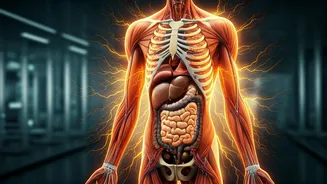








The Starvation Fallacy
The notion that drastic calorie reduction is the sole path to shedding pounds is a pervasive myth. In reality, extreme dietary restriction can significantly
decelerate your metabolic rate, making it harder for your body to burn calories efficiently over time. Furthermore, such severe limitations often lead to the loss of valuable muscle mass, which is crucial for maintaining a healthy metabolism. This approach is inherently unsustainable, setting individuals up for potential weight regain and a frustrating cycle of yo-yo dieting. Instead, focus on creating a moderate calorie deficit that supports your body's needs and allows for gradual, consistent fat loss while preserving lean muscle.
Carbs Aren't the Foe
Many people mistakenly demonize carbohydrates as the primary cause of weight gain, but this perspective is far too simplistic. Carbohydrates are a vital macronutrient, providing the essential energy your body and brain require for daily functions and physical activity. The real issue isn't the presence of carbs but rather the quantity and quality consumed. Refined and processed carbohydrates, like white bread and sugary snacks, offer little nutritional value and can contribute to energy spikes and crashes. Conversely, complex carbohydrates found in whole grains, fruits, and vegetables are rich in fiber and nutrients, promoting satiety and stable energy levels. The key lies in choosing whole, unprocessed sources and consuming them in balanced portions.
Sweat Doesn't Equal Fat
The feeling of intense sweating after a workout often leads people to believe they're burning a significant amount of fat. However, sweat is primarily your body's way of regulating temperature through fluid loss, not a direct indicator of fat metabolism. While exercise does contribute to fat loss, it's achieved through creating a consistent calorie deficit, meaning you burn more calories than you consume over a period. The amount you sweat can vary greatly due to environmental factors, hydration levels, and individual physiology, making it an unreliable measure of fat expenditure. Prioritize consistent physical activity that elevates your heart rate and contributes to an overall calorie deficit for effective fat reduction.
Spot Reduction is a Myth
The idea that you can target and eliminate fat from specific areas of your body through targeted exercises is a widely circulated myth that lacks scientific backing. Your body determines where it stores and releases fat based on genetic factors and hormonal influences. While strength training exercises can build muscle in specific areas, leading to a more toned appearance, this does not equate to localized fat loss. Overall body fat reduction occurs when you consistently maintain a calorie deficit through a combination of diet and exercise, leading to a decrease in fat across your entire body. Focus on a comprehensive approach to fitness and nutrition for overall fat loss.
Skipping Meals Backfires
Many believe that skipping meals is a quick way to reduce calorie intake and accelerate weight loss. However, this strategy often leads to unintended consequences that hinder progress. When you go for extended periods without eating, your body's hunger signals intensify, often resulting in overeating or making less healthy food choices when you finally do eat. Furthermore, inconsistent meal patterns can disrupt your metabolism and hormone balance, making it more challenging to manage your weight effectively. Maintaining regular meal times with balanced nutrition helps regulate appetite, stabilize energy levels, and support a healthier metabolic function.
Healthy Fats Are Essential
The misconception that all fats should be eliminated for weight loss is detrimental to overall health and can even impede fat loss efforts. Healthy fats are crucial components of a balanced diet, playing a vital role in numerous bodily functions, including hormone production, nutrient absorption, and maintaining cell integrity. They also contribute significantly to feelings of fullness, which can help manage appetite and prevent overeating. Incorporating sources like avocados, nuts, seeds, and olive oil provides essential fatty acids and supports satiety, making it easier to adhere to a calorie-controlled eating plan and achieve sustainable weight management.
Cardio Isn't Everything
While cardiovascular exercise is undeniably beneficial for burning calories and improving heart health, it's not the sole method for effective weight loss. Strength training, which involves using resistance to build muscle, plays an equally critical role. Muscle tissue is metabolically active, meaning it burns more calories at rest than fat tissue. By incorporating regular strength training, you can increase your resting metabolic rate, leading to greater calorie expenditure throughout the day. A well-rounded fitness regimen that includes both cardio and strength training offers a more comprehensive approach to body composition changes and sustainable weight management.
Supplements Are Not Magic
The fitness industry often promotes supplements and 'fat burners' as essential tools for rapid weight loss, but these are rarely the key to achieving lasting results. While some supplements might offer marginal benefits, the core drivers of successful weight loss remain consistent diet, regular exercise, and overall lifestyle adherence. Relying heavily on these products can create a false sense of progress and detract from focusing on the fundamental pillars of healthy living. Sustainable fat loss is cultivated through disciplined habits and a holistic approach to well-being, not through quick fixes or external aids.
Weight Loss Isn't Linear
It's a common misconception that weight loss should be a perfectly straight line downwards on the scale. In reality, the journey to a healthier weight is often characterized by fluctuations, which are entirely normal and do not necessarily indicate a lack of progress. Factors such as water retention due to hormonal changes, increased glycogen stores from increased carbohydrate intake after intense workouts, or even digestive processes can cause temporary increases in scale weight. Embracing these fluctuations as a natural part of the process, rather than a setback, is crucial for maintaining motivation and a positive outlook.
The Scale Isn't the Whole Story
While the weighing scale can be a useful tool, it provides only one piece of the puzzle when it comes to assessing progress in your fitness journey. Focusing solely on the number displayed on the scale can be misleading, as it doesn't account for crucial changes in body composition, such as increased muscle mass or decreased body fat percentage. Moreover, your overall health, energy levels, sleep quality, and how your clothes fit are equally important indicators of well-being. A holistic approach that considers various metrics beyond just weight offers a more accurate and encouraging picture of your transformation.