






Sweet vs. Bitter
Navigating the world of almond oils can be confusing, especially when you're aiming for healthier hair. The key distinction lies in the source: sweet almonds
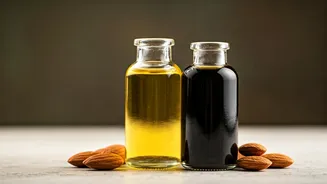
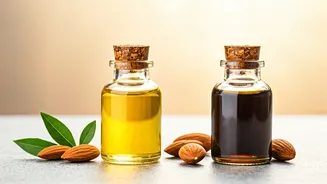
versus bitter almonds. Sweet almond oil, derived from the edible variety, is packed with beneficial nutrients and is perfectly safe for topical application on your scalp and hair. It's the kind typically found in your mom's "ghar ke nuskhe" for good reason. On the other hand, bitter almond oil contains compounds that can be hazardous if not handled and processed with extreme care. It's primarily utilized in the fragrance industry or for very specialized purposes, making it entirely unsuitable for direct application to your hair and scalp. Therefore, when selecting an oil for your hair care routine, always prioritize "sweet almond oil" to ensure safety and efficacy. This fundamental difference is crucial for understanding which oil will actually benefit your hair's health and appearance.
Texture and Absorption
Beyond safety, the feel and absorption rate of almond oil significantly impact its suitability for hair care. Sweet almond oil boasts a wonderfully light consistency. It doesn't feel overly sticky or heavy on your hair, which is a major advantage, particularly in humid climates like India where heavier oils can become uncomfortable and weigh your hair down. Its mild, pleasant nutty aroma is also a plus. Crucially, sweet almond oil penetrates the scalp and hair strands effectively, delivering its nourishing benefits without leaving a greasy residue. In contrast, some generic "almond oils" on the market might feel thicker or excessively oily. This is often due to impurities, a lack of refinement, or the presence of other oils mixed in, diminishing the desirable lightweight feel and absorption qualities that make sweet almond oil a preferred choice for a comfortable and beneficial hair massage.
Nutritional Powerhouse for Hair
The nutritional profile of sweet almond oil makes it a powerhouse for promoting hair health. It's rich in Vitamin E, a potent antioxidant that supports a healthy scalp environment and protects hair from damage. Furthermore, it contains essential fatty acids that are vital for combating dryness and keeping your hair moisturized and supple. Magnesium, another key component, may contribute to reducing hair fall for some individuals, leading to thicker-looking hair. These combined nutrients work synergistically to fortify your hair strands, enhance softness, and reduce susceptibility to breakage. Bitter almond oil, while having a distinct chemical makeup, does not offer these benefits in a form that is safe or recommended for regular hair care, making sweet almond oil the undisputed champion for nourishing your mane.
Hair Growth: Realistic Expectations
It's important to approach hair growth with realistic expectations. No single oil, including sweet almond oil, can miraculously sprout new hair overnight. Hair growth is a complex process influenced by genetics, diet, hormonal balance, and overall health. Sweet almond oil doesn't directly stimulate new growth, but it significantly enhances the conditions that allow your hair to grow optimally. By moisturizing the scalp, reducing dryness, and improving blood circulation through massage, it creates a healthier environment for hair to thrive. Moreover, its ability to smooth the hair cuticle, combat dryness, and reduce split ends means your existing hair is less prone to breakage. This reduction in breakage makes your hair appear longer and fuller, contributing to a healthier overall look and feel, even if the rate of growth remains consistent.
Visible Hair Improvements
While dramatic hair growth might be a long-term goal, sweet almond oil offers immediate and noticeable improvements in hair quality. Its moisturizing properties help to smooth the hair shaft, imparting a lovely shine and making your locks feel significantly softer and more manageable. This enhanced texture is often the first benefit users experience. Furthermore, by strengthening the hair and reducing breakage, it helps preserve length and prevents the thinning appearance caused by snapping strands. A healthy, well-nourished scalp, facilitated by regular sweet almond oil massages, also contributes to better hair vitality over time. These combined effects—improved texture, increased shine, reduced breakage, and better scalp health—add up to visibly healthier, more robust hair.
Smart Usage for Best Results
Incorporating sweet almond oil into your routine is straightforward and doesn't require elaborate rituals. A classic method involves warming a small quantity of oil slightly and massaging it into your scalp for about 5-10 minutes. Leaving it on for an hour or even overnight before washing can yield excellent results; doing this a couple of times weekly is often sufficient. For added benefits, many in India blend it with other oils, such as coconut oil for extra hydration or castor oil for a richer treatment, a practice that works remarkably well. Alternatively, a tiny amount applied to the ends of your hair can effectively tame frizz and dryness, but moderation is key to avoid a greasy appearance. Consistency and mindful application are more important than complex routines.
Common Pitfalls to Sidestep
To maximize the benefits of sweet almond oil for your hair, it's wise to be aware of common mistakes. Overusing the oil is a frequent error; applying too much can make your hair heavy and more challenging to wash out thoroughly. Patience is also crucial; expecting instant, dramatic results is unrealistic, as hair health improvements are typically gradual. Furthermore, relying solely on topical treatments like oil while neglecting your diet is a mistake, as true hair health begins from within. Finally, always prioritize purchasing high-quality, preferably cold-pressed, sweet almond oil. Cheaper, unverified products might be diluted or contain impurities, compromising their effectiveness and potentially causing unwanted side effects. Choosing the right product and using it wisely ensures you get the best out of this natural elixir.