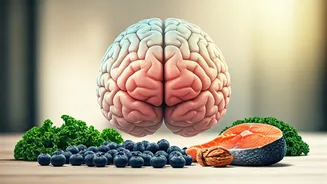








Fatty Fish Power
Nourishing your brain starts with incorporating fatty fish into your weekly meals. These aquatic gems are packed with omega-3 fatty acids, a type of healthy
fat renowned for its potent anti-inflammatory qualities. Think about including varieties like salmon, grouper, and halibut in your diet. Neurologists often advocate for choosing wild-caught fish whenever possible, as they generally offer superior health advantages compared to their farmed counterparts. The reasoning behind this preference is that wild fish consume a more natural and diverse diet, free from the potentially less desirable feeds found in aquaculture. By making fatty fish a regular part of your intake, you're providing your brain with essential building blocks for optimal function and protection against inflammation.
Embrace Leafy Greens
Don't underestimate the power of green vegetables for both your body and brain. Leafy greens are nutritional powerhouses, offering a wealth of fiber, folate, lutein, and beta-carotene, all vital for cognitive well-being. Instead of relying on costly supplements, consciously integrate these vibrant vegetables into your daily meals. Options like bok choy, asparagus, and broccolini are excellent choices. For maximum nutrient absorption, consider preparing them through steaming, blanching, or light sautéing. A simple preparation involving olive oil, a touch of salt added at the end of cooking, and roasted garlic can enhance their flavor and benefits. Asparagus, while not strictly leafy, is particularly beneficial due to its quick cooking time and high fiber content. This fiber plays a crucial role in maintaining a healthy gut microbiome, which in turn has a positive ripple effect on overall brain function and health.
Tomato Antioxidant Boost
Red, ripe tomatoes are more than just a delicious addition to your meals; they're a significant ally for your brain's health. These vibrant fruits are an exceptional source of lycopene, a potent antioxidant closely related to beta-carotene. Antioxidants function as essential defenders within the body, actively combating inflammation and oxidative stress. By neutralizing harmful free radicals, they help to safeguard brain cells from damage and potentially prevent neurodegenerative processes. Whether you enjoy them fresh in salads, stewed into a quick sauce for proteins, or paired with mozzarella and basil as a delightful appetizer, tomatoes offer remarkable versatility and protective benefits for your cognitive system.
Walnuts and Berries Unite
Swap out unhealthy afternoon snacks for a power-packed combination of walnuts and berries. Walnuts stand out as one of the premier foods for brain health due to their exceptional nutrient profile. Among all nuts, walnuts boast the most favorable ratio of omega-3 to omega-6 fatty acids, often referred to as 'good fats' versus 'bad fats.' Blueberries, another brain-boosting marvel, are rich in flavonoids. These compounds are potent antioxidants and anti-inflammatory agents that can help mitigate the detrimental effects of stress on the brain. Combining walnuts and berries, perhaps in an overnight steel-cut oats breakfast with a drizzle of honey or maple syrup and a pinch of salt to enhance flavor, provides a sustained energy release and a concentrated dose of cognitive-enhancing nutrients.
Coffee and Tea Benefits
Your daily ritual of coffee or tea offers more than just a wake-up call; it contributes significantly to brain health. Teas, essentially dried whole plants, are abundant in phytonutrients that can markedly improve brain metabolism. Coffee beans, which are dried and roasted berries, share similar benefits. Both beverages are rich in flavonoids, which can contribute to better glycemic control, a factor important for overall health and brain function. Furthermore, the caffeine present in coffee and tea is known to enhance concentration and may reduce the risk of dementia. However, it's important to consume these beverages in moderation to reap their benefits without adverse effects.