





What Are Palpitations?
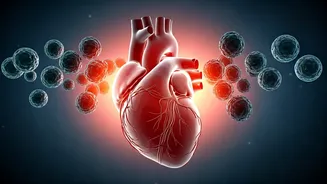
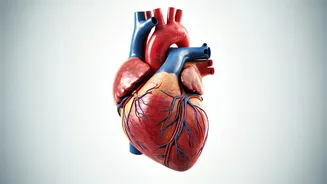
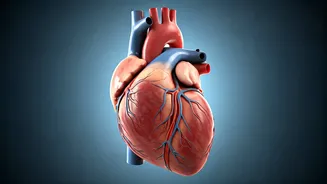
Heart palpitations are typically described as the feeling of your heart skipping a beat, fluttering, or racing. These sensations can manifest in different
ways. Some individuals might perceive a pounding feeling, as if their heart is trying to leap out of their chest, while others could feel a flip-flopping sensation. The intensity and duration of these palpitations can also vary. Sometimes, they are brief and mild, lasting only a few seconds, whereas, in other cases, they can persist for several minutes or even hours, causing considerable discomfort and worry. It is important to note that heart palpitations are not always indicative of a serious underlying condition, but they can sometimes signal a more significant health problem. Understanding these various manifestations is the initial step toward addressing and potentially managing them effectively.
Common Trigger Factors
Several factors can trigger heart palpitations. Physical exertion or intense exercise is a common trigger, as the heart works harder to pump blood. Stress and anxiety are also well-known culprits. When under stress, the body releases hormones that can increase heart rate and cause palpitations. Caffeine and nicotine are stimulants that can have similar effects, leading to an increased heart rate. Certain medications, including some over-the-counter drugs and prescription medications, may also contribute to palpitations. Additionally, hormonal changes, such as those experienced during menstruation or menopause, can sometimes trigger these sensations. Even underlying medical conditions, such as thyroid disorders or electrolyte imbalances, can play a role in initiating palpitations. Recognizing these potential triggers helps in identifying and managing heart palpitations.
Underlying Medical Issues
In some instances, heart palpitations are associated with underlying medical conditions. Arrhythmias, which are irregular heartbeats, are a significant cause. These can range from mild to life-threatening. Thyroid disorders, particularly hyperthyroidism (an overactive thyroid), can lead to an elevated heart rate and palpitations. Structural heart problems, such as heart valve issues or cardiomyopathy, may also trigger palpitations. Furthermore, conditions affecting the electrolyte balance in the body, like hypokalemia (low potassium), can cause heart rhythm disturbances. In rare cases, heart palpitations can be a symptom of a more serious condition. Therefore, it is essential to consult a healthcare professional to identify and address any underlying medical causes for the palpitations.
When to Seek Help?
Determining when to seek medical attention for heart palpitations is crucial. If palpitations are accompanied by symptoms like chest pain, shortness of breath, dizziness, or fainting, immediate medical help is necessary. These symptoms could indicate a serious heart problem. Similarly, if palpitations are frequent, persistent, or worsening, a healthcare professional should be consulted. Even if palpitations occur without other symptoms, a medical evaluation is recommended if there is a family history of heart disease or sudden cardiac death. Medical guidance can help determine the underlying cause and determine whether further investigation, such as an electrocardiogram (ECG) or other diagnostic tests, is necessary. Prompt evaluation can assist in preventing more severe complications.
Diagnosis and Testing
Diagnosing heart palpitations typically begins with a thorough medical history and physical examination. The healthcare provider will ask detailed questions about the frequency, duration, and associated symptoms of the palpitations, along with your lifestyle, diet, and any medications you are taking. An electrocardiogram (ECG or EKG) may be performed to monitor the heart's electrical activity. This test can detect any abnormalities in heart rhythm. A Holter monitor, a portable device that records the heart's activity over 24-48 hours or even longer, might also be used to capture palpitations that don't occur frequently. Additionally, other tests like an echocardiogram (an ultrasound of the heart) or blood tests to check for thyroid disorders or electrolyte imbalances might be ordered, depending on the individual circumstances and the preliminary findings.
Lifestyle and Management
Several lifestyle modifications can help manage and reduce the frequency of heart palpitations. Limiting or avoiding stimulants such as caffeine and nicotine is often beneficial, as these can trigger palpitations. Managing stress through relaxation techniques like deep breathing, meditation, or yoga can also be effective. Maintaining a healthy diet, ensuring adequate hydration, and getting enough sleep contribute to overall cardiovascular health. Regular, moderate exercise, after consulting a physician, can strengthen the heart and improve overall well-being. Furthermore, it is essential to be aware of the medications you're taking, as some might contribute to palpitations. Consulting a healthcare provider for personalized recommendations is important, as management strategies will vary based on individual circumstances and the underlying causes of the palpitations.