
Protein: The Basics
Protein is a crucial nutrient for the human body, serving as the fundamental building block for cells and tissues. It plays a significant role in various
functions, including muscle growth and repair, enzyme production, and hormone synthesis. Often, many misconceptions surround protein, leading people to believe myths that may be hindering their progress towards a healthier lifestyle. A functional medicine and biohacking coach has come forward to address some of the most prevalent protein myths, offering evidence-based information to dispel these fallacies. Understanding the true nature of protein allows one to make better dietary choices, leading to an improved overall health and fitness journey. This section aims to explain the essence of protein and emphasize its importance in various bodily functions.
Myth 1: Excess Protein Damages Kidneys
One of the most widespread myths is that consuming excessive amounts of protein can harm the kidneys. However, the evidence is not very straightforward. While high protein intake might pose challenges for individuals with pre-existing kidney conditions, there's no strong evidence to suggest that it causes kidney damage in healthy individuals. The kidneys are designed to filter waste products from the blood, and in the case of protein consumption, they process the byproducts of protein metabolism. The coach suggests that healthy kidneys are well-equipped to manage the extra workload associated with a high-protein diet. However, if one has an existing kidney problem, it is best to consult with a healthcare professional regarding their protein intake. It is important to note that the impact of protein on kidney health depends on individual health status.
Myth 2: Protein Needs Are High
Another common misconception is that everyone needs to consume vast amounts of protein to build muscle. While protein is crucial for muscle development, the exact requirement varies depending on individual factors like activity level, body composition, and overall health. The coach clarifies that the recommended daily allowance (RDA) for protein is 0.8 grams per kilogram of body weight for sedentary adults. Athletes and those engaged in intense physical activity may need more, typically between 1.2 to 2.0 grams per kilogram. However, consuming excess protein beyond what the body needs is not necessarily beneficial, as the extra protein cannot be stored efficiently and might be converted into other nutrients or eliminated by the body. Therefore, assessing the specific protein requirements is a crucial aspect for optimal results.
Myth 3: Protein Shakes Are Essential
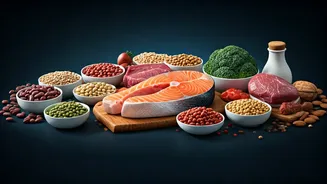
Protein shakes have gained massive popularity, leading to a belief that they are crucial for achieving fitness goals. The coach states that protein shakes can be a convenient way to supplement protein intake, particularly for those with busy schedules or difficulty meeting their protein needs through whole foods. However, they are not strictly essential for muscle growth or weight loss. The body can efficiently obtain the necessary protein from various whole food sources, such as lean meats, poultry, fish, eggs, dairy, legumes, and nuts. A balanced diet incorporating these whole foods can provide all the protein required for muscle building and overall health. Protein shakes should be considered as a supplement rather than a compulsory element.
Myth 4: All Protein Sources Equal
Not all protein sources are created equal. Different protein sources have varying amino acid profiles and bioavailability, which impacts their effectiveness in the body. The coach emphasizes that animal-based proteins are complete proteins, meaning they contain all the essential amino acids that the body cannot produce on its own. Plant-based proteins may lack one or more of these essential amino acids, hence, it is essential to combine different plant-based sources to ensure a complete amino acid profile. Furthermore, the overall nutritional quality of the protein source matters, as it affects the absorption and utilization of protein. Considering the source and nutritional content of protein sources can affect one's overall health and well-being.
Myth 5: High-Protein Diets Cause Weight Gain
Many believe that high-protein diets lead to weight gain. The coach clarifies that protein itself does not directly cause weight gain; the overall calorie intake does. High-protein diets can be effective for weight management because protein helps increase satiety, leading to reduced calorie intake. It also has a high thermic effect, which means the body burns more calories to digest and metabolize it. However, if one consumes more calories than their body burns, regardless of the macronutrient composition of the diet, weight gain is inevitable. Therefore, it is important to focus on the overall calorie balance, considering factors like portion sizes and the consumption of nutritious, whole foods. Protein can be a beneficial part of a weight-loss plan when combined with appropriate calorie control and physical activity.
Myth 6: Protein is Only for Muscles
The coach explains that protein is not just for muscle growth; it plays an important role in various bodily functions. Protein is critical for cell repair and growth. It produces enzymes and hormones, helps in maintaining healthy skin, hair, and nails. Adequate protein intake supports the immune system, by helping with the production of antibodies. Insufficient protein intake can lead to a host of health problems. It is, therefore, crucial to ensure sufficient protein intake for optimal health and well-being. Protein plays a role far beyond the realm of muscle building, and its importance should not be underestimated.
Myth 7: Time of Protein Intake Matters
Many people believe that the timing of protein intake, particularly around workouts, is critical for muscle growth. While consuming protein after a workout might aid in muscle repair and recovery, the coach points out that the overall daily protein intake is more important than the exact timing of the protein consumption. The body can use protein at any time, but if the total protein intake for the day is insufficient, timing alone will not make a significant difference. Furthermore, the body has a finite capacity to use protein at any given time, so consuming excessive protein immediately after a workout won't result in additional benefits. The focus should be on meeting overall protein needs throughout the day, and the timing can be more flexible depending on one's preference and schedule.