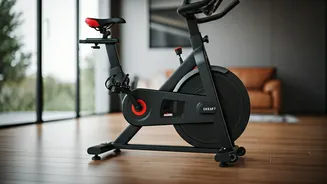







Heart-Healthy Cycling Benefits
Cardiothoracic surgeon Dr. Shriram Nene recently shared an inspiring post on Instagram, featuring himself on a stationary bike with the caption, "Just
pedaling my way to a happier heart." This simple act highlights the profound impact of consistent, low-impact cardiovascular exercise. Experts emphasize that stationary cycling is an excellent form of aerobic activity that effectively elevates heart rate, enhances blood circulation throughout the body, and contributes to a stronger heart muscle. When engaged in regularly, this activity can lead to marked improvements in overall cardiovascular fitness, helping to regulate blood pressure, optimize cholesterol levels, and manage weight. These combined effects are crucial in diminishing the likelihood of developing heart disease, making the humble exercise bike a powerful tool for proactive heart care.
Low-Impact Exercise Advantages
One of the standout benefits of utilizing a home exercise bike is its inherently low-impact nature. This characteristic means that the exercise places minimal stress on crucial joints like the knees and hips, offering a significant advantage over more jarring activities such as running. Consequently, stationary cycling is frequently recommended for individuals who may be more susceptible to joint strain, including older adults, those managing excess weight, and even certain cardiac patients as part of a structured rehabilitation or fitness regimen. This gentle approach allows for sustained activity without the heightened risk of injury, making it an accessible option for a broad spectrum of users seeking to improve their physical well-being.
Achieving Fitness Goals
Even dedicating as little as 20 to 30 minutes each day to moderate stationary cycling can yield substantial improvements in heart health. Beyond the physical benefits, this consistent activity also plays a vital role in managing stress, a significant contributor to cardiovascular issues. The paramount principle here is regularity over extreme intensity; establishing small, manageable habits like daily cycling can profoundly protect your heart and elevate your overall sense of well-being. Health guidelines generally advise adults to aim for a minimum of 150 minutes of moderate-intensity aerobic exercise weekly, and a home exercise bike offers a practical and convenient avenue to meet this target.
Maximizing Workout Effectiveness
While stationary cycling offers numerous advantages, it's important to acknowledge its limitations to ensure a comprehensive fitness approach. Primarily, cycling engages the lower body muscles most effectively, meaning it may not provide a complete, balanced workout on its own. To achieve full-body conditioning, it's advisable to integrate strength training, flexibility exercises, and core-strengthening activities into your routine. Furthermore, improper setup, such as incorrect posture or seat height, or excessive resistance, can inadvertently lead to knee discomfort or lower back issues. Therefore, ensuring the bike is correctly adjusted and ideally incorporating stationary cycling as part of a broader fitness plan that includes warm-ups, muscle strengthening, and flexibility, is key to a safe and effective exercise experience.