





Viral Rumors vs. Reality
In recent times, distressing reports linking watermelon consumption to fatalities have circulated widely, sparking significant public apprehension, particularly
after incidents surfaced in Mumbai and Chhattisgarh. These narratives, amplified by social media trends and shared videos, have instilled a fear of eating this popular summer fruit. However, medical professionals are quick to dismiss these fears, asserting that watermelon, in its natural state, poses no inherent danger. Experts emphasize that the perceived risks are overwhelmingly attributable to external factors such as microbial contamination, inadequate storage conditions, or the consumption of fruit that has deteriorated. Therefore, the panic surrounding watermelon as a dangerous entity is largely a misunderstanding, based on misinformation rather than scientific evidence regarding the fruit's inherent properties.
Root Causes of Illness
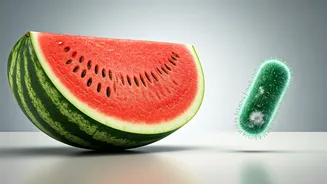
The primary reason behind health issues allegedly connected to watermelon lies not within the fruit's composition but in how it is handled and preserved. During the sweltering summer months, watermelons are frequently offered by roadside vendors and can remain exposed to elevated temperatures for extended periods, especially after being cut. This environment is conducive to the proliferation of harmful bacteria like E. coli and Salmonella. If unhygienic practices are employed, these microorganisms can easily infiltrate the fruit's flesh, leading to food poisoning. The symptoms of such foodborne illnesses can range from distressing vomiting and diarrhea to intense abdominal discomfort, acidity, and stomach cramps, underscoring the critical importance of cleanliness and proper handling.
Understanding Fruit Fermentation
Recent online discussions have been further fueled by videos showcasing watermelons that appear to release a foamy substance when cut. This phenomenon, while visually unsettling, is typically indicative of internal fermentation and spoilage rather than the presence of artificial agents or toxins. Overripe fruits or those with subtle, unnoticeable cracks are more susceptible to bacterial or yeast growth. This internal activity can lead to fermentation, which generates gases, manifesting as the observed frothy liquid. Medical experts strongly advise against consuming any fruit that exhibits unusual foam, an off-putting smell, or an altered texture, as these are clear signals of deterioration and potential health hazards.
Safe Consumption Guidelines
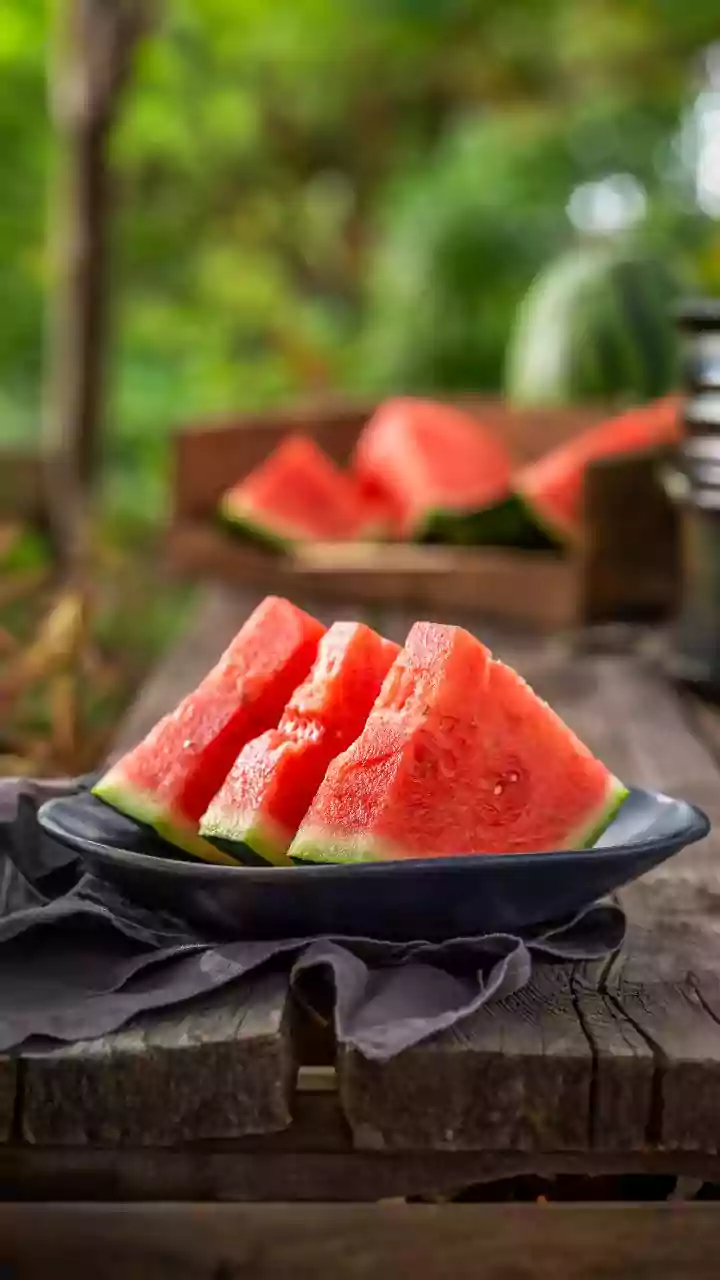
Health authorities universally agree that watermelon remains an exceptionally beneficial and hydrating fruit, particularly during the intense heat of Indian summers. The key to enjoying it without risk lies in adhering to basic food safety practices. Instead of succumbing to online misinformation, individuals should prioritize hygiene. Essential precautions include thoroughly washing the watermelon's exterior before slicing, avoiding pre-cut fruit sold openly, and opting for freshly prepared portions over those that have been stored. Utilizing clean utensils and cutting surfaces, along with prompt refrigeration of cut pieces, are also crucial steps. Furthermore, purchasing from reputable vendors and inspecting the fruit for any external blemishes before buying can further mitigate potential risks.
When to Discard Fruit
Recognizing the signs of spoilage is paramount to preventing illness. Watermelon should be immediately discarded if it exhibits any of the following characteristics. A sour or unusual odor is a strong indicator that the fruit has begun to deteriorate. The presence of foam or gas escaping from the fruit also signals internal fermentation and spoilage. Furthermore, if the texture feels slimy, the flesh is unusually mushy, or the overall appearance deviates significantly from what is expected, these are critical warning signs. Such visible abnormalities are not to be overlooked and serve as clear alerts that the watermelon is no longer safe for consumption.