
Defining Stress
Stress, often underestimated, manifests in diverse ways. It can be categorized into various forms, ranging from everyday pressures to more severe, long-term
conditions. Recognizing these different types is the initial stride toward managing them. Understanding the multifaceted nature of stress allows one to better identify personal triggers and begin employing appropriate coping mechanisms. The types of stress can be broadly categorized. Acute stress is the most common form, arising from immediate demands and often vanishing quickly. Episodic acute stress involves frequent acute stress episodes, leading to a feeling of being constantly overwhelmed. Chronic stress, however, persists over a long duration and stems from prolonged exposure to stressful situations, posing the greatest health risks. Each type of stress carries a unique profile of symptoms and consequences, making it crucial to assess the nature and origin of personal stress to effectively mitigate its effects. These may include stress from work, financial difficulties or health problems.
Understanding the Impact
The detrimental effects of stress extend beyond psychological discomfort, significantly impacting physical health. This section examines the specific ways stress influences the cardiovascular system. When stress occurs, the body releases hormones like cortisol and adrenaline, which initiate the 'fight or flight' response. While this response is beneficial in short-term crises, chronic stress keeps these hormones elevated, causing several harmful changes. These changes can increase heart rate and blood pressure, leading to the potential for damaged blood vessels and raised cholesterol levels. Over time, prolonged stress can escalate the risk of heart disease, heart attacks, and strokes, making it a critical health concern, particularly in the long term. This underscores the importance of actively managing stress to safeguard cardiovascular well-being. Regular checkups and monitoring of heart health indicators, such as blood pressure and cholesterol, are also essential in early detection and management of stress-related impacts on the heart.
Stress and the Heart
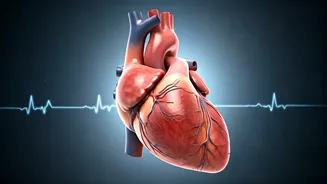
The relationship between stress and heart health is direct and deeply interconnected. Stress can initiate a cascade of physiological responses that directly impact the heart's function. The sustained release of stress hormones increases the workload on the heart, making it work harder. Increased heart rate and blood pressure place additional strain on the heart, over time leading to damage. Furthermore, stress can contribute to unhealthy lifestyle choices, such as poor diet, lack of exercise, and increased consumption of alcohol and tobacco, all of which are detrimental to heart health. Chronic stress is linked to a higher risk of inflammation in the body, which can damage the arteries. By directly impacting the heart and indirectly through lifestyle choices, stress becomes a significant factor in the development of cardiovascular diseases. Therefore, understanding and addressing stress is a crucial part of any strategy aimed at maintaining a healthy heart.
Coping Strategies Emerge
Effectively managing stress involves a multifaceted approach that includes various techniques and lifestyle adjustments. Implementing these strategies is essential for preventing the negative impacts of stress on both physical and mental well-being. Regular physical activity, such as brisk walking, yoga, or any exercise you enjoy, is a powerful stress reliever. Physical activity helps to release endorphins, the body's natural mood boosters, which improve your mood. Practicing mindfulness and meditation can help in developing a greater awareness of present moments, reducing feelings of anxiety. Maintaining a balanced diet rich in whole foods and limiting processed foods, sugar, and excessive caffeine can stabilize mood and energy levels. Sufficient sleep, between 7-9 hours per night, allows the body to repair itself and manage stress more effectively. Building a strong social support network is also key, as connecting with friends and family provides a buffer against stress. Learning to say 'no' to extra commitments and setting realistic goals can reduce the feeling of being overwhelmed. Relaxation techniques, such as deep breathing or progressive muscle relaxation, are also beneficial.
Practical Approaches
Applying effective coping mechanisms is key to stress management. Start by integrating stress-reduction techniques into your everyday routines. Begin with time management, breaking down large tasks into smaller, manageable steps to avoid feeling overwhelmed. Practice deep breathing exercises when you feel stressed, inhaling deeply and exhaling slowly to calm your nervous system. Mindfulness meditation, even for a few minutes daily, can improve your focus and reduce anxiety. Engage in regular physical activity. Prioritize sleep; create a relaxing bedtime routine to help you sleep. Foster healthy eating habits. Socialize and seek support from loved ones when needed. Create a balanced lifestyle where work and relaxation are appropriately separated. If stress feels unmanageable, consider seeking professional help from a therapist or counselor. They can offer tailored strategies and support to navigate stressful situations.