



Color & Appearance Clues
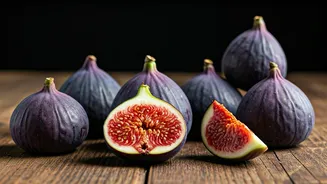
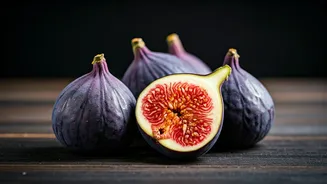
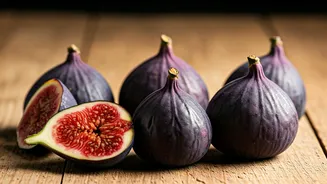
When you're at the market, the visual cues of anjeer, or figs, are your first indicator of quality. Look for fruits that sport a pleasant light brown or golden-brown
hue. These colors typically signify ripeness and natural sweetness. Conversely, anjeer that appears excessively dark, dull, or even displays black spots might suggest it's past its prime or hasn't been stored correctly, potentially leading to a less enjoyable taste and texture. An even coloration across the fig, free from noticeable cracks or signs of extreme dryness, is a strong sign that you're picking a premium product, promising a delightful eating experience.
Aroma & Natural Sweetness
Beyond just looking good, the aroma of anjeer offers vital clues about its freshness and inherent sweetness. A truly ripe and sweet fig will often emit a light, pleasant, and natural fragrance. If you have the opportunity to smell loose figs before buying, this natural scent is a positive sign. On the other hand, if the figs lack any discernible aroma or, worse, carry a sour or fermented smell, it's best to steer clear, as these are indicators of low quality or spoilage. Since natural sweetness is a key characteristic, be wary of figs that seem unnaturally sweet, as they might have had added sugar, which is less desirable than their intrinsic sweetness.
Inside Story: The Seeds
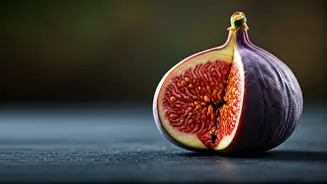
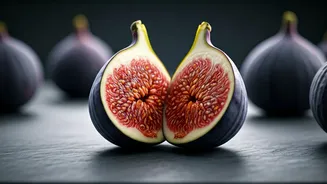
A fascinating way to gauge the quality of anjeer is by examining its internal structure, specifically the seeds. When a fig is properly developed and of good quality, breaking it open should reveal a rich, dense interior filled with numerous seeds. These seeds are not just a visual characteristic; they contribute significantly to the fig's texture and nutritional profile, adding to its overall appeal. A fig that appears dry and hollow on the inside, lacking this characteristic seed-filled richness, is often a sign of a lower-grade fruit that might be less flavorful and have a less satisfying mouthfeel.
Texture & Softness Check
The feel of the anjeer is paramount in determining its freshness and sweetness. High-quality figs should possess a soft, slightly spongy texture. You should be able to gently press them and feel a bit of give, indicating they are ripe and retain adequate moisture. If the anjeer feels hard, dry, and unyielding to the touch, it's a strong indication that it has lost its moisture content or has been stored for an extended period. While dried figs naturally have less juice than fresh ones, they should still not be rock-hard; a slight stickiness can even be a positive sign of ripeness and sweetness.
Storage Conditions Matter
How the anjeer has been stored significantly impacts its quality, taste, and nutritional value. Ideally, figs should be kept in a cool, dry environment, protected from direct sunlight, which can degrade their quality. When shopping, pay attention to how the figs are presented. Those stored in clean, properly sealed containers are generally a better choice. This careful storage helps prevent damage, protects against excessive moisture loss or gain, and minimizes the risk of spoilage, ensuring you get figs that are fresh and well-preserved.
Why Quality Anjeer Counts
Selecting superior quality anjeer is about more than just enjoying a tastier snack; it's also crucial for reaping their full health benefits. Figs are packed with essential dietary fiber, vital vitamins, and important minerals that contribute to overall well-being. However, if the figs are stale or of poor quality, these nutritional advantages can be significantly diminished. Furthermore, consuming subpar figs might even negatively impact your digestive system. Choosing wisely ensures you get the maximum goodness and enjoy the delightful taste and texture that only the best anjeer can offer.