







Mindful Consumption First
The most effective way to combat the mounting waste problem is to prevent its creation from the outset. Instead of frequent purchases of items, especially
those with a short lifespan or driven by fleeting trends, focus on acquiring high-quality, durable products. This approach not only minimizes the frequency with which items are discarded but also reduces the overall volume of waste generated. Research indicates that extending the usability of products, even clothing, by a modest period can drastically decrease their environmental impact, including carbon emissions, water usage, and waste. By prioritizing longevity and quality over quantity, individuals can significantly lessen the amount of refuse that ultimately ends up in landfills, contributing to a more sustainable consumption pattern.
Master Waste Segregation
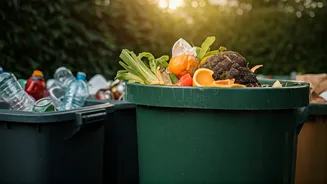
A substantial portion of recyclable materials in India is lost to landfills simply because it gets mixed with organic matter and other non-recyclable waste. This contamination renders the recyclables unusable by processing facilities. Cultivating the habit of segregating waste at home is a powerful individual action. By keeping wet waste (like food scraps), dry waste, and recyclables in separate bins, you enable efficient processing and recovery. Studies conducted in Indian urban areas demonstrate that enhanced awareness and straightforward segregation systems can lead to a remarkable increase in recycling rates. Without this crucial step, even the 17% of waste that is inherently recyclable often finds its way to landfills, representing a missed opportunity for resource recovery.
Embrace Reusables Daily
Single-use items, predominantly plastic bags, bottles, and packaging, pose a persistent environmental challenge. Though used for mere minutes, these items persist in the environment for centuries. India grapples with an immense volume of plastic waste annually, a significant fraction of which accumulates in landfills. Opting for reusable alternatives, such as a cloth shopping bag or a personal water bottle, can have a profound impact. Furthermore, consider transitioning from disposable plastic utensils to durable metal alternatives and investing in stainless steel lunchboxes. While these may seem like minor adjustments, collectively they contribute to a substantial reduction in the reliance on disposable products and the associated waste burden.
Compost Organic Matter
Organic waste, comprising food scraps and paper, constitutes nearly half of typical household refuse. When this organic material is sent to landfills, it decomposes anaerobically, generating methane, a potent greenhouse gas significantly more harmful than carbon dioxide. Transforming kitchen waste into compost, either at a household level or through community initiatives, effectively converts waste into nutrient-rich soil, thereby preventing pollution. This practice offers a simple yet effective method for repurposing waste into a valuable resource while simultaneously alleviating the pressure on landfill sites. Research substantiates that composting can curtail emissions from organic waste by as much as 78%, positioning it as a highly impactful strategy for households to adopt.
Curate a Conscious Wardrobe
The issue of textile waste is escalating, with millions of tonnes of clothing being discarded globally each year. In India, a substantial amount of textile waste is generated annually, a large proportion of which ultimately ends up in landfills. Fostering a 'conscious closet' approach helps divert textiles from landfill sites and promotes a lifestyle of sustainability. This involves purchasing fewer garments, selecting items of superior quality, mending existing clothing rather than replacing it, and donating items that are no longer needed. Even minor behavioral changes, such as extending the wear life of clothing, can lead to a significant reduction in waste generation from the fashion industry.