






When Separate Is Better
Traveling together, especially for couples, often comes with unspoken expectations of shared experiences. However, sometimes individual needs diverge significantly.
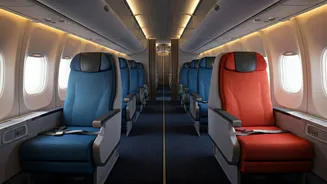
One partner might crave quiet downtime to catch up on a favorite show, while the other is eager for stimulating conversation or simply needs to rest. Forcing proximity when desires clash can lead to silent resentment or outright arguments. The article introduces a novel solution called a 'seat divorce,' a straightforward technique that involves intentionally choosing different seats for the duration of a flight. This isn't about distancing oneself from a partner permanently, but rather a tactical maneuver to ensure personal comfort and avoid unnecessary friction during a potentially taxing journey. The author shares a personal anecdote where exhaustion and a desire for sleep clashed with a partner's enthusiasm for deep discussion, highlighting the immediate relief found by opting for separate seating. This initial experience revealed that many couples have already adopted this practice, finding it a welcome respite that allows them to pursue their individual travel preferences without compromising their partner's peace or their own sanity.
The Psychology of Compromise
The act of consistently compromising while traveling can have a cumulative effect on a relationship, according to Dr. Anitha Chandra, a consultant psychiatrist. When one partner repeatedly acquiesces to the other's preferences, it can subtly foster feelings of imbalance and being undervalued, leading to frustration over time. Travel itself is a crucible for relationships, presenting numerous potential stressors like flight delays, crowded terminals, and unexpected itinerary changes, all of which can heighten irritability. While minor sacrifices are a natural part of any partnership, the ideal scenario involves equitable distribution of effort and compromise. Open communication is paramount, ensuring both individuals feel heard and respected. Recognizing and acknowledging each other's efforts in adjusting builds a foundation of trust and fairness, ultimately strengthening the bond. Dr. Chandra suggests that in specific instances, a temporary separation of seating arrangements can actually serve to alleviate travel-related stress for both individuals, making the journey more pleasant.
Making 'Seat Divorce' Work
Choosing to sit apart during a flight does not inherently signify a weakening of the relationship; rather, it can be a pragmatic choice aimed at enhancing individual comfort and reducing the collective stress of travel. For this arrangement to be successful and mutually beneficial, open dialogue between partners is essential. Both individuals must feel comfortable and agreeable with the decision. It's crucial to approach the concept without blame, framing it as a temporary and practical solution rather than a rejection. The goal is to ensure that the 'seat divorce' doesn't inadvertently create feelings of neglect or misunderstanding. By approaching this strategy with mutual understanding and a degree of flexibility, couples can effectively leverage separate seating to enjoy their journeys more peacefully, ultimately reuniting at the journey's end with their relationship intact and perhaps even strengthened by the shared experience of a more relaxed travel adventure.