





Remembering the Crucifixion
Good Friday stands as a pivotal moment in the Christian calendar, a day set aside for profound reflection on the crucifixion of Jesus Christ. Situated
within Holy Week, it immediately precedes the joyous celebration of Easter Sunday. While many observe it as a public holiday, its essence is not one of gaiety but of deep mourning, introspection, and spiritual discipline. The question often arises: why is a day marked by such sorrow referred to as "Good" Friday? For adherents of the faith, this day signifies the ultimate sacrifice, where Jesus is believed to have borne the sins of humanity upon the cross, a central tenet of Christian belief and a profound act of love and atonement.
Theological Significance
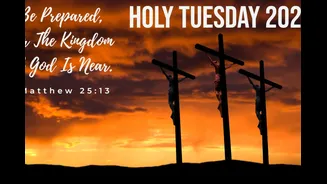
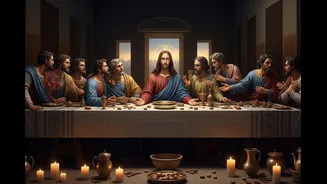
The core of Good Friday's remembrance revolves around the biblical accounts of Jesus' arrest, his subsequent unjust trial, the brutal scourging he endured, and his ultimate death on the cross at Calvary. According to Christian scripture, Jesus was apprehended following the Last Supper. He was then condemned by Roman authorities, compelled to carry his own cross, and ultimately crucified between two other individuals. The Gospels describe his suffering lasting for several hours. A significant detail noted is the supernatural darkness that enveloped the land at the moment of his death, accompanied by the tearing of the temple curtain in Jerusalem. This event is interpreted as a symbolic representation of the dissolution of the barrier between God and humankind. For believers, this tragic execution is not merely a historical event but a divine turning point where God's perfect love and unwavering justice converge, offering a path to salvation.
The "Good" in Good Friday
The term "Good" Friday often sparks curiosity, given the day's association with immense suffering. Christian theology explains that the word "good" points towards the positive and salvific outcomes of Jesus' death. It signifies the provision of forgiveness for sins, reconciliation between God and humanity, and the establishment of a pathway to eternal life. Rather than simply a day of sorrow, Good Friday is understood as a profound moment of hope and the genesis of new beginnings, intrinsically linked to the subsequent celebration of the Resurrection on Easter Sunday. It is a cornerstone of Christian doctrine, emphasizing redemption through sacrifice.
Observances and Traditions
Due to its grave theological importance, Good Friday is observed through quiet, prayerful rituals rather than boisterous celebrations. Across the globe, Christians participate in special church services that often include the recitation of the "Stations of the Cross" and readings of the Passion of Christ. Many individuals and families choose to fast or abstain from consuming meat on this day, dedicating their time to meditation and quiet contemplation. The day is viewed as a sacred pause, a time for deep spiritual engagement and a profound connection with the sacrifices made, rather than a festive occasion. These practices underscore the solemnity and reverence associated with this significant day in the Christian faith.