
Scalp's Delicate Balance
The scalp, much like the skin elsewhere on the body, acts as a crucial barrier. Its job is to protect against external aggressors while retaining essential
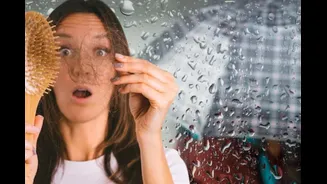
moisture. This protective function is highly dependent on a balanced environment, a state frequently disrupted by environmental factors like hard water and cold, dry air. Hard water, rich in minerals, can leave residue on the scalp, which in turn leads to a disruption of the scalp's natural pH level. This shift can weaken the scalp's defenses. Similarly, cold and dry air further exacerbates the problem by depleting the scalp's moisture. This combination of factors can compromise the scalp barrier function, resulting in dryness, irritation, and, ultimately, hair fall. Maintaining the scalp's natural balance is thus essential for overall hair health.
Hard Water's Impact
Hard water presents a significant challenge to scalp health. The high mineral content, primarily calcium and magnesium, can interact with the scalp's natural oils. This process leads to the formation of mineral deposits, causing the scalp to become dry, itchy, and irritated. The buildup of these minerals can also clog hair follicles, hindering the natural growth cycle and potentially leading to hair fall. Furthermore, hard water can interfere with the efficacy of shampoos and conditioners, making it difficult to properly cleanse the scalp and hair. The disruption of the scalp's natural pH, a consequence of the mineral buildup, further weakens the scalp barrier, leaving it vulnerable to external irritants. Switching to a water softener can be an effective solution.
Cold Air's Drying Effects
Cold, dry air, especially during winter months, significantly impacts scalp health by reducing moisture levels. The harsh weather conditions deplete the scalp of its natural oils, which are crucial for maintaining hydration and protection. This lack of moisture causes the scalp to become dry, flaky, and prone to irritation. The compromised moisture barrier makes the scalp more susceptible to environmental stressors, further exacerbating dryness and potentially leading to increased hair fall. The reduced humidity also contributes to the static electricity, making hair appear frizzy and difficult to manage. Regular moisturizing treatments and protective styling can mitigate these effects, helping to preserve the scalp's health during periods of cold, dry air.
pH Balance: The Solution
Maintaining a balanced pH level is critical for optimal scalp health, and pH-balanced care becomes increasingly important to tackle the issues caused by hard water and cold air. Products with a slightly acidic pH, similar to that of the scalp (around 4.5-5.5), help to maintain the scalp's natural protective barrier. This approach prevents mineral buildup and aids in maintaining the scalp's moisture balance. Using pH-balanced shampoos and conditioners effectively cleanses the scalp without stripping away essential oils, reducing dryness and irritation. These products help to restore the scalp to its ideal pH, allowing it to function optimally. Incorporating these into your hair care routine is an effective way to address the impact of hard water and cold air.
Choosing the Right Products
Selecting the appropriate hair care products is critical for supporting scalp health, especially when dealing with the adverse effects of hard water and cold air. Look for pH-balanced shampoos and conditioners designed for dry or sensitive scalps. These formulations gently cleanse the scalp without harsh ingredients that can further strip away moisture. Products containing moisturizing ingredients such as hyaluronic acid, glycerin, and natural oils are beneficial for adding and retaining hydration. Avoiding products with sulfates, which can be overly drying, is also important. Reading labels and understanding ingredients helps consumers make informed choices. If you live in an area with hard water, consider using a clarifying shampoo periodically to remove mineral buildup, followed by a hydrating conditioner. Proper product selection is key to addressing and reversing the negative effects of harsh environmental conditions.
Beyond Products: Holistic Care
Adopting a holistic approach to scalp care extends beyond the products used. Diet and lifestyle choices significantly affect the health and appearance of both the scalp and hair. Adequate hydration, drinking plenty of water, is essential for maintaining moisture levels throughout the body, including the scalp. A balanced diet rich in vitamins, minerals, and healthy fats supports overall hair health and the scalp's natural functions. Regular scalp massage can stimulate blood flow, which in turn delivers nutrients to the hair follicles, promoting healthy hair growth. Reducing stress levels through techniques like meditation or yoga can also benefit scalp health, as stress can exacerbate dryness and hair fall. Making mindful choices to integrate these practices into daily life can significantly contribute to the overall well-being of the scalp.