






Worker Income Hit
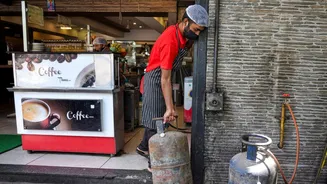
A critical shortage of LPG cylinders is creating substantial challenges for food delivery gig workers in Bhubaneswar and Cuttack, leading to a noticeable
decrease in their daily earnings. With numerous restaurants scaling down operations or temporarily halting online order acceptance due to the scarcity, these delivery partners are experiencing a direct hit on their income. Previously, individuals like Sudarshan Singh managed 15 to 18 deliveries daily, earning approximately Rs 600 after accounting for fuel costs. However, with fewer establishments accepting online orders, this number has plummeted to nine to 10 orders per day, significantly reducing their earning potential. This reduction in delivery volume directly impacts the incentives that form a substantial part of their income, causing considerable worry among the workforce about their financial stability.
Restaurant Operations Affected
The scarcity of LPG cylinders has forced many restaurants in Bhubaneswar and Cuttack to significantly alter their operational strategies. Owners are opting between alternative cooking methods such as electrical appliances or firewood, a shift that, while necessary, impacts efficiency and menu complexity. Pabitra Moharana, a restaurateur, highlighted that to maintain their offline customer base, many establishments are now prioritizing dine-in patrons over online orders. Despite the increased costs and logistical challenges associated with alternative cooking fuels, the prices of dishes have largely remained unchanged, making in-person dining more appealing. This strategic pivot by restaurants directly translates to fewer online orders being available for delivery partners, exacerbating the income challenges faced by gig workers.
Lack of Collective Action
Unlike their counterparts in other Indian states, gig workers in Odisha, specifically in Bhubaneswar and Cuttack, have not yet formed any organized associations or unions. This lack of collective representation means they are unable to effectively approach the government or food delivery platforms to seek assistance or relief measures during this period of crisis. In regions where such unions exist, they have been instrumental in negotiating with food delivery companies and government bodies for support. The absence of a unified voice for delivery partners in Odisha leaves them vulnerable and without a formal channel to address the economic repercussions of the LPG shortage, making it harder to find solutions and advocate for their needs.