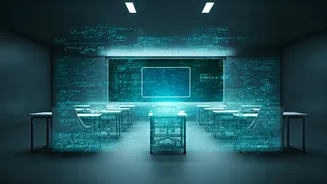

Future of Learning
The realm of education is constantly evolving, with several aspects undergoing significant transformation. One notable trend is the integration of technology,
which is changing how students learn. Digital platforms, interactive software, and online resources are becoming increasingly common in classrooms, providing new opportunities for students to learn at their own pace. Moreover, there's a growing emphasis on personalized learning experiences, tailoring education to meet individual student needs and preferences. This allows for greater engagement and knowledge retention. The focus is also shifting to incorporating skills-based learning. Emphasis is placed on developing practical skills and real-world knowledge. By adopting this approach, students will be better prepared for the workforce.
Technology's Integration
Technology is revolutionizing education, enhancing the ways students learn and teachers teach. Interactive whiteboards, tablets, and educational software are now standard in many classrooms, transforming lessons into engaging experiences. Online learning platforms provide students with flexible access to educational content. These platforms offer virtual classrooms, interactive exercises, and multimedia resources, thereby supporting a diverse range of learning styles. Furthermore, technology facilitates personalized learning by adapting to each student's pace and preferences. Digital tools provide instant feedback, track progress, and enable educators to tailor lessons to individual needs. This customized approach ensures that every student gets the support they need to succeed.
Impact on Students
These changes are profoundly influencing the student experience. With technological advancements, students are now more actively involved in the learning process. The availability of online resources, collaborative tools, and interactive content boosts engagement and knowledge retention. Personalization in education caters to individual needs, allowing students to learn at their own pace and focus on areas where they need the most support. Moreover, the emphasis on practical skills ensures that students will be ready for future careers. Education systems are increasingly focused on developing problem-solving, critical thinking, and creativity, thus equipping students to navigate the complex challenges of the 21st century.
Skills for Tomorrow
The focus in education is now shifting towards developing crucial skills for the future. The emphasis is on building abilities like critical thinking, problem-solving, and creativity. Collaborative projects and group assignments encourage teamwork and communication. These skills are essential in a globalized world. Moreover, educators are integrating technology to prepare students for the digital age. Coding, data analysis, and digital literacy are becoming integral parts of the curriculum. Finally, there's growing importance on lifelong learning and adaptability. Students are encouraged to develop a growth mindset, embracing continuous learning as a key skill for success in an ever-changing world.