






The Baking Basics
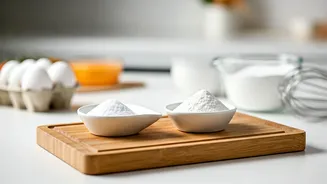
The difference between baking soda and baking powder can make or break your baked goods. Baking soda, a base, and baking powder, which contains a base and an acid,
both contribute to the lift in your baked goods, but through different chemical reactions. The presence or absence of acidic ingredients in your recipe is a key factor in determining which one to use. Mastering these basics can greatly enhance your cooking and baking from the preparation of dhokla to achieving the perfect lightness and texture in pakora batter. Properly using these ingredients ensures that your baked goods rise to perfection, have the right texture, and achieve the desired flavor profile. This knowledge empowers you to adjust flavors, textures, and appearances before your creation even reaches the oven, thus turning mistakes into successes.
What Is Baking Soda?
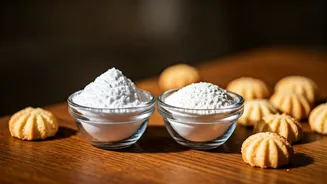
Baking soda, chemically known as sodium bicarbonate, acts quickly in the presence of acid and moisture. When mixed into a batter, the reaction produces carbon dioxide bubbles that cause the batter to rise rapidly. Because baking soda reacts quickly, recipes that call for it are best baked or cooked immediately after mixing. Common acidic ingredients, such as curd, buttermilk, lemon juice, vinegar, honey, natural cocoa, and fruit puree, are required to activate it. A balanced reaction leads to quick aeration and deeper browning. If the reaction isn't balanced, it can result in a harsh, soapy taste or a darker crumb due to increased alkalinity. This quick action is great for many recipes, but the timing is important to ensure a successful outcome in your cooking.
Baking Powder's Role
Unlike baking soda, baking powder already contains baking soda, an acid, and a starch to keep everything stable. Modern baking powders are often double-acting, meaning they release carbon dioxide in two stages: once when the batter is mixed and again when heated in the oven or steamer. This two-stage action delivers a more consistent rise and a more uniform crumb structure. It allows the batter to set before expanding fully, making it ideal for cakes, cupcakes, muffins, and scones. This controlled release helps prevent over-rising or collapsing, resulting in lighter and more evenly textured baked goods. This makes baking powder a reliable choice for achieving consistent results in many of your favourite recipes.
Flavor and Texture
Baking soda and baking powder do more than just make your baked goods rise. Baking soda contributes to deeper colors through alkali-driven browning and can soften sharp acidity in the batter, whereas baking powder focuses on creating structure rather than altering the flavor, supporting a light interior and a delicate crumb. Understanding how each ingredient behaves can help you avoid problems like bitterness, sunken centers, or uneven browning. Baking soda acts like an instant spark, producing immediate lift, while baking powder offers a slow, steady rise, which helps achieve the desired textures and flavors in your final product. This knowledge lets you fine-tune your recipes to get the perfect result every time.
Choosing Wisely
When deciding between baking soda and baking powder, consider your ingredients. If your batter includes acidic components, baking soda is your go-to. If the batter is neutral, baking powder is the safer and often better choice. For a combination of initial lift and oven support, a combination of both might be required. In case of developing bitterness or a harsh flavor, reduce the baking soda or consider adding a little more acidity. Selecting the right leavening agent can make all the difference in achieving the desired results and creating delicious baked goods that impress.