




Natural Fabric Swaps
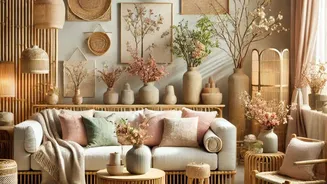
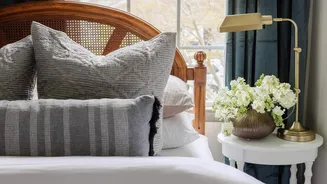
Embrace the beauty and benefits of natural textiles in your home decor. Instead of synthetic materials, opt for breathable fabrics like cotton, linen,
and khadi for your curtains, cushion covers, and upholstery. These choices not only contribute to a healthier indoor environment by improving air quality but also add a touch of organic elegance to your living space. This simple substitution is an accessible way to reduce reliance on man-made materials that can sometimes off-gas and negatively impact your home's atmosphere, while simultaneously enhancing its visual appeal with softer textures and a more natural aesthetic.
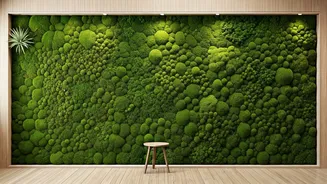
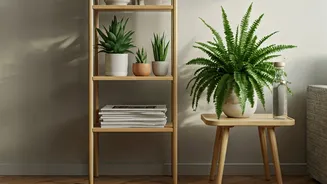
Inviting Indoor Plants
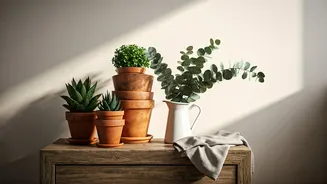
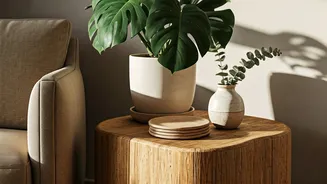
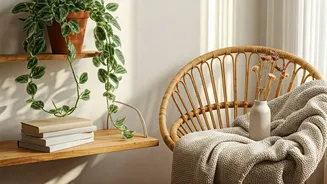
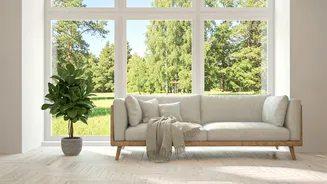
Bring the outdoors in with the simple addition of indoor plants. Beyond their undeniable aesthetic charm, greenery plays a vital role in naturally purifying your home's air. Introducing plants is an incredibly straightforward yet profoundly impactful method for upgrading your living environment. They act as living air filters, absorbing common indoor pollutants and releasing fresh oxygen, creating a more vibrant and healthy atmosphere. This practice is not just about decoration; it's a functional step towards a more sustainable and well-being-focused home, adding life and color effortlessly.
LED Lighting Efficiency
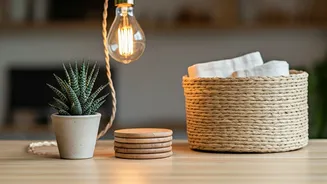
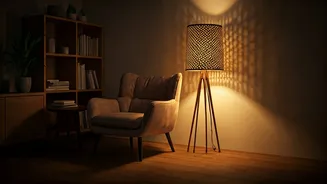
Reconsider your lighting choices to significantly reduce energy consumption and improve your home's environmental impact. Upgrading to LED light bulbs is a key strategy in energy-efficient living. LEDs require considerably less electricity compared to traditional incandescent or fluorescent bulbs, which directly translates to a lower carbon footprint. This not only benefits the planet but also lowers your utility bills. Furthermore, by minimizing the demand for electricity, LED lighting indirectly contributes to a cleaner environment by reducing the strain on power generation, all while providing excellent illumination for your living spaces.
Furniture Restoration Wisdom
Before rushing to buy new, consider the immense value in restoring your existing furniture. This approach offers a more sustainable and often more characterful alternative to purchasing cheap, disposable pieces. A simple polish or refinish can revitalize wooden furniture and decor, breathing new life into old items and preventing them from ending up in landfills. This practice not only saves money but also preserves the craftsmanship and history embedded in older items, contributing to a more mindful consumption pattern. Reviving furniture embraces an ethos of reuse and repair, fostering a deeper appreciation for longevity over novelty.
Local & Handmade Charm
Support local artisans and reduce your environmental footprint by choosing decor items crafted nearby. Opting for locally sourced and handmade goods champions sustainable craftsmanship and socially responsible practices. These pieces often carry a unique charm and superior design, reflecting the culture and heritage of their origin. By patronizing local makers, you not only acquire distinctive decor but also contribute to the economic well-being of your community and minimize the carbon emissions associated with long-distance transportation of goods. It’s a conscious choice that adds authenticity and soul to your home.
Aesthetics Meets Green
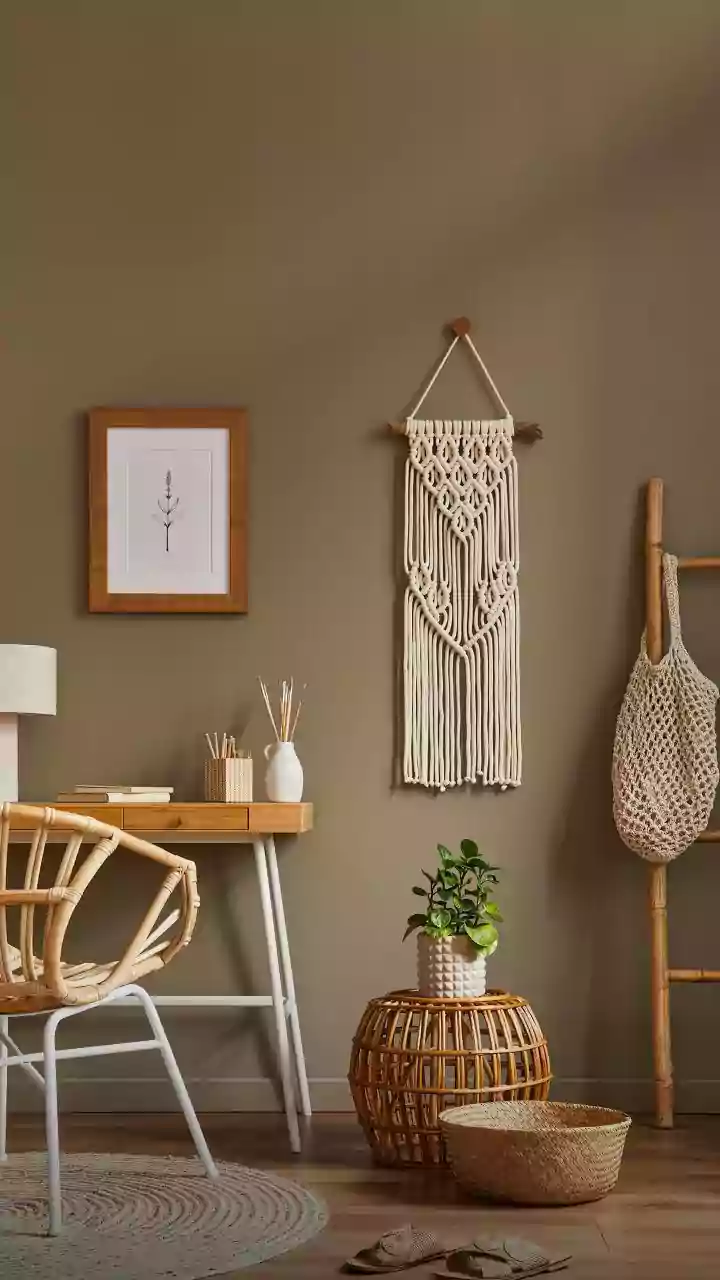
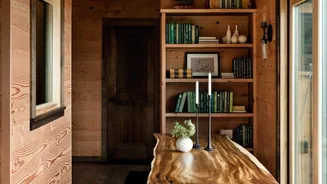
Achieving a stylish and eco-friendly home is entirely possible, as sustainability can indeed enhance aesthetics. Materials like solid wood, bamboo, cane, jute, and terracotta exude a natural warmth and richness that complements any decor. These responsible material choices, when thoughtfully integrated, create a grounded and authentic feel in your living space. Embracing minimalism further supports this by advocating for less consumption. By prioritizing fewer, high-quality, sustainably sourced items, you can curate a home that is not only beautiful but also deeply rooted in responsible living, creating a serene and aesthetically pleasing sanctuary.
Avoid Greenwashing Pitfalls
Be wary of superficial 'eco-friendly' labels and truly understand what sustainability entails. A common mistake is assuming that any product marked as eco-friendly automatically makes all your choices sustainable. True green living is about making conscious, long-term decisions that require less ongoing effort, rather than a continuous cycle of buying new 'sustainable' items. Pitfalls include succumbing to trends that encourage overconsumption, purchasing low-quality goods that need frequent replacement, and opting for artificial items like fake plants that contribute to plastic waste. Prioritize durability and timeless design over fleeting fads.