






Metro's Orderly Conduct
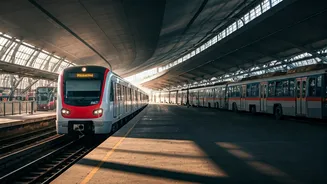
The efficient queueing observed in India's Metro systems provides a clear demonstration of organized behavior. Passengers, often without the need for strict
enforcement, willingly align themselves to wait their turn. This orderly approach is a result of several contributing factors. The Metro's standardized environment and clearly defined lines promote structure. Furthermore, the overall experience of using the Metro, often perceived as more modern and regulated, fosters a culture of adherence to rules. This collective discipline within the Metro system reflects a sense of civic responsibility and a shared understanding of how to use public infrastructure effectively. People seem to value time and are aware that following a system helps speed things up for everyone.
Bus Stop Chaos Analyzed
In stark contrast to the Metro, bus stops often present a more chaotic scene. The lack of structured queueing and the tendency towards disarray can be attributed to multiple factors. Firstly, the environment at bus stops is often less regulated, with fewer clearly marked lines or designated waiting areas. The unpredictability of bus arrival times and the potential for overcrowding further fuel the disarray. Moreover, the socioeconomic diversity of bus users might contribute, with varied levels of education and awareness regarding queueing etiquette. The rush to secure a seat, especially during peak hours, also drives the competitive behavior. This creates a situation in which individuals prioritize their immediate needs, often leading to a lack of a collective consciousness.
Economic Survey's Insights
An Economic Survey provided crucial insights into this paradoxical queueing behavior. The survey likely explored various parameters to offer context. Factors examined might include the infrastructure, the socio-economic backgrounds of the commuters, the nature of services offered, and the level of enforcement of the regulations. By analyzing these elements, the survey may pinpoint key reasons behind the behaviors seen in different transportation modes. The data could reveal correlations between the available resources, the demographic profiles of users, and the degree of organization, helping us understand why some environments are conducive to structured queueing while others are not. Furthermore, the survey potentially highlighted how differences in infrastructure and levels of enforcement influence public behavior in India.
Understanding Key Factors
Several factors contribute to these varying queueing habits. The clarity of instructions and the design of the waiting area play a crucial role. For example, the Metro's design promotes a smoother flow, which encourages orderliness. Conversely, the absence of clear guidance at bus stops can lead to confusion. The perceived value of time also affects behavior. Metro users, often in a hurry, are more likely to appreciate the efficiency of a well-organized queue. Social norms also matter: repeated exposure to orderly queueing in the Metro can reinforce these habits, whereas the lack of it at bus stops can normalize a more disorganized approach. The level of enforcement by authorities also makes a difference, as a strict rule of conduct encourages a more disciplined behavior. These differences emphasize that queueing habits are shaped by various interacting elements, highlighting both the importance of infrastructure and the role of cultural and socio-economic influences.
Cultural Context Impacts
The queueing behavior is significantly influenced by cultural nuances, emphasizing the collective versus the individual. In the Metro, a sense of shared experience might lead to better conduct. People know the system is in place for everyone, and adhering to it benefits all users. Conversely, the less formal environment of a bus stop may prioritize individual needs, especially when the availability of seats is limited. Furthermore, cultural perceptions of authority and public spaces are key. In some Indian communities, a lack of clear rules, or the absence of strict enforcement, can breed a lack of discipline. The cultural emphasis on personal space and time can also affect queueing. These cultural influences, coupled with practical considerations like the ease of travel, explain the contrasting approaches that exist in different public transport settings.
Towards Better Systems
Improving queueing behavior is crucial for enhancing the public transport experience. The Metro, through its design and operational efficiency, sets an example of organized behavior. Implementing similar principles at bus stops could significantly improve the orderliness there. This includes improvements such as clearly marked queues, better information displays, and possibly better enforcement of rules. Education also plays a pivotal role, with public awareness campaigns that promote queueing etiquette. By fostering a sense of civic responsibility, the culture can be shifted towards a greater appreciation for orderly conduct. Combining these measures, that incorporate both infrastructural and cultural considerations, can drive a more positive transport experience for the whole community. It is a long-term goal that requires a combination of infrastructural improvements and cultural education.