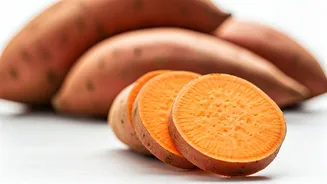

Spotting the Fake
Navigating the market for sweet potatoes can be tricky, given the possibility of encountering imitations. Recognizing fake sweet potatoes starts with a careful
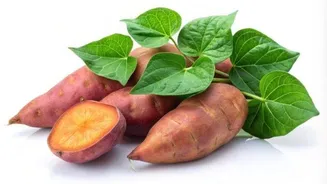
examination of their physical characteristics. Look at the color; genuine sweet potatoes vary, but a consistent, unnatural hue could be a red flag. Also, assess the texture – the authentic ones should be firm but yield slightly when pressed. The shape is another clue: while variations exist, unusually uniform shapes might indicate tampering. Lastly, the taste test is crucial. If the flavor is bland or chemically, it's a strong indication that the sweet potato may not be genuine. These simple checks can help you ensure you are buying real sweet potatoes.
Purity at Home
To further ensure the purity of your sweet potatoes at home, consider these methods. Begin by thoroughly washing the sweet potatoes to remove any surface dirt or potential coatings. As you peel them, observe the flesh. The flesh of a real sweet potato will typically have a vibrant, natural color, whereas a fake one might look artificial. Another test involves cooking. Authentic sweet potatoes become soft and easily mashed. If they remain firm or have an unusual texture after cooking, it may suggest that they have been tampered with. Moreover, pay attention to the smell while cooking – genuine sweet potatoes release a sweet, earthy aroma, while imitations may have no distinct scent or an artificial one. These home-based checks can provide an additional layer of assurance.
Simple Sweet Potato Dishes
Once you've confirmed you have genuine sweet potatoes, there are several easy recipes to explore. Sweet potato fries are a classic: simply cut the potatoes into fry shapes, toss them with olive oil and spices like paprika or garlic powder, and bake or air fry until crispy. Another option is a sweet potato mash; boil or steam the sweet potatoes until soft, then mash them with butter, salt, and pepper. For a more diverse meal, consider sweet potato soup, which involves blending cooked sweet potatoes with vegetable broth, onions, and your favorite seasonings. Sweet potato can also be incorporated into a curry with coconut milk, spices, and vegetables for a vibrant and flavorful dish. Finally, roasted sweet potatoes, tossed with herbs and served as a side dish, are simple yet delicious.
Cooking Sweet Potatoes
Mastering the cooking of sweet potatoes enhances your culinary abilities. Start by washing and peeling the potatoes unless you plan to eat the skin, which is packed with nutrients. There are various cooking methods you can use: boiling, steaming, baking, roasting, or grilling. Boiling is suitable for a simple mash, while roasting can bring out the natural sweetness. Roasting can enhance the flavor, making the flesh slightly caramelized. Grilling adds a smoky taste. To bake, wrap them in foil for even cooking. For optimum results, adjust cooking times based on the size of the sweet potato. Once cooked, sweet potatoes are incredibly versatile. You can add seasonings, herbs, or spices to them, making them fit various cuisines. Proper cooking allows you to fully enjoy the nutritional advantages of this vegetable.
Nutritional Advantages
Sweet potatoes bring several health benefits to the table, making them an excellent choice. Rich in vitamins, especially Vitamin A, these root vegetables support vision, immune function, and skin health. They're also an excellent source of fiber, assisting digestion and providing a feeling of fullness. This can help with weight control. Sweet potatoes contain antioxidants that combat harmful free radicals, potentially reducing the risk of chronic diseases. They also have a lower glycemic index compared to white potatoes, which helps to maintain stable blood sugar levels. Furthermore, they provide essential minerals like potassium, which is critical for regulating blood pressure. Including sweet potatoes in your diet can be a step towards better health and wellness.