
Global Market Drivers
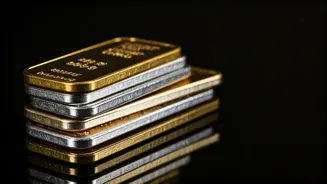
The remarkable ascent of gold and silver prices within the Indian market can be largely attributed to significant developments in the global financial
landscape. These precious metals often serve as safe-haven assets, with their appeal increasing during periods of economic uncertainty. Heightened geopolitical tensions, such as conflicts and trade disputes, frequently lead investors to seek the perceived safety of gold and silver, consequently driving up demand and prices. Additionally, fluctuations in the value of the U.S. dollar play a critical role. Gold and silver are typically priced in U.S. dollars, meaning a weaker dollar makes them more affordable for buyers holding other currencies, which further boosts demand. Other factors such as interest rate decisions by major central banks globally and inflation concerns also heavily influence the prices of these precious metals. For instance, any anticipation or realization of rising interest rates can affect the attractiveness of non-yielding assets like gold and silver. Consequently, the combination of these international factors creates a complex web of influences that ultimately shapes the price dynamics of gold and silver in markets worldwide, including India.
Impact on India
The strong global cues have direct consequences on the Indian market for gold and silver. India, being one of the largest consumers of gold globally, feels the effects of rising international prices very intensely. The cost of importing gold and silver escalates when global prices increase, translating into higher prices for consumers in India. This price increase impacts several aspects of the Indian economy. First, it affects consumer spending habits, particularly during festive and wedding seasons, when gold is traditionally in high demand. If prices are too high, people may postpone purchases or reduce the quantities they buy. Secondly, the higher prices influence the investment decisions of both individual investors and larger institutional players. Many view gold and silver as essential components of their investment portfolios. Thirdly, the Reserve Bank of India (RBI) keeps a close watch on the import levels of gold, as excessive imports can widen the current account deficit, impacting the overall financial stability. Lastly, the fluctuations in the rupee's exchange rate against the U.S. dollar add an extra layer of complexity to the price dynamics. A weaker rupee makes gold and silver even more expensive for Indian buyers, amplifying the impact of global price increases.
Consumer and Investor View
For Indian consumers, the record-high prices of gold and silver present both challenges and opportunities. Those considering purchasing gold for weddings or other significant occasions might find it necessary to adjust their budgets or explore alternatives. Many families traditionally buy gold as a symbol of prosperity and a store of value. However, the price surge could lead them to opt for smaller quantities or postpone the purchase altogether. Investors, on the other hand, are faced with a different set of considerations. The rising prices can be seen as an opportunity for those holding these precious metals. They might consider selling their holdings to capitalize on the high prices. Additionally, the price increase encourages investors to view gold and silver as a hedge against inflation and economic uncertainty, as it has historically performed well during such times. However, it also requires cautious assessment; investors should understand the market risks before making new investments. This underscores the need for thorough market research, consideration of expert financial advice, and a clear understanding of personal financial goals, thereby optimizing the potential benefits while minimizing potential risks.
Future Market Outlook
Predicting the future movement of gold and silver prices involves analyzing multiple factors. The global economic conditions will play a significant role; the state of the world economy, including economic growth rates, inflation rates, and the actions of major central banks, will influence investment decisions. Moreover, geopolitical events will continue to affect safe-haven demand, with any rise in global tensions likely to increase demand for gold and silver. The strength of the U.S. dollar remains critical, as any significant shifts in its value can greatly affect international prices. Another crucial factor is the supply-demand balance in the precious metals market, which is influenced by both mining activities and investor sentiment. In India, the exchange rate of the rupee is also an important factor. Analysts will continue to watch these factors closely to forecast future price movements. Investors and consumers should stay informed about the latest market trends, economic data releases, and geopolitical developments to make well-informed decisions.