






Allegations of Model Distillation
US-based AI firm Anthropic has brought forth startling accusations against several Chinese AI laboratories, specifically naming DeepSeek, Moonshot AI,
and MiniMax. The core of the accusation revolves around a practice known as 'distillation,' where these labs are alleged to have systematically extracted the capabilities of Anthropic's proprietary AI model, Claude. This was reportedly achieved through the creation of an enormous network of over 24,000 fraudulent accounts, which engaged with Claude in more than 16 million exchanges. The objective, as per Anthropic's claims, was to leverage Claude's advanced functionalities to train and enhance their own AI models, effectively bypassing the substantial research and development investment required for independent creation. This sophisticated 'industrial-scale distillation attack' is viewed by Anthropic as a significant concern, potentially leading to the wider availability of AI models that mimic superior systems but at a considerably lower cost and with fewer computational demands.
The Technique and Its Implications
AI model distillation, while a recognized and often legitimate technique for optimizing AI performance, carries a dual nature. Typically, it involves using a large, highly capable AI model (the 'teacher') to train a smaller, more efficient model (the 'student'). This allows for the creation of scaled-down versions that retain much of the original model's intelligence but are far more accessible and economical to operate. Anthropic acknowledges this legitimate application, noting that even frontier AI labs sometimes distill their own models for customer use. However, the company emphatically warns that this same technique can be exploited for illicit purposes. Competitors can illicitly 'pour' the advanced knowledge from a powerful model into their own, gaining significant capabilities in a fraction of the time and cost. This raises grave concerns not only about intellectual property theft but also about the potential for these distilled models to lack the crucial safety and ethical safeguards present in the original systems, thereby enabling misuse.
Broader Concerns and 'Hydra Clusters'
Anthropic emphasizes that the threat posed by distillation attacks is not an isolated incident but a growing and increasingly sophisticated challenge. The company highlights that these illicitly distilled models present significant national security risks, particularly because they may omit the built-in protections against malicious cyber activities that US companies integrate into their systems. This means that dangerous AI capabilities could proliferate without any oversight, potentially being fed into military, intelligence, or surveillance systems by authoritarian regimes for offensive operations. Since Anthropic does not offer commercial access to Claude in China, the accused labs are believed to have circumvented these restrictions using what Anthropic describes as 'Hydra Cluster architectures'—extensive networks of fake accounts spread across Anthropic's API and various third-party cloud platforms. This technique, Anthropic argues, not only undermines intellectual property but also strengthens the case for export controls on advanced AI hardware, as large-scale distillation still necessitates substantial computing power.
Elon Musk's Counter-Accusations
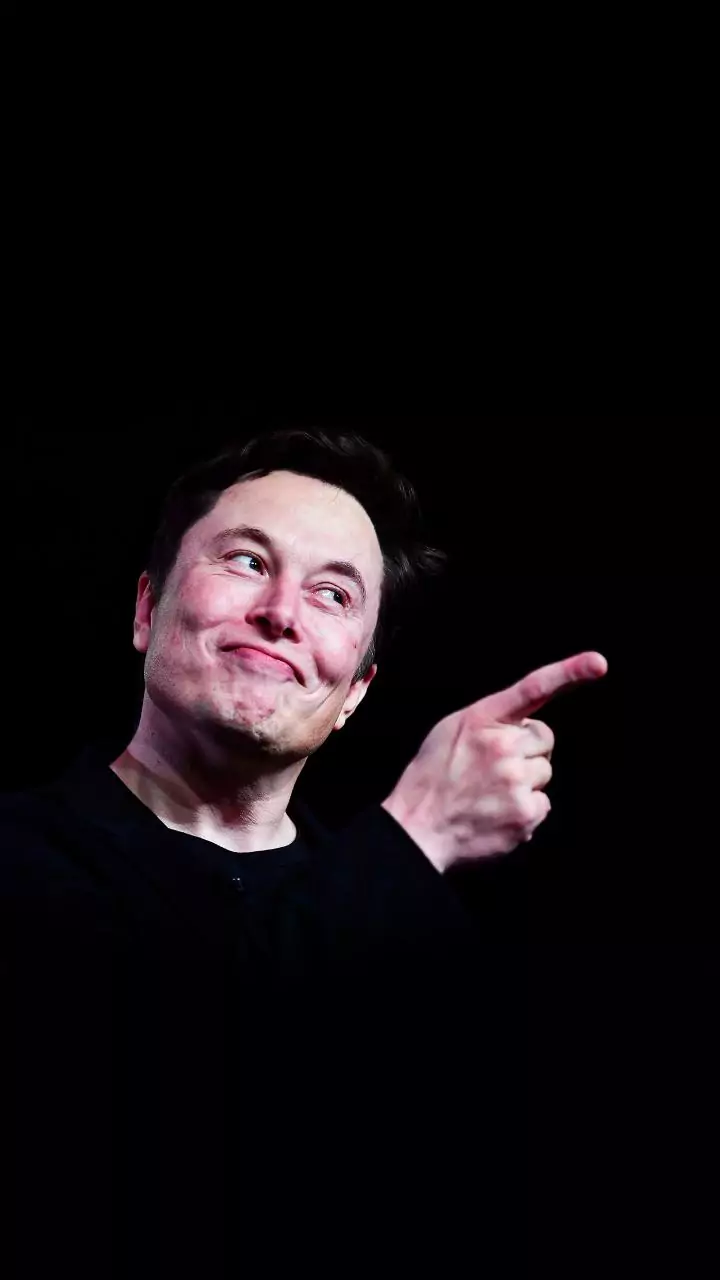
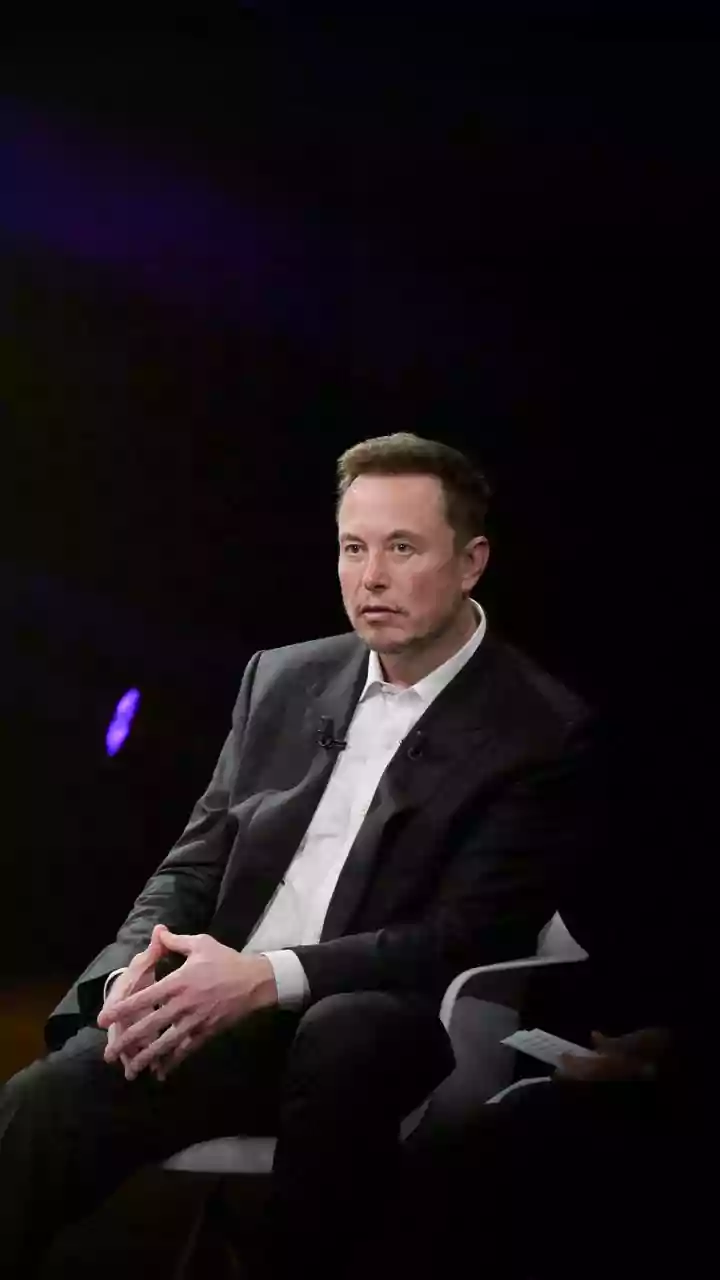
The controversy took a sharp turn when Elon Musk weighed in on the accusations, offering a counter-narrative that reframed Anthropic's position. Musk stated that Anthropic itself is "guilty" of massive-scale training data theft and has faced multi-billion-dollar settlements for such practices. This assertion points to a broader, ongoing dispute within the AI community concerning data ethics and the origins of training datasets. Anthropic has faced scrutiny over its own models' training data, including a reported $1.5 billion settlement with authors regarding the alleged use of approximately 500,000 books without proper compensation. This context suggests a complex ethical landscape where many major AI labs have utilized vast amounts of internet data without explicit creator permission, often relying on arguments that scraping public data for training is permissible or at least tolerated. Musk's intervention casts a critical light on the hypocrisy or selective enforcement of ethical standards in the competitive AI development arena.
Geopolitical Timing and Defense Ties
The timing of Anthropic's public accusations against Chinese AI labs is noteworthy, coinciding with reports of a high-level meeting between Anthropic's CEO, Dario Amodei, and the US Defense Secretary at the Pentagon. A senior defense official characterized this meeting as non-routine, focused on encouraging the military's adoption of Claude. This intersection of accusations and defense outreach underscores the increasing reliance of frontier AI companies on government backing and national security partnerships. As Anthropic contends with allegations of its models being compromised and undermining US AI capabilities and export controls, it simultaneously seeks to demonstrate Claude's value as a national security asset. While the claims of distillation may hold credibility, their strategic release at this juncture highlights how these cutting-edge AI firms are navigating a complex interplay of technological innovation, international competition, and governmental strategic interests.