






Strength vs. Stamina
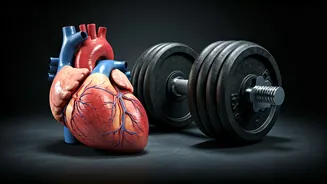
When you consistently hit the weights but steer clear of cardiovascular exercises, you're creating a significant imbalance within your body. While weightlifting
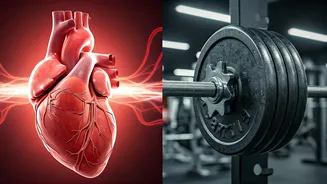
is excellent for developing muscle fibers and increasing raw power, it does very little to enhance the capacity of your heart and lungs. This means you might appear robust and capable of lifting heavy objects, but struggle with fundamental everyday tasks like ascending a flight of stairs, chasing after a cab, or even carrying groceries for a moderate distance. Dr. Sarang Deshpande, a consultant in orthopaedics and joint replacement, explains that your cardiovascular system isn't conditioned for sustained effort. Consequently, even minor exertion can quickly elevate your heart rate and leave you feeling winded because the heart isn't trained to pump blood efficiently enough to meet the demands of prolonged activity. This disconnect between apparent strength and actual endurance can lead to a frustrating experience where you feel physically capable of lifting but lack the stamina for daily life.
The Oxygen Gap
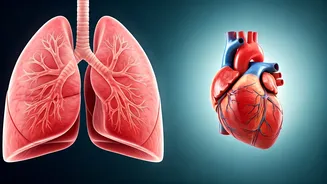
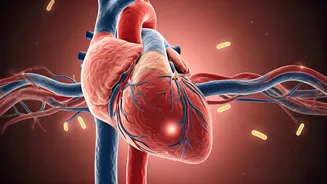
A significant repercussion of neglecting cardio is the limitation placed on your oxygen transport system. Strength training, by its nature, focuses on building the muscles' ability to exert force, but it doesn't directly improve your body's overall oxygen uptake or its efficient delivery to working tissues. Without the complementary benefits of cardio, the blood flow to your muscles can remain restricted, hindering their ability to recover and leading to prolonged periods of soreness after workouts. Many individuals find themselves in a situation where they feel powerful during their weightlifting sessions, only to become quickly breathless when engaging in simple warm-up routines or short bursts of activity like jogging. This occurs because their heart and lungs haven't been adequately trained to handle the sustained demands of aerobic exercise, resulting in a rapid onset of fatigue that belies their muscular development.
Indirect Joint Stress
While it might not seem immediately obvious, abstaining from cardiovascular activity can indirectly place additional strain on your joints. When your body's endurance is compromised, it begins to impact your movement patterns and overall posture. As you fatigue more quickly due to a lack of stamina, your form during exercises, even those not directly related to cardio, is likely to deteriorate. This compromised technique can then place undue stress on critical joints such as your knees, hips, and lower back, increasing the risk of injury. Cardio plays a vital role in enhancing blood circulation throughout the body, improving flexibility, and maintaining overall mobility. These factors are fundamental to ensuring your joints are properly supported and can withstand the pressures of both daily activities and more intense physical exertion, including heavy lifting.
Slowing Fat Loss
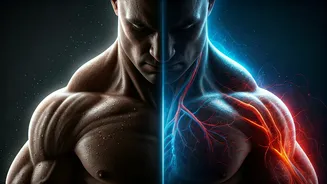
Opting out of cardio exercises often leads to a noticeable slowdown in your fat loss progress. Cardiovascular activity is a powerful tool for boosting your metabolism, enabling your body to burn calories more effectively and utilize energy with greater efficiency. In the absence of this metabolic advantage, the process of shedding body fat becomes significantly slower. This can result in a physique that appears muscular but lacks the toned definition many seek, leading to a more 'bulky' rather than lean appearance. Consequently, individuals who dedicate considerable time to the gym through weightlifting alone might find themselves feeling strong but also sluggish, a frustrating outcome that diminishes the perceived benefits of their extensive training efforts.
The Balanced Approach
Achieving optimal fitness necessitates a harmonious blend of strength training and consistent cardiovascular exercise. Incorporating basic cardio activities such as brisk walking, cycling, or light jogging alongside your weightlifting routine can profoundly improve your body's overall function. This balanced approach not only bolsters heart health and aids in post-workout recovery but also significantly lowers the risk of sustaining injuries. Furthermore, it helps in maintaining a level of stamina that is commensurate with your physical appearance, ensuring you have the energy for everyday life. Dr. Deshpande emphasizes that true fitness is not merely about the size of your muscles but about your body's sustained ability to perform and move without succumbing to fatigue.