
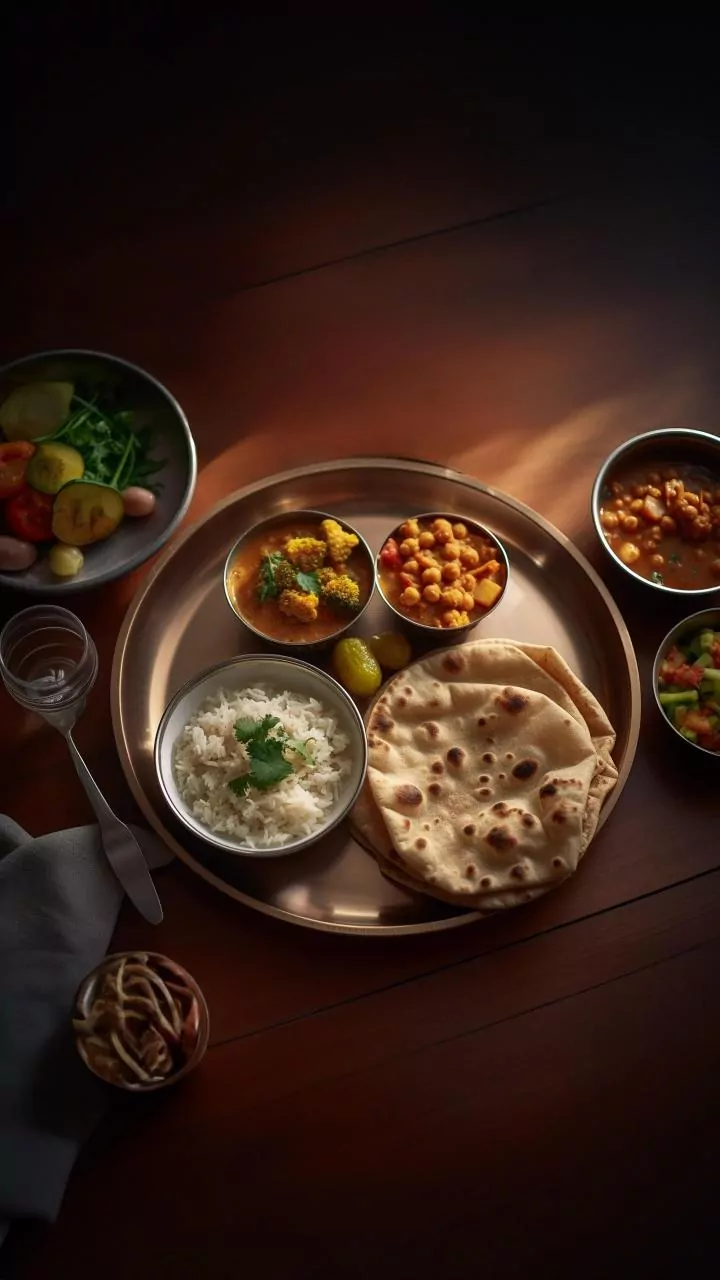






Menu Makeovers Ensue
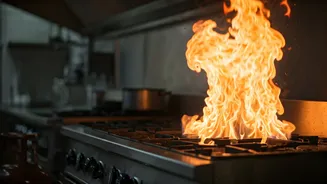
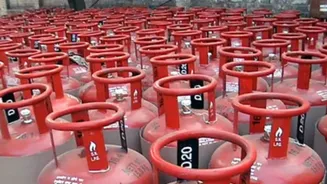
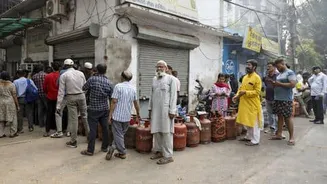
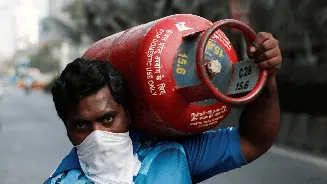
The escalating scarcity and price surge of Liquefied Petroleum Gas (LPG) cylinders have compelled numerous eateries across India to fundamentally alter
their culinary offerings and operational strategies. Facing disruptions in daily operations due to cylinder unavailability and considerably higher costs, restaurant owners are actively seeking out alternative cooking fuels and strategically adjusting their menus. For instance, some establishments have had to remove signature dishes that traditionally require extensive cooking on gas stoves, opting instead to focus on recipes that can be prepared more rapidly or utilizing different cooking apparatus. This proactive approach aims to maintain service continuity and mitigate the financial strain imposed by the LPG crisis, ensuring that the dining experience, while modified, can still be provided to patrons amidst these challenging circumstances. The National Restaurant Association of India (NRAI) has even issued advisories, urging members to rationalize menus by prioritizing dishes with lower gas usage and shorter cooking cycles, a testament to the widespread impact of this supply chain disruption.
Alternative Fuel Exploration
In response to the critical shortage of LPG, many restaurants are actively exploring and implementing alternative cooking solutions to maintain operations. While some are transitioning to induction stoves or electric burners for specific dishes, others are even considering less conventional methods to cope. This includes a rise in the use of kerosene and, in smaller establishments, wood-based cooking, though these alternatives raise concerns about air quality and safety standards. Larger restaurants often find these options problematic due to hygiene and operational complexities. However, the industry is also looking towards coal-based tandoor ovens for items like tandoori food, a method that bypasses the need for LPG altogether. Efforts are also underway to integrate electric ovens more broadly, although their efficiency for certain cooking tasks is still being evaluated. The focus remains on finding viable substitutes to ensure continued service, even as the supply of traditional LPG remains unpredictable and costly.
Industry-Wide Strain
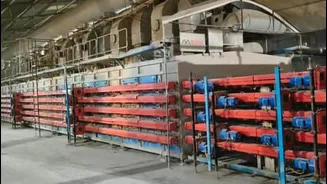
The LPG crisis is exerting significant pressure on the entire restaurant industry, particularly impacting small and medium-sized businesses operating on tight profit margins. These establishments are struggling to absorb the escalating costs associated with LPG scarcity and price hikes. Restaurateurs are appealing to authorities for a stable and reasonably priced supply of LPG cylinders to ensure their survival. The situation has also extended beyond dining establishments, affecting industries like manufacturing. For example, factories producing crockery and metal products, which rely on gas for their operations, have been forced to send employees on leave or even temporarily shut down their plants due to a lack of gas supply. In Gujarat, the ceramic industry, heavily dependent on propane gas (a component of LPG), has seen numerous factories close down. This widespread disruption highlights the critical need for a stable energy supply across various sectors of the economy.
Government Intervention & Future Outlook
Industry experts and restaurateurs alike are calling for governmental intervention to address the root causes of the LPG shortage and ensure a consistent supply for the food service sector. While the government has acknowledged the issue and indicated efforts to increase LPG production by 10% and redirect supply towards household consumers, the immediate impact on commercial users remains significant. Some state governments have formed panels to monitor gas and oil supplies and are urging the central government to ease norms for supplying commercial LPG to essential services like schools, colleges, and hospital canteens. The priority given to domestic gas supply has directly affected the deliveries of commercial LPG cylinders to restaurants. While assurances of sufficient gas stock have been given, the practical challenges faced by businesses on the ground suggest a prolonged period of adjustment and innovation within the restaurant industry as they navigate this complex energy challenge.