
January's Rainfall Review
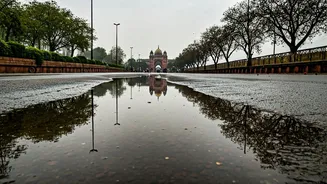
The month of January in Delhi concluded with a notable meteorological event: the wettest period the city has seen in four years. This significant rainfall
defied typical seasonal expectations, prompting a reassessment of the weather patterns. This unexpected volume of rain brought about noticeable changes across the city, affecting daily routines and prompting reactions from residents. It's imperative to consider this event in the context of broader climate trends and its immediate implications for the city's infrastructure and the comfort of its residents. The data suggests that this period deviates from the usual weather trends. This could be due to a confluence of factors, including changes in prevailing wind patterns, enhanced moisture levels, or specific occurrences within the atmosphere, affecting Delhi and the surrounding regions.
Weather Outlook Detailed
Looking ahead, the weather forecast for the subsequent four days following the record-breaking rainfall is essential to understand. The predictions provide insight into the short-term climatic conditions, guiding citizens in planning their activities and gauging the potential for disruptions. Authorities use these forecasts to proactively prepare for any weather-related challenges. Monitoring and interpreting such weather forecasts require analyzing various meteorological factors. Key elements include the assessment of temperature variations, humidity levels, wind speed and direction, and the likelihood of precipitation. The information is crucial for anticipating the potential for inclement weather, such as heavy rain or temperature changes, allowing for timely measures to mitigate impacts. It is also important to note that the forecast plays a crucial role for residents in planning their outdoor events.
Summer Preparations in Delhi
As Delhi looks forward, city officials and governing bodies are strategizing to ensure preparedness for the coming summer. A key focus is the provision of adequate night shelters for the homeless, with the Delhi High Court issuing directives to formulate a detailed plan well in advance of the anticipated summer heat. This preemptive approach underscores the city's commitment to protecting the vulnerable during extreme weather events. The plan will not only focus on the availability of shelters but also on the amenities and support services provided within them. The aim is to create safe and comfortable environments for those in need, offering relief from the heat and access to essential resources. This proactive approach underlines Delhi's dedication to urban resilience and the welfare of its residents, particularly during the challenging summer months.