





Defining Goldilocks Phase
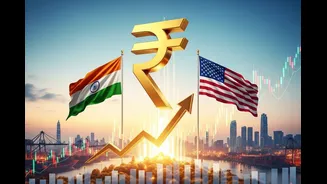
The term 'Goldilocks economy' describes a situation in which an economy experiences moderate economic growth with low inflation. This delicate balance
is often seen as the ideal economic environment, as it fosters job creation, increased consumer spending, and overall prosperity without the risks of overheating or recession. In this scenario, economic expansion continues at a healthy pace, driven by factors such as increased investment, rising consumer confidence, and productivity gains. Simultaneously, inflationary pressures remain subdued, allowing for sustained real income growth. This is the goal for most economies around the world.
Macroeconomic Drivers Examined
Several macroeconomic factors contribute to India's 'Goldilocks' phase. Strong domestic demand, fueled by a growing middle class and rising disposable incomes, is a key driver. This increased spending supports business expansion and job creation. Fiscal policies, including government investment in infrastructure and targeted social programs, also play a vital role. These initiatives stimulate economic activity and boost overall confidence. Furthermore, proactive monetary policies by the Reserve Bank of India (RBI) aim to control inflation while supporting growth. For example, the RBI's decisions on interest rates and liquidity management are crucial in maintaining a stable economic environment. Moreover, global economic conditions, such as lower commodity prices and increased foreign investment, can further strengthen India's economic performance. India has greatly benefited from its favorable demographics, with a young and growing workforce contributing to enhanced productivity.
Structural Challenges Unveiled
Despite its current success, India's 'Goldilocks phase' faces several structural challenges that could threaten its long-term sustainability. The nation's infrastructure deficiencies, including inadequate transportation networks, power supply, and logistical bottlenecks, pose constraints on economic expansion. These infrastructural gaps increase costs for businesses, potentially hindering competitiveness. Skill gaps and educational disparities represent another significant challenge. Addressing these gaps requires sustained investment in education, vocational training, and skill development programs. This is essential to ensure a skilled workforce capable of meeting the demands of a rapidly evolving economy. Moreover, reforms are needed to improve the ease of doing business, reduce bureaucratic hurdles, and enhance the regulatory environment. These changes will encourage domestic and foreign investment. Furthermore, managing external vulnerabilities, such as fluctuations in global trade and financial markets, is critical for sustained economic stability. Economic policymakers must be vigilant in responding to these external shocks to maintain the 'Goldilocks' balance.
Sustaining Economic Momentum
Sustaining India's 'Goldilocks phase' requires a multifaceted approach. Firstly, there is a need for continued investment in infrastructure to remove bottlenecks and facilitate efficient economic activity. This includes modernizing transportation networks, improving energy infrastructure, and enhancing digital connectivity. Secondly, focused efforts to enhance human capital through improved education and skill development programs are critical. This will enable the Indian workforce to adapt to the changing demands of the global economy. Thirdly, policymakers must continue to create a business-friendly environment by streamlining regulations, reducing red tape, and promoting transparency. This will encourage both domestic and foreign investment. Finally, India needs to pursue prudent fiscal and monetary policies that promote macroeconomic stability while supporting sustainable growth. This includes managing inflation, controlling government debt, and ensuring financial sector stability. By addressing these challenges and implementing supportive policies, India can strive to maintain its 'Goldilocks' phase and achieve long-term economic prosperity.