




Understanding Metal Vibes
The decision between gold and platinum for diamond settings hinges on personal preference and the aesthetic you aim to achieve. Gold, with its warm undertones,
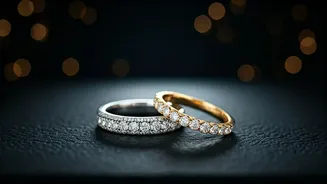
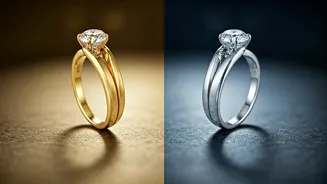
offers a sense of tradition and richness that many find comforting and familiar. It tends to blend slightly with the diamond, creating a cohesive, classic look, particularly in intricate or age-old designs. Conversely, platinum embodies a clean, minimalist, and cool elegance. Its naturally white hue allows diamonds to appear brighter and more prominent, creating a striking contrast that emphasizes pure sparkle without any distracting tint. This makes platinum ideal for those who appreciate a modern, understated luxury that allows the gemstone to be the absolute star of the show, offering a refined and sophisticated finish.
The Indian Investment Angle
In the Indian context, the choice of metal often involves more than just aesthetics; it touches upon financial considerations and familial expectations. Gold has historically been, and continues to be, perceived as a tangible investment. Its value is well-understood, making it easily resalable, exchangeable, or even meltable for future use, thereby retaining its worth across economic cycles. Platinum, while valuable, is more often viewed as a piece chosen for its style and personal significance rather than its immediate financial return. This distinction is crucial, especially when family members, particularly elders, are involved in the decision-making process, as gold's established investment status often garners strong parental approval due to its perceived security and long-term financial prudence.
Emotional Resonance and Personal Style
Beyond the practical and financial aspects, the emotional connection to jewelry plays a significant role. Gold frequently carries deep sentimental value, often being passed down through generations, redesigned, or worn as a connection to family history and cherished memories. It's the metal that embodies tradition and continuity. Platinum, on the other hand, tends to feel more personal and contemporary. It's typically selected by the wearer for themselves, reflecting individual taste and modern sensibilities rather than inherited legacy. The choice ultimately boils down to whether you prioritize a piece steeped in tradition and shared history or one that feels distinctly like your own, a modern expression of your personal journey and style.
Platinum's Modern Appeal
Platinum has steadily gained popularity, particularly in urban settings, becoming a preferred choice for engagement rings and wedding bands. Its appeal lies in its subtle yet undeniable expensive feel, offering a sophisticated rather than ostentatious presence. A key attribute of platinum is its ability to make diamonds appear more brilliant due to its pure white, non-reflective color, which doesn't interfere with the gemstone's clarity or hue. Furthermore, platinum boasts superior durability compared to gold. This makes it an excellent option for individuals who plan to wear their jewelry daily, as it withstands wear and tear more effectively. Its low-maintenance nature, requiring no re-plating or color restoration, ensures it retains its lustrous appearance for years, embodying a quiet luxury that appeals to the modern connoisseur.
Platinum's Drawbacks
Despite its many advantages, platinum does come with certain considerations. Its most significant drawback is its higher cost, generally making it a more expensive option than gold. When it comes to design variety, platinum tends to lean towards contemporary and minimalist styles, so finding traditional Indian motifs might be challenging. Practical aspects like resizing or repair can also be more complex and require specialized craftsmanship compared to gold. An interesting characteristic of platinum is its tendency to develop a matte finish over time, known as a patina. While some appreciate this vintage aesthetic, others may prefer the consistently polished look and find the patina less desirable, adding another layer to the decision-making process.
Gold's Enduring Charm
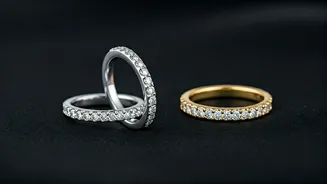
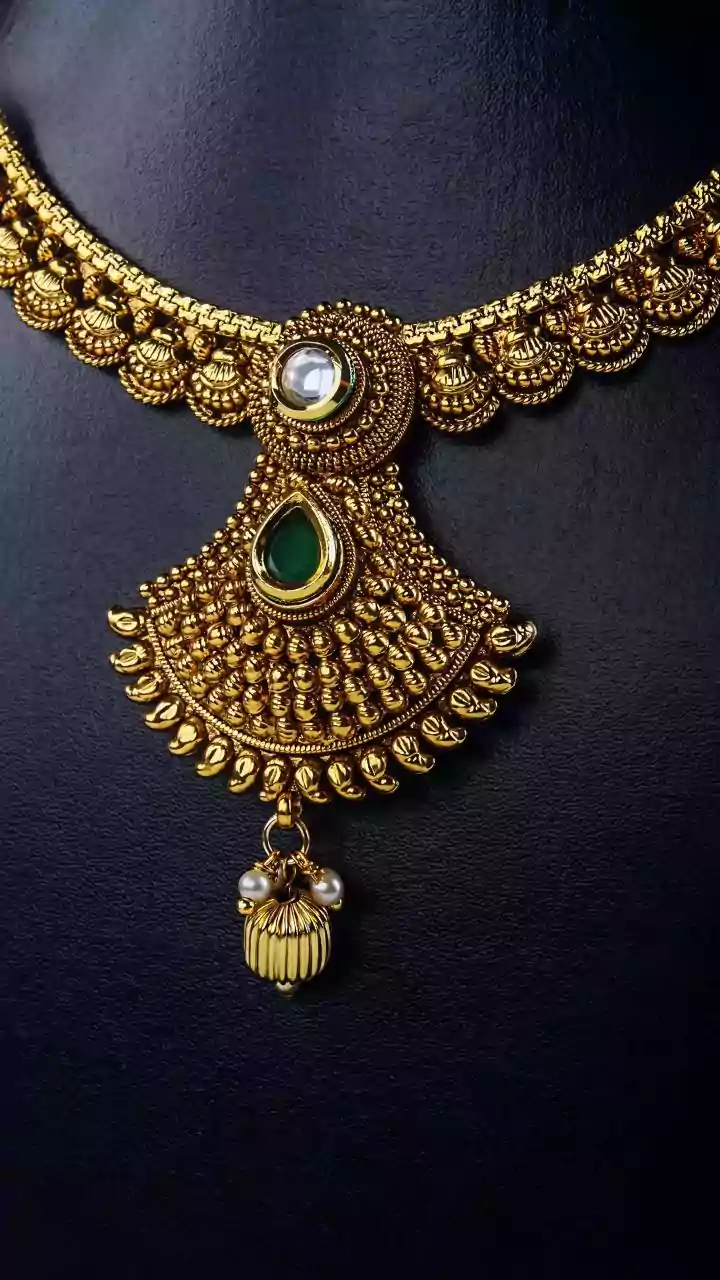
Gold remains a beloved choice, deeply ingrained in the cultural fabric of Indian jewelry. Its familiarity is comforting, often evoking images of family heirlooms and traditional wedding sets. Gold harmonizes beautifully with Indian attire, seamlessly complementing saris, lehengas, and even simpler outfits, and is known to enhance Indian skin tones. The versatility extends to its color options: classic yellow gold for traditionalists, white gold for a subtler look akin to platinum but at a lower price point, and rose gold for those seeking softer, romantic hues. Financially, gold, especially in 14K or 18K purity, is generally more accessible than platinum, offering greater budgetary flexibility. Moreover, the widespread expertise among Indian jewelers in working with gold—for resizing, redesigning, or remaking pieces—provides unparalleled convenience.
Gold's Limitations
However, gold is not without its compromises. Being a softer metal, it is more prone to scratching and wear over time, particularly with daily use. White gold, while aesthetically pleasing, requires periodic maintenance to restore its rhodium plating and maintain its bright white finish every few years. For those seeking an exclusive, premium feel associated with rare metals, gold might not always convey that same level of distinctiveness in today's market. Its widespread availability and long-standing popularity mean it might not always possess the same aura of unique luxury that some consumers seek.
Making the Smart Choice
Ultimately, the choice between gold and platinum hinges on your priorities. If you value tradition, require flexibility in designs, and consider resale value important, gold is likely your best path. Conversely, if a modern aesthetic, exceptional durability, and a premium, understated feel are what you seek, platinum emerges as the superior option. It's a straightforward decision once you identify what matters most to you. Regardless of your inclination, the most crucial advice is to try both metals on yourself. What looks appealing online or on someone else might feel entirely different on your skin, influenced by your unique skin tone, personal style, and daily lifestyle, ensuring your final selection feels absolutely perfect.
Bridal Decisions and Daily Wear
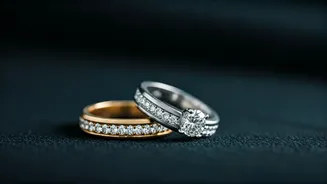
In India, jewelry transcends mere adornment, encompassing tradition, family bonds, and financial planning. While gold remains the predominant choice for elaborate bridal sets due to its cultural significance and investment appeal, platinum is increasingly favored for engagement rings and contemporary wedding bands. Many couples adopt a practical approach, opting for gold for wedding festivities and platinum for everyday wear—a sensible strategy that balances tradition with modern utility. Practically speaking, if daily wear and minimal maintenance are key, platinum is the more resilient choice. However, if you enjoy updating your look frequently, desire more design variety, or plan to acquire multiple pieces over time, gold offers greater adaptability and value.