






Early Cinematic Beginnings
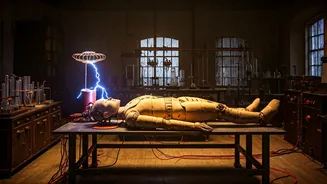
The genesis of Frankenstein on film occurred in 1910. This silent adaptation, a landmark in early horror cinema, introduced the basic narrative of Victor
Frankenstein's creation of a monstrous being. The film, created during a time when filmmaking was still in its infancy, relied heavily on visual storytelling. The director focused on establishing a sense of dread and mystery, which defined the horror genre. The film had a limited budget, and its success was a pivotal moment in the industry. The adaptation paved the way for future cinematic exploration of the monster. The original Frankenstein, while not fully preserving the detailed narrative found in Shelley's novel, created a precedent for many adaptations to follow.
The 1931 Classic
The 1931 adaptation of Frankenstein, directed by James Whale, is one of the most iconic and recognizable versions. This version introduced Boris Karloff's portrayal of the monster, which would forever influence the monster's image. Whale's direction emphasized atmosphere and visual storytelling, creating a genuinely frightening and memorable cinematic experience. The film also explored the moral implications of scientific hubris, aligning with Mary Shelley's original themes. The movie provided the monster with many iconic scenes, like the scene where the monster throws the little girl into the lake. These elements solidified Frankenstein's place in popular culture and contributed to its widespread appeal.
Bride of Frankenstein (1935)
Bride of Frankenstein, released in 1935, expanded on the themes of the first movie and introduced the monster's desire for companionship. The movie offered a deeper dive into the creature's search for belonging. The film also continued to showcase the advancements in visual effects techniques. Elsa Lanchester's portrayal of the Bride became another iconic character in the film adaptation. It allowed for a more emotional narrative. The film, a sequel, added complexity to the monster's character, setting the stage for future interpretations. The narrative delved into the creature's feelings and aspirations, moving beyond the simple narrative of creation.
Son of Frankenstein (1939)
Son of Frankenstein, released in 1939, shifted focus to the family of the creator. This installment continued the series by showcasing the next generation of the Frankenstein family. The film continued with the themes of the original, with the son of the original creator revisiting his father's old lab. This installment further developed the monster's narrative by adding more dimensions to his character. The film, while building on the legacy of the original movies, also incorporated new themes. This added a new dimension to the franchise.
Hammer's Curse (1957)
The Curse of Frankenstein (1957) from Hammer Film Productions offered a reimagining of the classic story. This adaptation gave a more graphic and unsettling approach. The Curse of Frankenstein was a critical and commercial success, contributing to a new wave of horror. This iteration delivered new levels of gore and realism. The movie's success proved that there was still an audience. The Curse of Frankenstein's impact showed a shift in style, solidifying the Frankenstein story for another generation.
Frankenstein in Pop Culture
Frankenstein has greatly impacted television and popular culture. The narrative has been adapted in numerous movies, TV shows, and books. Frankenstein has served as an emblem for discussions on ethics, scientific innovation, and the dangers of unchecked ambition. These adaptations have continued the story, keeping the essence of Frankenstein alive. Frankenstein's monster became a cultural icon. The character, recognized across media, embodies a constant presence in popular culture. The tale continues to resonate in various forms.










![[WATCH] T20 World Cup 2026: Gautam Gambhir hosts dinner for Team India players ahead of Namibia clash](https://g-mob.glance-cdn.com/public/fc/image/7gXS1xdhs5Q0.webp)