






Honey's Sugar Identity
The common perception of honey as a free pass on a sugar-restricted diet is challenged by clinical experts. Veena V, Chief Clinical Dietitian, clarifies
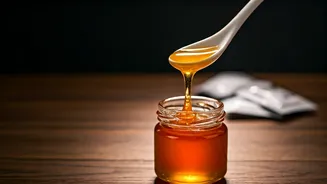
that honey is fundamentally composed of simple sugars: glucose and fructose. This composition means that for individuals adhering to an absolutely strict no-sugar regimen, honey is typically advised against. However, the landscape shifts slightly for those aiming to curb intake of refined sugars rather than eliminate all forms of sweetness. In such cases, moderate consumption of pure, organic honey might be permissible. While honey does offer trace amounts of antioxidants and minerals, setting it apart from refined sugar, it is crucial not to view it as an unrestricted sweetener. Even a small serving, like one to two tablespoons of genuine organic honey, should be accounted for as part of your total daily added sugar allowance.
Healthier Than Refined Sugar?
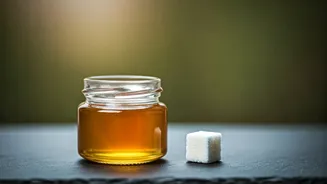
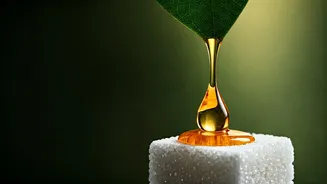
Honey often garners a reputation for being a more wholesome choice compared to processed table sugar, and there are valid reasons for this belief. Its less processed nature allows it to retain a small spectrum of beneficial compounds, including trace minerals like potassium, calcium, and iron, distinguishing it from the purely caloric value of refined sugar. Dietitians acknowledge honey as a marginally superior option due to these minor nutritional advantages. Furthermore, honey tends to have a slightly lower glycemic index than standard sugar, suggesting a potentially slower impact on blood glucose spikes. However, it's vital to remember that honey remains a simple carbohydrate. Consuming excessive amounts can still lead to undesirable outcomes such as weight gain or adverse metabolic effects, underscoring the importance of mindful consumption.
Impact on Blood Sugar
Like all sweet substances, honey is rapidly converted into energy by the body. Its primary components, glucose and fructose, inevitably lead to an increase in blood glucose levels. While the rate at which this occurs might be somewhat gentler than with refined sugar or jaggery, the effect on blood sugar is still present. For individuals actively managing their sugar intake or monitoring their blood glucose, understanding and controlling portion sizes is paramount. From a physiological perspective, the body metabolizes honey in a manner similar to other sugars, making diligent portion management an essential strategy for maintaining health goals and avoiding the pitfalls associated with overconsumption.
Smart Sweetener Alternatives
The most effective long-term approach to reducing sugar consumption often lies not in substituting one sweetener for another, but in cultivating a diminished overall desire for sweetness. Experts recommend a gradual reduction in preference for intensely sweet flavours. For those seeking alternatives, natural low-calorie options such as Stevia or Monk fruit present viable choices for some individuals. Furthermore, incorporating naturally sweet ingredients like dates, mashed bananas, or unsweetened apple sauce into recipes can provide sweetness without resorting to added sugars. Even aromatic spices like cinnamon, cardamom, or vanilla can impart delightful flavours and a sense of sweetness, helping individuals cut back on sugar more sustainably and achieve their dietary objectives.