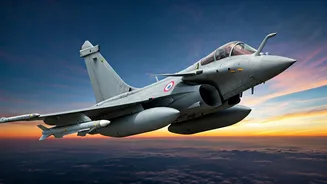





Defining Military Strength
Military strength is a multifaceted concept that goes beyond simply counting soldiers and weapons. Several factors contribute to a nation's overall military
capabilities. These include the size of the active and reserve military personnel, the quality and quantity of military equipment (tanks, aircraft, ships, etc.), financial investment in defense, and logistical support. Technology and innovation also play a vital role, influencing a country's ability to develop advanced weaponry and maintain a technological edge. Additionally, the strategic location and geopolitical influence are also important in the measurement of overall military capabilities. Strong alliances and international partnerships are valuable assets.
Analyzing Military Capabilities
To analyze military capabilities, various metrics are considered, with each providing a different perspective. Manpower, which includes active and reserve forces, provides the foundation for any military operation. A large and well-trained military workforce can significantly enhance a country's ability to undertake diverse missions. Furthermore, the quantity and quality of military equipment such as tanks, aircraft, naval vessels, and other sophisticated systems are vital. The equipment must be cutting-edge, well-maintained, and strategically deployed. Defense spending, measured as a percentage of GDP or in absolute terms, reveals a country's commitment to military readiness and modernization. A higher investment often correlates with technological advancements and superior military capabilities. Geographical advantages and strategic alliances with other nations further enhance a country's overall military strength.
Top 10 Military Powers
Ranking the world's most powerful militaries is a complex process with many varying assessment criteria. The leading nations often invest heavily in their defense budgets and maintain large, well-equipped armed forces. These countries are constantly focused on technological advancements and innovation, and possess significant global influence. They typically maintain active presence across the globe and participate in various international military exercises and operations. This ranking is based on a collection of factors like manpower, equipment, military spending, and strategic positioning. The exact order can vary depending on the ranking methodology used, but the same nations are consistently ranked near the top.
India's Military Prowess
India's military strength stems from various aspects of defense capabilities, including a substantial active and reserve force, a diverse range of military equipment, and significant defense spending. India continues to modernize its armed forces through acquiring advanced technologies and focusing on indigenous defense manufacturing. Its strategic location in South Asia and its partnerships with other nations further strengthen its geopolitical influence. The Indian military regularly participates in joint exercises with other countries to enhance interoperability and preparedness. India's commitment to its defense capabilities is clear, as reflected in its continuous efforts to enhance its military capabilities and safeguard its national interests. Furthermore, the country's strategic partnerships with other nations further augment its influence.
Global Military Trends
The global military landscape is constantly evolving, with new trends and challenges emerging. There is a continuous increase in military spending worldwide, driven by geopolitical tensions, technological advancements, and the need to protect national interests. Technological advancements are revolutionizing warfare, including the increasing use of drones, cyber warfare capabilities, and artificial intelligence-driven systems. Great emphasis is also being placed on modernizing existing equipment and developing advanced weaponry. Several countries are bolstering their defense capabilities, while others are focusing on collaborative security initiatives and maintaining international stability. The need for constant adaptation and strategic alignment continues in the face of these developments. The future will involve balancing traditional military capabilities with new technologies.
India's Strategic Outlook
India's strategic outlook is centered on protecting its borders, maintaining regional stability, and ensuring its national interests are safeguarded. Its military strategy incorporates both deterrence and response capabilities, and aims at maintaining strong relations with all the nations. The country prioritizes developing indigenous defense capabilities to reduce reliance on foreign suppliers and bolster its defense industry. India engages in collaborative efforts with its international partners to promote peace, security, and stability. The country is focused on addressing its evolving security threats, including terrorism and cyber warfare. India's strategic vision reflects a commitment to a safe environment both regionally and globally, while continuing to ensure its security interests.
Factors Affecting Rankings
Several factors can influence the ranking of military powers. These include the availability and analysis of accurate and up-to-date data, which is essential for informed assessments. The methodology employed to calculate overall military strength can vary depending on the criteria and the weight assigned to each factor. The ongoing geopolitical situation has a strong influence, as it can affect a nation's military preparedness and strategic alliances. Any significant shifts in military technology can influence the rankings. Finally, defense spending and economic stability have a significant impact on military capabilities and readiness. The constant interplay of these factors indicates the dynamism of military power and the challenges in ranking military strengths.
Regional Dynamics & Influence
The military strength of individual nations affects regional power dynamics and overall stability. Military strength affects a country's influence and ability to shape regional policies and security landscapes. The balance of power among the nations is crucial for maintaining regional stability. Military alliances and partnerships also play a significant role. Cooperation on defense and security helps reinforce regional defense and encourages interoperability. The relationships and interactions among different countries impact the development of a region. These regional dynamics require constant monitoring and assessment. Understanding these dynamics is essential for strategic planning and maintaining regional security and stability.
Future of Warfare
The future of warfare is likely to see significant changes, driven by technological advancements. Artificial intelligence (AI) and automation will play a larger role in military operations, from logistics to combat. Cyber warfare will become even more critical, requiring enhanced defenses and offensive capabilities. Space-based assets, including satellites, will become even more important for intelligence gathering, communication, and navigation. The development of advanced weaponry, like hypersonic missiles and directed-energy weapons, will change the dynamics of global conflict. Future conflicts might involve hybrid warfare strategies. The future of warfare will pose new challenges and require constant adaptation from defense forces.
Conclusion: A Global View
Military strength remains a key indicator of a nation's power and influence in the international arena. Understanding the factors that determine military strength allows us to analyze the global landscape and assess the various challenges and opportunities. India's position among the top military powers reflects its commitment to national security and regional stability. As technology advances and geopolitical tensions evolve, the landscape will continue to change. Continuous assessment and adaptation are vital to stay prepared for future challenges. Understanding these elements can contribute to a more secure and stable global environment.