







Tourism: J&K's Economic Engine
The Jammu and Kashmir government has placed a strong emphasis on the tourism sector as a critical driver for both economic expansion and creating sustainable
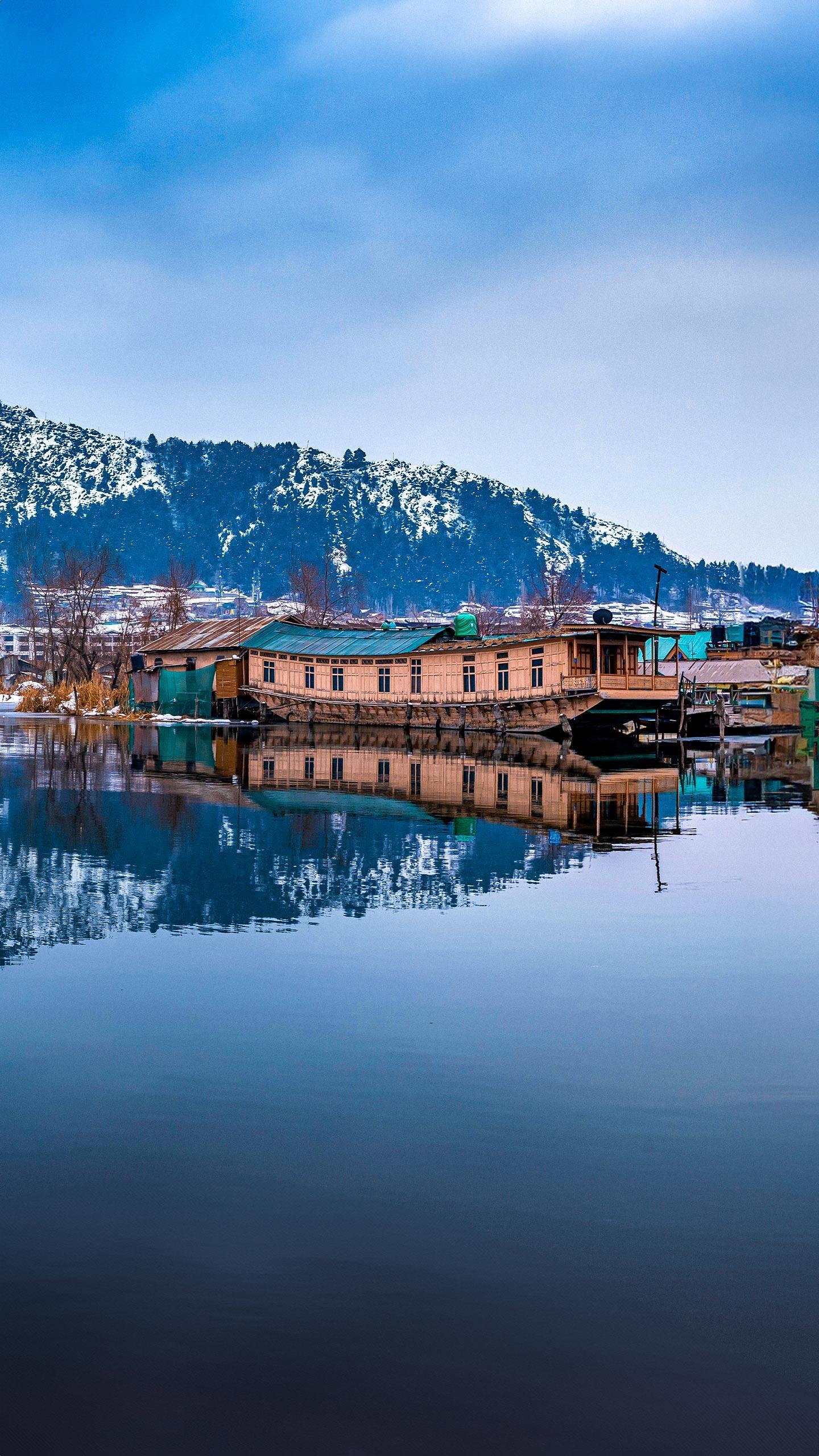
livelihoods. In its budget for the fiscal year 2026-27, significant measures have been outlined to foster responsible tourism practices, bolster pilgrimage facilities, and safeguard the region's rich cultural heritage. This strategic approach aims to build a resilient and flourishing tourism economy that benefits all stakeholders. Despite facing considerable challenges, including past security incidents and natural adversities, the region demonstrated remarkable resilience by welcoming over 1.61 crore tourists in 2025. This impressive figure underscores the enduring appeal of Jammu and Kashmir as a destination and the sustained confidence of travelers in its safety and offerings, paving the way for continued growth and development in the coming years.
Amarnath Yatra Infrastructure Boost
Ensuring the safety and comfort of pilgrims undertaking the sacred journey to the Shri Amarnath Ji shrine remains a paramount concern for the administration. During the 2025-26 period, more than 200 crucial infrastructure development works were successfully completed to support the annual pilgrimage. Looking ahead to 2026-27, a substantial outlay of Rs 180 crore has been proposed. This significant investment will be channeled towards further modernizing and upgrading the facilities available to pilgrims, fostering a more seamless and secure experience. The government is collaborating closely with the Border Roads Organisation on these extensive modernization efforts, leveraging their expertise to implement impactful infrastructure enhancements. This dedicated funding highlights the government's unwavering commitment to facilitating this important pilgrimage with the highest standards of care and convenience.
Diversifying Tourism Offerings
Jammu and Kashmir is actively pursuing a strategy of tourism diversification to attract a broader spectrum of visitors and extend the tourist season throughout the year. This includes a robust push into adventure tourism, with developments underway in winter sports and water sports. Specifically, exciting water sports facilities are being established at picturesque locations like Wullar-Manasbal and Bani-Basohli, promising new recreational opportunities. Furthermore, the region is embracing sports tourism as a significant growth area, highlighted by the successful organization of events such as the Kashmir Marathon and the Jammu Marathon. The recent second Kashmir Marathon in 2025, complete with an accompanying three-day expo, saw impressive participation with over 3,000 registrations from across 27 states and Union Territories, as well as international attendees from 11 countries. This event alone generated substantial revenue, with Rs 2.11 crore secured through sponsorships and an additional Rs 0.20 crore from registration fees, showcasing the economic potential of sports-related tourism initiatives.
Cultural Promotion & Digital Reach
To celebrate and promote its rich cultural tapestry, Jammu and Kashmir is set to host an international film festival during 2026-27 in collaboration with the National Film Development Corporation. This initiative aims to showcase the region's diverse cultural heritage and provide a platform for cinematic exchange, while also stimulating the local economy. Enhancing the visitor experience, the JK Tourism mobile app has been launched, offering a crucial resource for tourists. This app provides verified, real-time information about destinations, integrated booking services for accommodations and activities, and AI-based assistance to help visitors navigate their trips effectively. Additionally, the government has bolstered its accommodation infrastructure through a successful homestay policy, which has been instrumental in addressing lodging shortages. The Kashmir division now boasts over 1,600 registered homestays, with the Jammu division having more than 300, supported by accessible financial assistance from J&K Bank, further integrating local communities into the tourism ecosystem.
Empowering Youth & Heritage Revival
A core component of the government's strategy for inclusive growth is the focus on skill development and entrepreneurship within the youth demographic. To this end, a dedicated skill mission is being established. This mission will be instrumental in equipping young individuals with industry-relevant technical skills, facilitating valuable internships, and providing opportunities for on-the-job training. The combined allocation for the tourism and youth affairs sectors under capital expenditure for 2026-27 is Rs 472 crore, marking a notable increase of Rs 61 crore compared to the revised allocation in 2025-26. Concurrently, the government is prioritizing the preservation and promotion of its invaluable heritage assets. Significant provisions have been made to ensure the completion of ongoing projects under Phase-I of the Heritage Revival, Restoration and Maintenance Scheme, and to expedite projects slated for subsequent phases. The budget also earmarks funds for the restoration of the historic Mughal-era Nishat Garden in Srinagar, the modernization of the SPS Museum, the enhancement of the public library network, and the establishment of new cultural centers across several districts, including Bandipora, Shopian, Anantnag, Kishtwar, Udhampur, Poonch, and Budgam.