





Serene Palette Unveiled
Emraan Hashmi's residence in Bandra, a prime Mumbai location, is a testament to the power of understated elegance and intentional living. Valued at approximately
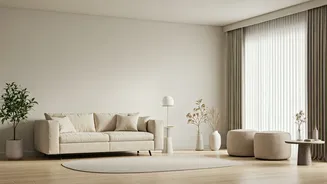
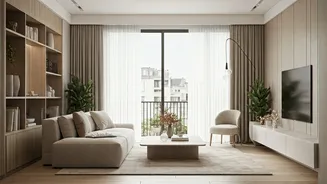
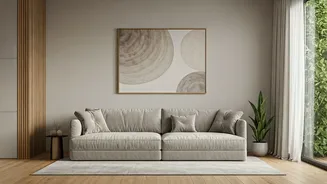
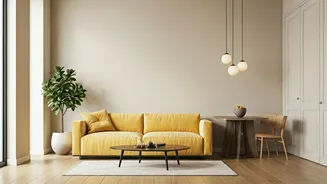
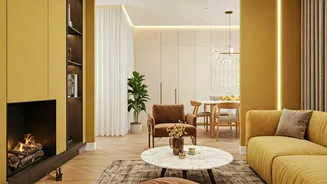
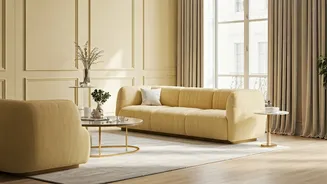
Rs 16 crore, this home, shared with his wife Parveen Shahani Hashmi and son Ayaan, embraces a minimalist design philosophy. The interior is a study in tranquility, dominated by a sophisticated colour scheme featuring whites, beiges, and earthy browns. This deliberate choice of neutral tones creates a calming ambiance, reducing visual clutter and promoting a sense of peace. Complementing the serene palette, the apartment is furnished with modern, comfortable wooden pieces that blend seamlessly with the decor. Accent elements and tasteful chandeliers are strategically placed, adding character and a touch of luxury without overpowering the minimalist aesthetic. The design emphasizes a harmonious balance, ensuring the space feels both inviting and uncluttered, reflecting a lifestyle that prioritizes calm and intentionality.
Functionality Meets Comfort
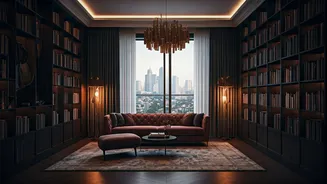
Beyond its aesthetic appeal, Emraan Hashmi's Bandra apartment is designed with practical living in mind, demonstrating a thoughtful integration of personal interests and well-being. The dwelling features functional spaces tailored to specific needs, including a dedicated area for physical fitness, suggesting a commitment to maintaining an active lifestyle. Furthermore, the presence of an extensive library highlights a passion for intellectual pursuits and lifelong learning, providing a sanctuary for reading and reflection. These distinct areas, a gym and a library, underscore the apartment's role as a multifaceted retreat that supports both physical health and mental stimulation. Such intentional spatial planning ensures that the home caters to various aspects of life, fostering a sense of completeness and purpose for its inhabitants, seamlessly blending luxury with practical life.
Balcony's City Vistas
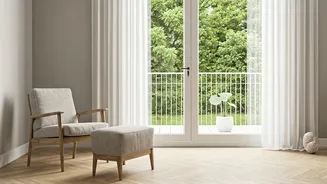
A significant feature of Emraan Hashmi's home is its expansive balcony, which offers breathtaking panoramic views of the sprawling city. This outdoor extension of the living space is crucial in enhancing the sense of openness and connection to the external environment, especially within a bustling urban setting. The balcony provides a visual escape, allowing residents to observe the city's dynamism from a peaceful vantage point. This access to expansive views acts as a psychological counterbalance to the density of urban living, offering moments of respite and perspective. It’s more than just an aesthetic addition; it’s an integral part of the apartment’s design that contributes to a feeling of spaciousness and freedom, promoting relaxation and a broader outlook on life, reinforcing the home's role as a sanctuary.
Psychology of Neutrals
The choice of a neutral colour palette, such as whites, beiges, and browns, plays a significant role in shaping the psychological atmosphere of a living space, according to experts. These tones are inherently low in visual complexity, which helps reduce the sensory load on the brain, allowing the nervous system to transition into a more relaxed state. Whites and off-whites, in particular, are often associated with openness and mental clarity, creating a sense of spaciousness. However, it's important to balance starkness to avoid a sterile feel. Warm beiges and browns evoke feelings of safety, stability, and familiarity, drawing parallels to natural elements, which can effectively lower stress hormones like cortisol. This muted backdrop allows residents to personalize their environment without feeling overwhelmed, fostering emotional regulation, improving concentration, and establishing a steady, predictable ambiance conducive to overall well-being and a grounded feeling.
Nature's Mental Boost
Access to open spaces and natural views has a profound impact on mental well-being, especially in densely populated urban areas prone to sensory overload. Environmental psychology suggests that exposure to nature, even visually, can shift the brain from demanding directed attention to a more restorative, effortless state, thereby combating cognitive fatigue and enhancing focus. These visually expansive areas, like large balconies or gardens, can alleviate feelings of confinement often associated with city living. Furthermore, natural light and greenery are known to positively influence mood by regulating circadian rhythms and boosting serotonin levels. Even passive interaction with nature can lead to physiological benefits, such as reduced heart rate and cortisol levels, promoting a sense of calm. Ultimately, such connections to the outdoors build emotional resilience and reduce stress, offering crucial moments of escape and grounding.