




Understanding the Chaos
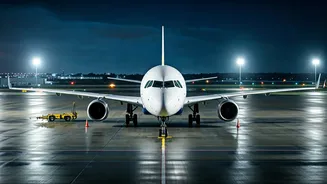
Europe's skies are set to be turbulent this summer, with a surge in flight cancellations and lengthy delays anticipated. This widespread disruption has
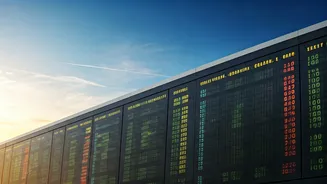
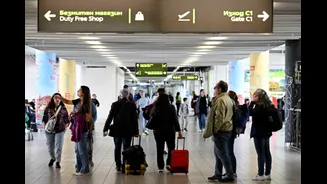
already impacted major airlines and left thousands of passengers stranded across popular European cities. The primary drivers behind this airline turmoil are a complex interplay of factors. Labour disputes involving pilots, cabin crew, baggage handlers, and air traffic controllers have led to numerous strikes, significantly impacting flight schedules. Adding to this, severe staff shortages at airports and airlines mean that even when flights are scheduled, the capacity to manage passenger flow is strained. Furthermore, issues with air traffic control systems, particularly in countries like Germany and Spain, contribute to bottlenecks and delays. The combination of these operational challenges creates a challenging environment for both airlines and travellers seeking to enjoy their summer vacations.
Infrastructure & Weather Woes
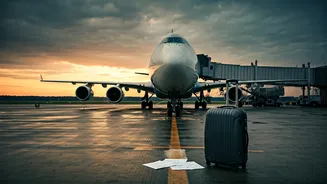
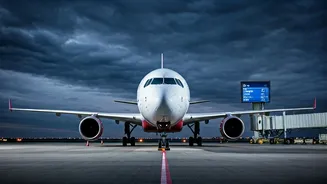
Beyond human-induced disruptions, Europe's aviation infrastructure is also playing a role in the summer's flight chaos. Many air traffic control systems are ageing, making them less efficient and more susceptible to weather-related issues. This outdated network struggles to cope with the increasing volume of air traffic, leading to weather-related delays that are becoming more frequent. For budget carriers like Ryanair and Vueling, which operate on very tight schedules with minimal buffer time, these weather-induced delays can have a cascading effect, causing significant disruptions to their entire flight plans. Compounding these problems are extreme weather events. Countries such as Portugal, Spain, and Germany have already experienced severe storms this year, resulting in flooding, transport shutdowns, and airport closures, which invariably impacts flight operations and tourism.
Rising Costs & New Systems
Airlines operating in Europe are also grappling with a significant increase in operational costs, which further contributes to the travel challenges. The price of fuel has seen a substantial rise, alongside elevated airport taxes and security charges. These escalating expenses put pressure on airline budgets, potentially influencing flight schedules and pricing. For Indian travellers planning trips to Europe, these factors translate into a need for vigilance. It's crucial to regularly monitor airline applications for any updates regarding flight status, especially when flying with low-cost carriers known for their tight schedules. Additionally, travellers must remain aware of weather forecasts and potential impacts on travel plans. A new biometric border control system, the Entry/Exit System (EES), is also being rolled out across the Schengen Area. This system, while aimed at enhancing security, can lead to longer processing times at airports, potentially causing further delays for passengers, including those from India.