





Weather's Health Impact
The transition from intense heat, sometimes reaching 45°C, to sudden, heavy summer rains and even hailstorms, while initially welcome, can significantly
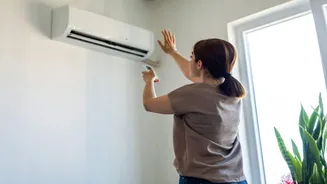
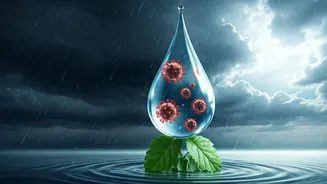
impact our well-being. These abrupt meteorological changes, involving shifts in temperature, humidity, and air quality, create an environment ripe for the proliferation of infections, allergies, and common seasonal illnesses. Our bodies require time to adapt to these environmental fluctuations. When the immune system is stressed by extreme heat and then suddenly exposed to cooler, damper conditions, its effectiveness can be compromised, making us more susceptible to pathogens and airborne irritants. This delicate balance is easily disrupted by the atmospheric turmoil that accompanies unexpected monsoon showers.
Common Ailments Explained
The human body's struggle to adjust to rapid weather changes makes it vulnerable to various health issues. A sudden plunge in temperature can temporarily dampen immune responses, allowing viruses to take hold and manifest as common colds, sore throats, and mild fevers. Concurrently, the increased humidity and dampness provide fertile ground for bacteria and allergens. Rainfall, especially after dry spells, stirs up dust and pollen, triggering allergic reactions and exacerbating pre-existing respiratory conditions like asthma. Furthermore, contaminated food and water, a risk amplified by poor hygiene during the rainy season, can lead to digestive distress, including food poisoning and diarrhoea. Damp environments also foster fungal and bacterial growth on the skin, resulting in rashes and infections, while stagnant water post-rain becomes a breeding haven for mosquitoes, increasing the risk of vector-borne diseases such as dengue and malaria.
Vulnerable Groups & Precautions
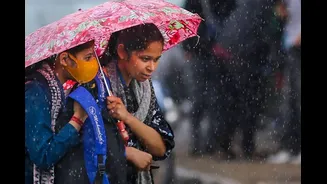
Certain demographics are inherently more susceptible to the health hazards posed by sudden weather shifts. Young children and the elderly, whose immune systems may be less robust, require extra attention. Individuals with chronic respiratory conditions like asthma and those with compromised immune systems or ongoing illnesses are also at higher risk of experiencing flare-ups or complications. Even those recovering from heat-related ailments might face fatigue and dehydration due to the abrupt temperature change. To mitigate these risks, maintaining hydration is crucial, even as the weather cools, to aid recovery from heat exposure. Avoiding prolonged exposure to dampness and wet clothing is essential to prevent chilling and infection. Prioritizing freshly prepared, home-cooked meals and maintaining rigorous personal hygiene, including frequent handwashing, are vital steps. Additionally, proactive mosquito control measures by eliminating stagnant water sources and using repellents are important to ward off vector-borne diseases. Carrying protective gear like an umbrella or light jacket can shield against sudden rain and temperature drops.